








Aging is a universal experience, yet its manifestations—graying hair, thinning skin, and the gradual clouding of memory—have long been viewed as an inevitable trajectory. For centuries, the biological decline associated with the passage of time was considered a one-way street. However, a groundbreaking collaborative study involving researchers from Xi’an Jiaotong-Liverpool University, Stanford University, Shanghai Jiao Tong University, and the University of the Chinese Academy of Sciences has challenged this paradigm. By examining the impact of dietary supplements derived from a curious marine organism, scientists have uncovered evidence that some markers of aging may not only be slowed but potentially reversed.
At the center of this research is the sea squirt, or Ascidiacea. While these marine animals may appear unremarkable to the casual observer, they are considered a delicacy in various parts of Asia. Known as meongge in Korea and hoya in Japan, these creatures are often consumed raw, and they contain high concentrations of a unique class of lipids known as plasmalogens. This discovery has provided a new focal point for researchers seeking to understand how the human body maintains cognitive integrity as it ages.
An Unusual Source of Anti-Aging Compounds
Plasmalogens are specialized fat molecules that serve as essential building blocks for cell membranes. They are pervasive throughout the human body, serving as critical components in the brain, heart, and the cells of the immune system. Crucially, scientific observation has long confirmed that plasmalogen levels naturally wane as individuals grow older. Perhaps more concerning is the correlation between low levels of these lipids and the progression of severe neurodegenerative conditions, including Alzheimer’s and Parkinson’s disease.
This established link between dwindling plasmalogen levels and cognitive impairment provided the catalyst for the research team’s inquiry. The hypothesis was straightforward: if the depletion of these molecules is associated with brain decay, could the deliberate replenishment of plasmalogens through dietary supplementation act as a shield—or even a restorative agent—against the ravages of time? To test this, the scientists initiated a series of experiments using aged mice, carefully monitoring both their behavioral output and physiological changes following a course of plasmalogen-rich supplementation.
The results were, by any measure, striking. The mice subjected to the treatment regimen demonstrated marked improvements in cognitive performance. Beyond the neurological metrics, the researchers observed visible physical transformations that were entirely unexpected, signaling that the effects of the supplement were systemic rather than localized.
Professor Lei Fu, the corresponding author of the study, emphasized the significance of these findings. "Our research suggests that plasmalogens may not just stop cognitive decline, but may reverse cognitive impairments in the aging brain," Fu stated. "Additionally, aged mice fed with the plasmalogens grow new black hair that is thicker and glossier than aged mice not fed the supplement." This dual impact on cognitive function and physical appearance suggests that the influence of plasmalogens extends far beyond simple cellular maintenance, potentially tapping into fundamental biological processes of rejuvenation.
Aging Mice Show Improved Memory
To quantify the cognitive impact of the supplements, the research team utilized the Morris water maze, a standard psychological test designed to assess spatial learning and memory in rodents. In this environment, mice are placed in a water-filled basin featuring a hidden platform submerged just below the surface. Mice have an innate drive to escape the water, and through repeated trials, they learn the location of the platform to reach safety.
In a healthy, younger animal, this learning process is efficient; once the location is learned, the mouse will swim directly to the platform with minimal hesitation. Conversely, older mice typically display the classic signs of cognitive aging, exhibiting difficulty in memory retention and slower navigation, often wandering the maze for extended periods before locating the platform.
The disparity between the treated and untreated groups was profound. After five days of consistent training, the aged mice that had received the plasmalogen supplements began to mimic the behavior of much younger subjects. They identified the platform’s location with significantly greater speed and precision than their untreated counterparts. When the researchers moved from behavioral observation to direct examination of the brain tissue, they uncovered the physical evidence to support these improvements: the treated mice exhibited a higher density of synapses, which appeared to be in a significantly healthier state than those found in the control group.
Synapses, the microscopic junctions that allow nerve cells to transmit signals, are the bedrock of cognitive function. They are the pathways through which the brain processes information, forms memories, and executes complex tasks. The structural integrity of these junctions is paramount, and their deterioration is a hallmark of the aging brain.
Restoring Connections in the Aging Brain
During the early stages of life, the brain is characterized by a high degree of neural plasticity—the ability to rewire itself and form new, efficient connections in response to new experiences. This flexibility is what allows the brain to acquire new skills and retain vast amounts of information. As organisms age, however, this plasticity naturally diminishes. Synapses become fewer in number and less efficient, leading to the cognitive "fog" that often accompanies the later years of life.
The experiment demonstrated that dietary plasmalogens could act as a buffer against this decline. Aged mice receiving the supplement showed an enhanced ability to form new neural connections compared to those maintained on a standard diet. Furthermore, the research team identified a secondary, yet equally vital, benefit: a significant reduction in neuroinflammation.
Inflammation is a necessary component of the immune system’s defense mechanism. However, when the aging brain experiences chronic or unregulated inflammation, it becomes destructive. This persistent immune response can damage delicate nerve cells and disrupt the orderly transmission of signals across synapses. Because chronic inflammation is widely recognized as a contributor to neurodegenerative diseases, the ability of plasmalogens to modulate this immune response offers a compelling explanation for the observed improvements in the treated mice’s memory and learning capabilities.
How Plasmalogens Might Work
While the results are compelling, the exact biological mechanisms by which plasmalogens facilitate these improvements remain a subject of ongoing investigation. Professor Fu and his colleagues have proposed several pathways through which these lipids might influence the brain.
One primary theory centers on neuroregeneration. "We found that plasmalogens significantly increase the number of molecules that aid the growth and development of neurons and synapses in the brain," Professor Fu explained. "This suggests that plasmalogens can promote neuroregeneration." If these lipids do indeed support the repair and renewal of neural circuitry, it would represent a significant leap forward in understanding how to maintain brain health.
Additionally, the research suggests that plasmalogens may directly modify the physical properties of synapses. By potentially increasing the fluidity and flexibility of synaptic membranes, the supplements may improve the efficiency of neurotransmission. A more flexible membrane allows for more effective communication between neurons, directly translating to the improved cognitive performance observed in the water maze tests.
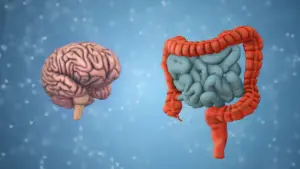
Furthermore, the researchers have turned their attention to the gut-brain axis—the intricate, two-way communication network connecting the digestive system and the brain. "Some studies have shown that dietary plasmalogens affect the microorganisms in the gut," Professor Fu noted. "It has been widely reported that the connection between the organisms in our gut and our brain influences neurodegeneration. It may be the plasmalogen’s effect on this connection that causes the improvements in learning and memory seen in this study." By altering the composition of the gut microbiome, plasmalogens may influence systemic inflammation and metabolic signals that ultimately protect the brain from decay.
Could Plasmalogens Eventually Help People?
The implications of this research are substantial, and the scientific community is taking note. Professor Fu is so convinced of the potential benefits that he has incorporated plasmalogen supplementation into his own daily health regimen. He views the findings as a potential turning point in how we approach the treatment of cognitive decline.
"For the first time, we show that plasmalogen supplements might be a potential intervention strategy for halting neurodegeneration and promoting neuroregeneration," he remarked. "The oral intake of plasmalogens could be a feasible therapeutic strategy to improve cognitive function in older people."
Despite the enthusiasm surrounding these findings, researchers are quick to urge caution. The study was conducted using an animal model, and biological processes in mice do not always translate perfectly to human physiology. Before any definitive claims can be made regarding the impact on human aging, extensive clinical trials are required. Scientists must determine the appropriate dosages for humans, ensure the long-term safety of supplementation, and confirm that the observed cognitive benefits are reproducible in a human population.
Nevertheless, the study opens a new frontier in gerontology and neuroscience. By identifying a naturally occurring compound in a common food source that can influence the structural integrity of the brain, researchers have gained a valuable tool. Whether this discovery will lead to a new generation of treatments for age-related cognitive decline remains to be seen, but it provides a compelling new angle for those searching for ways to preserve the vitality of the human mind as the years advance. The research serves as a reminder that the answers to some of our most complex biological questions may be hidden in the most unexpected corners of the natural world.