








Scientists at the University of Rochester Medicine have unveiled a compelling new frontier in stroke rehabilitation, discovering that strengthening the body’s natural daily rhythms to improve sleep may significantly bolster the brain’s ability to recover from injury. This research offers a promising, potentially transformative approach to supporting the brain’s waste-clearance systems and enhancing long-term recovery outcomes well beyond the critical, early-window period that follows a stroke.
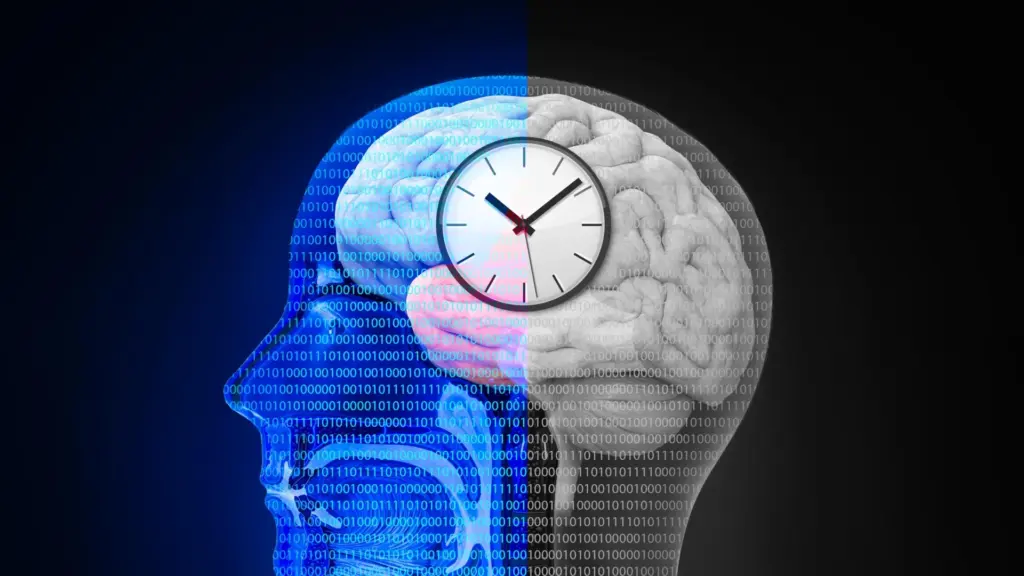
The study, recently published in the Journal of Clinical Investigation, demonstrates that interventions specifically designed to reinforce circadian rhythms—the body’s internal 24-hour biological clock—resulted in improved functional recovery in mouse models of stroke. These physiological improvements were directly correlated with heightened activity in the glymphatic system, the brain’s specialized waste-clearing network, alongside a marked reduction in the persistent inflammatory molecules that often plague the brain during the post-stroke recovery phase.
Understanding the Brain’s Waste Management
The groundbreaking findings build upon more than a decade of dedicated research led by University of Rochester neuroscientist Maiken Nedergaard, MD, DMSc. It was her laboratory that first identified the existence of the glymphatic system in 2012, a discovery that fundamentally changed the scientific understanding of how the brain maintains its own environment.
The glymphatic system acts as a sophisticated drainage network, utilizing cerebrospinal fluid to circulate through the brain tissue. In this process, the fluid effectively "washes" the brain, carrying away waste products, toxic proteins, and other metabolic debris that accumulate during normal waking hours. Subsequent research has consistently shown that glymphatic activity is most robust during sleep, underscoring the critical necessity of rest for maintaining long-term brain health.
Building on this, neuroscientist Lauren Hablitz, PhD, expanded the scope of this research to show that the glymphatic system is not merely responsive to sleep, but is also fundamentally governed by circadian rhythms. In a landmark 2020 study, Hablitz, Nedergaard, and their colleagues demonstrated that the glymphatic function operates on a daily, rhythmic cycle that persists even independently of sleep patterns. This finding established a definitive, mechanistic link between circadian biology and the brain’s waste-clearing machinery, suggesting that the timing of these biological processes is just as important as the state of sleep itself.
Stroke as a Disorder of Timing
For the medical community, the new study reframes the nature of the stroke recovery process. "The discussion of stroke recovery really starts with the idea that stroke is not just a vascular event, but also a disorder of timing," explained Hablitz, who served as the lead author of the new research.
The timing of strokes has long been a subject of clinical interest. Epidemiological data has established that strokes are not randomly distributed; they occur more frequently in the early morning hours and are often observed to be more severe when they occur near the end of the sleep cycle. Furthermore, many stroke survivors suffer from persistent disruptions to their sleep-wake cycles following their injury. These disturbances have long been associated with poorer rehabilitation outcomes, an increased risk of depression, and a significantly reduced overall quality of life.
These observations prompted the research team to investigate a critical question: if the biological timing mechanisms are compromised following a stroke, could the deliberate reinforcement of the internal clock serve as a viable therapeutic strategy to jumpstart the recovery process?
The Failure of the Cleanup System
In a healthy, functioning brain, the glymphatic system maintains a delicate balance, carrying cerebrospinal fluid along the architecture of blood vessels and through the interstitial spaces of brain tissue. This constant flow ensures that the brain is supplied with essential nutrients while simultaneously flushing out inflammatory signaling molecules and metabolic waste.
Previous studies have clearly documented that glymphatic function becomes significantly impaired after a stroke. This disruption creates a bottleneck; the brain loses its capacity to efficiently clear out harmful molecules that accumulate as a direct result of the injury. Traditionally, stroke research has been heavily focused on identifying ways to suppress "harmful" inflammation while protecting "beneficial" inflammation. However, Hablitz and her colleagues suggest that the scientific community may have been overlooking a vital component of the pathology: the failure of the brain’s "janitorial" services.
"We think part of the problem may be a failure of cleaning," Hablitz noted. "If the system responsible for clearing signaling molecules isn’t working properly, everything builds up." Under this model, the stroke does not just damage the brain tissue itself; it also compromises the very pathways responsible for removing the chemical signals of that damage. As these molecules accumulate, they create a toxic environment that perpetuates ongoing damage and slows down the brain’s natural regenerative processes.
Resetting the Body Clock
To test the hypothesis that stronger circadian rhythms could catalyze recovery, the research team employed several interventions known to influence the internal biological clock. Their toolkit included timed light exposure, the administration of melatonin, the use of a specialized clock-targeting drug known as KL001, and the implementation of time-restricted feeding protocols.
Initially, the researchers confirmed that each of these interventions successfully improved glymphatic function in healthy subjects. Encouraged by these results, they moved to test the most promising strategies—specifically KL001 and time-restricted feeding—in mouse models of stroke. A critical aspect of this experiment was the timing of the treatment: it was deliberately withheld until three days after the stroke occurred. This delay was intentional, placing the intervention far outside the narrow, high-pressure window required for administering clot-busting drugs and other acute, life-saving therapies.
The results were striking. Even with the delayed start, the mice that received either the pharmacological or behavioral interventions exhibited superior motor recovery, smaller brain lesion volumes, enhanced glymphatic flow, and significantly lower concentrations of inflammatory cytokines in the brain. "All of the cytokines moved in the same direction," Hablitz said, highlighting the consistency of the findings. "That suggests we may not be targeting one specific inflammatory pathway. Instead, we may be helping the brain clear inflammatory signals more effectively."
A Strategy with Clinical Potential
The success of time-restricted feeding is particularly notable for its potential ease of application in human patients. As a behavioral intervention that is already the subject of extensive study for its roles in managing obesity, diabetes, and cardiovascular disease, it offers a non-invasive path forward.
"One of the exciting aspects of this work is that we’re studying interventions that could potentially be implemented not only in hospitals but also at home," Hablitz stated. The possibility that recovery could be supported through lifestyle adjustments—rather than exclusively through complex medical procedures—makes these findings particularly relevant for long-term stroke rehabilitation strategies.
Future Directions in Neuroscience
While these results are promising, the researchers remain cautious, emphasizing that the findings are currently limited to animal models. The road ahead involves rigorous investigation to determine the exact mechanics of how circadian rhythms, glymphatic function, and inflammation interact in the aftermath of a human stroke. Future studies will be tasked with determining whether improved glymphatic flow is a direct cause of better recovery and, eventually, whether these circadian-based interventions can be safely and effectively transitioned into clinical trials.
This study stands as a testament to the evolving perspective in modern neuroscience, which increasingly views sleep, circadian rhythms, and the fluid dynamics of the brain as the cornerstones of neurological health. By unlocking the ways in which the brain’s internal clock regulates the glymphatic system, researchers hope to uncover a new class of therapies that do more than just manage symptoms—they aim to restore the brain’s innate capacity for self-repair.
"Understanding how circadian regulation shapes glymphatic clearance will help us develop more targeted therapies," Hablitz concluded. "Ultimately, our goal is to find ways to improve the brain’s ability to clear waste, reduce inflammation, and recover after injury." Through this research, the future of stroke care may lie not in new, exotic drugs, but in the restoration of the rhythmic, natural processes that govern the brain’s daily life.