






BREAKING NEWS
Applied Behavior Analysis Psychedelic Insight: Psilocybin Found to Selectively Mute Aggression in Mangrove Rivulus Fish 5 hours ago Child Development Youth-Associated Protein TIMP2 Found to Rejuvenate Aging Brain Immune Cells 5 hours ago Occupational Therapy The Silent Architects of Quality: Why Occupational Therapy is the Healthcare Team’s Ultimate Difference Maker 5 hours ago Speech and Language Therapy Speech and Language Kids Announces Expansion of Structured Curriculum to Transform SLP Workflows 5 hours ago Early Intervention Understanding Toddler Tantrums: Why Meltdowns Are a Crucial Part of Early Development 5 hours ago Assistive Technology Digital Inclusion Shift: Public Institutions Prepare for the 2026 ADA Title II Compliance Deadline 5 hours ago Sensory Processing Occupational Therapists Highlight Top Vision Books and Resources to Support Visual Processing and Academic Skills 5 hours ago Neurodiversity Rewriting the Autistic Relationship Manual: Cultural Metamorphosis and Ecologies of Care at Human Scale 5 hours ago Applied Behavior Analysis Psychedelic Insight: Psilocybin Found to Selectively Mute Aggression in Mangrove Rivulus Fish 5 hours ago Child Development Youth-Associated Protein TIMP2 Found to Rejuvenate Aging Brain Immune Cells 5 hours ago Occupational Therapy The Silent Architects of Quality: Why Occupational Therapy is the Healthcare Team’s Ultimate Difference Maker 5 hours ago Speech and Language Therapy Speech and Language Kids Announces Expansion of Structured Curriculum to Transform SLP Workflows 5 hours ago Early Intervention Understanding Toddler Tantrums: Why Meltdowns Are a Crucial Part of Early Development 5 hours ago Assistive Technology Digital Inclusion Shift: Public Institutions Prepare for the 2026 ADA Title II Compliance Deadline 5 hours ago Sensory Processing Occupational Therapists Highlight Top Vision Books and Resources to Support Visual Processing and Academic Skills 5 hours ago Neurodiversity Rewriting the Autistic Relationship Manual: Cultural Metamorphosis and Ecologies of Care at Human Scale 5 hours ago
Stories
Psychedelic Insight: Psilocybin Found to Selectively Mute Aggression in Mangrove Rivulus Fish
Youth-Associated Protein TIMP2 Found to Rejuvenate Aging Brain Immune Cells
The Silent Architects of Quality: Why Occupational Therapy is the Healthcare Team’s Ultimate Difference Maker
Speech and Language Kids Announces Expansion of Structured Curriculum to Transform SLP Workflows
Understanding Toddler Tantrums: Why Meltdowns Are a Crucial Part of Early Development
Digital Inclusion Shift: Public Institutions Prepare for the 2026 ADA Title II Compliance Deadline
Occupational Therapists Highlight Top Vision Books and Resources to Support Visual Processing and Academic Skills
Rewriting the Autistic Relationship Manual: Cultural Metamorphosis and Ecologies of Care at Human Scale
The Aftermath of Cumulative Loss: Navigating Grief, Busyness, and the Duality of Survival
WHO and Switzerland Cement Long-Term Partnership with Renewal of Country Cooperation Strategy for 2024–2028

Tag: suggests

10 posts

Standard

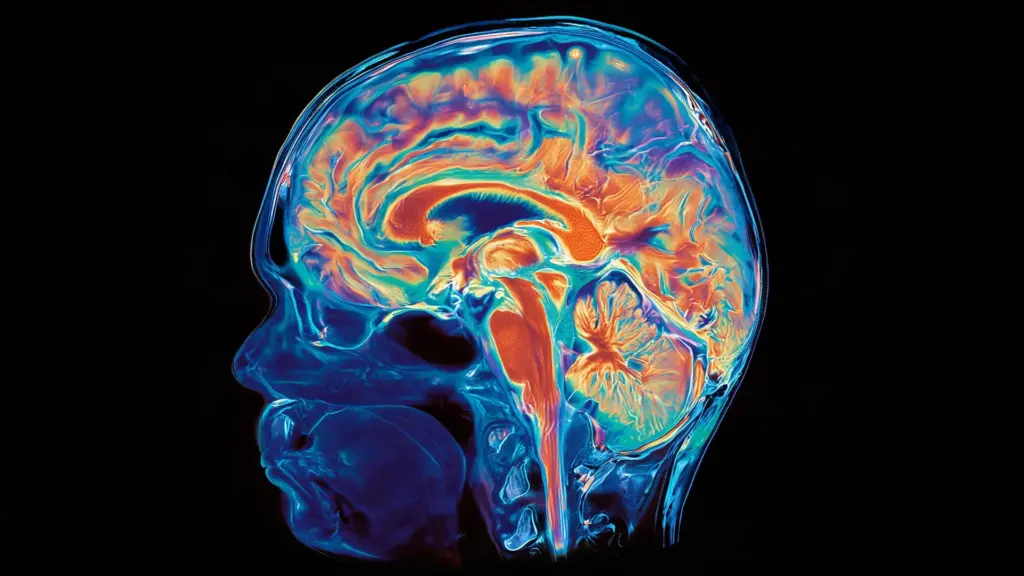
New Evidence Suggests Amyloid Clearance May Curb Tau Tangles and Slow Alzheimer’s Progression

A groundbreaking, high-resolution examination of a human brain has provided what researchers are calling some of the most compelling evidence to date that clearing amyloid plaques—a hallmark of Alzheimer’s disease—may offer a downstream protective effect against the protein tangles that drive cognitive decline. The study, presented at the 2026 Alzheimer’s Association International Conference and published…
Read more
Standard

New Evidence Suggests Amyloid Removal May Halt Alzheimer’s Progression by Blocking Tau Accumulation

An unusually detailed examination of a brain donated by a former Alzheimer’s disease clinical trial participant has provided scientists with what may be the most compelling evidence to date that clearing amyloid plaques can help protect the brain from the secondary, more destructive stages of the disease. The study, presented at the 2026 Alzheimer’s Association…

Read more
Standard

New Research Suggests Caffeine’s Performance Benefits Last Significantly Longer Than Previously Thought

Caffeine remains the most ubiquitous psychoactive substance in the global landscape. It is embedded in the fabric of daily life, fueling morning commutes through coffee, providing a midday boost via tea, and serving as a cornerstone of the multi-billion-dollar sports supplement industry. Despite its status as a staple, however, many athletes and fitness enthusiasts remain…

Read more
Standard

Resetting the Internal Clock: New Research Suggests Circadian Rhythms May Hold the Key to Stroke Recovery

Scientists at the University of Rochester Medicine have unveiled a compelling new frontier in stroke rehabilitation, discovering that strengthening the body’s natural daily rhythms to improve sleep may significantly bolster the brain’s ability to recover from injury. This research offers a promising, potentially transformative approach to supporting the brain’s waste-clearance systems and enhancing long-term recovery…

Read more
Standard

Landmark Study Suggests Phelan-McDermid Syndrome Prevalence Significantly Underestimated

New research conducted by a team of scientists at the Seaver Autism Center for Research and Treatment at Mount Sinai has revealed that Phelan-McDermid syndrome (PMS)—a complex genetic condition often associated with autism spectrum disorder—is likely far more common than previous clinical estimates had suggested. The findings, which were recently published in the journal Autism…

Read more
Standard

Beyond Noise: New Research Suggests Traveling Brain Waves Function as a Computational Engine for Perception

Your brain and the ocean share a feature that is as fundamental as it is unexpected: waves. While the rhythmic undulations of the sea are visible to the naked eye, a similar, more subtle phenomenon occurs within the grey matter of the human brain. Electrical activity, flickering across the brain’s surface, creates patterns known as…

Read more
Standard

Resetting the Internal Clock: New Research Suggests Circadian Rhythms Could Unlock Stroke Recovery

Scientists at the University of Rochester Medicine have uncovered a promising new frontier in neurological recovery: the possibility that strengthening the body’s natural, daily rhythms could significantly improve brain health long after a stroke. By reinforcing the circadian clock, researchers believe they can jump-start the brain’s waste-clearing infrastructure, offering a potential lifeline to patients who…

Read more
Standard

New Research Suggests Public School Pre-K Provides Lasting Academic Edge Through High School

A landmark study conducted by researchers at Florida International University (FIU) and George Mason University has provided compelling new evidence regarding the long-term impact of early childhood education. The research, which tracked a massive cohort of 400,000 students in Miami-Dade County over two decades, concludes that children who attended public school pre-K programs consistently outperformed…

Read more