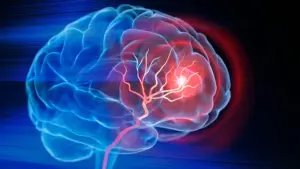








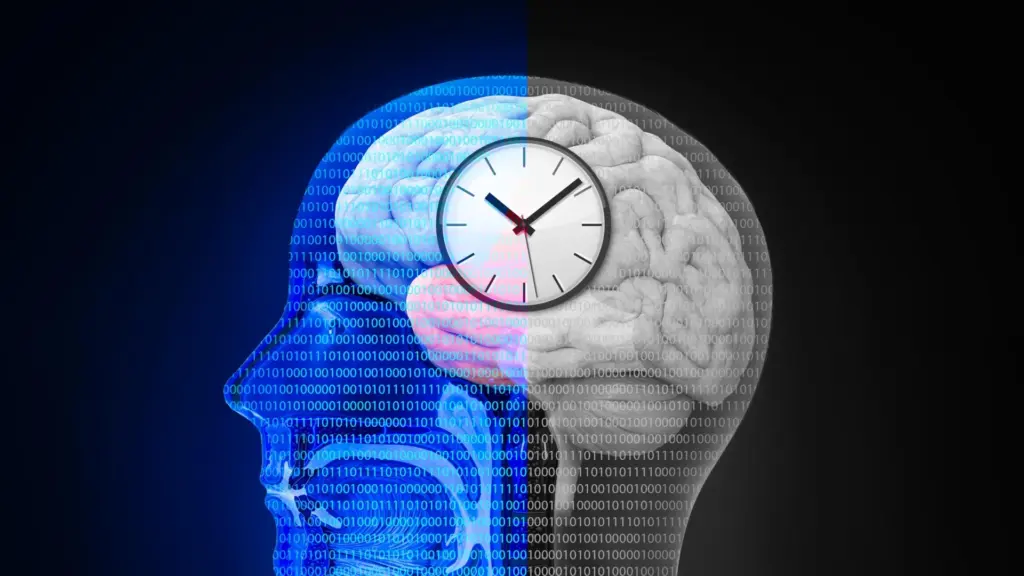
Scientists at the University of Rochester Medicine have uncovered a promising new frontier in neurological recovery: the possibility that strengthening the body’s natural, daily rhythms could significantly improve brain health long after a stroke. By reinforcing the circadian clock, researchers believe they can jump-start the brain’s waste-clearing infrastructure, offering a potential lifeline to patients who struggle with the lingering, debilitating effects of a brain injury.
The study, published in the Journal of Clinical Investigation, details how interventions designed to stabilize internal timing mechanisms led to marked recovery in mouse models of stroke. These improvements were not merely behavioral; they were rooted in a physiological boost to the glymphatic system—the brain’s complex waste-disposal network—and a subsequent reduction in the toxic inflammatory molecules that typically accumulate in the brain following an injury. This research challenges the traditional focus of stroke care, suggesting that the "timing" of biological systems may be just as critical as the physical damage to the tissue itself.
The Brain’s Hidden Sanitation System
The findings are the latest development in a decade of pioneering research led by neuroscientist Maiken Nedergaard, MD, DMSc, at the University of Rochester. In 2012, the Nedergaard laboratory famously identified the glymphatic system, a discovery that fundamentally changed how scientists understand brain health.
The glymphatic system functions as a sort of "plumbing" network, moving cerebrospinal fluid through the brain to flush out metabolic waste, proteins, and cellular debris. Subsequent research revealed that this system is not constant; it is highly dynamic, with activity levels surging significantly during sleep. This underscores why restorative sleep is essential for long-term cognitive health.
However, the complexity of this system grew even further when neuroscientist Lauren Hablitz, PhD, and her colleagues demonstrated that the glymphatic system is governed by more than just the sleep-wake cycle. In a landmark 2020 study, the team established that glymphatic function is inextricably linked to the body’s circadian rhythms—the internal, 24-hour clock that regulates everything from hormone production to body temperature. Even when sleep is removed from the equation, the brain’s waste-clearing system continues to follow a daily, rhythmic cycle, cementing the link between circadian biology and the brain’s ability to clean itself.
Stroke: A Disorder of Timing
The recent study, led by Dr. Hablitz, shifts the perspective on stroke from a strictly vascular emergency to a systemic disruption of the body’s internal clock. "The discussion of stroke recovery really starts with the idea that stroke is not just a vascular event, but also a disorder of timing," Hablitz explained.
This conceptual shift is supported by long-standing clinical observations. Medical professionals have noted for years that strokes appear to follow specific patterns, occurring with higher frequency in the morning hours and often presenting with greater severity when they happen toward the end of a sleep cycle. Furthermore, many survivors experience profound disruptions to their sleep-wake cycles following a stroke. These disturbances are well-documented to correlate with poor recovery trajectories, increased rates of depression, and a significant decline in overall quality of life.
These observations led the research team to a fundamental question: If the stroke-damaged brain is operating on a broken clock, could forced synchronization of that biological rhythm catalyze a more robust recovery?
Addressing the Failure of the Cleanup Crew
To understand the mechanics of the recovery process, one must first look at how the glymphatic system falters. In a healthy brain, the system facilitates the constant flow of cerebrospinal fluid along blood vessels, effectively shuttling nutrients to brain tissue while whisking away harmful metabolic byproducts and inflammatory signals.
However, previous studies have confirmed that stroke causes a significant impairment in this fluid flow. When the glymphatic system is compromised, it cannot effectively clear the inflammatory molecules that are released during the initial injury. In traditional stroke research, the primary goal has often been to distinguish between "good" and "bad" inflammation, typically focusing on suppressing the damaging, pro-inflammatory responses.
Hablitz and her team propose a different perspective: the problem may not just be the presence of inflammatory signals, but a failure of the brain’s sanitation system to remove them. "We think part of the problem may be a failure of cleaning," Hablitz noted. "If the system responsible for clearing signaling molecules isn’t working properly, everything builds up."
Under this model, a stroke causes a dual injury: the physical damage to the brain tissue itself and a systemic shutdown of the pathways responsible for clearing away the chemical aftermath. As inflammatory molecules accumulate, they create a toxic environment that promotes further damage, essentially stalling the recovery process.
Resetting the Clock to Foster Healing
To determine if strengthening circadian rhythms could reverse this trend, the research team tested several interventions known to influence the internal clock. These included strictly timed light exposure, the administration of melatonin, the use of a clock-targeting drug known as KL001, and time-restricted feeding protocols.
Initially, the researchers confirmed that each of these methods could successfully boost glymphatic function in healthy subjects. They then moved to the most promising strategies—KL001 and time-restricted feeding—to see if they could improve outcomes in mice that had suffered a stroke.
Crucially, the intervention was initiated three days after the stroke occurred. This is a vital detail, as it moves the treatment window well beyond the narrow timeframe required for clot-busting drugs and other acute, life-saving stroke interventions. Even with this delayed start, the mice that received the treatment demonstrated clear, measurable benefits. They exhibited improved motor skills, smaller lesion volumes, better glymphatic flow, and a significant reduction in inflammatory cytokines within the brain.
"All of the cytokines moved in the same direction," Hablitz said. "That suggests we may not be targeting one specific inflammatory pathway. Instead, we may be helping the brain clear inflammatory signals more effectively."
A Potential Shift in Rehabilitation
One of the most compelling aspects of the study is the success of time-restricted feeding. This behavioral intervention is already a subject of intense research for its potential impacts on conditions like obesity, diabetes, and cardiovascular disease. Because it does not require complex surgical procedures or expensive pharmaceuticals, it represents a potentially scalable, low-cost strategy for stroke rehabilitation.
"One of the exciting aspects of this work is that we’re studying interventions that could potentially be implemented not only in hospitals but also at home," Hablitz noted. The ability to support recovery outside of a specialized medical setting could fundamentally change the long-term outlook for many survivors.
The Road Ahead
While these findings are highly encouraging, the researchers remain cautious, noting that the results are currently limited to animal models. The next steps for the team will involve investigating the precise mechanisms by which circadian rhythms, glymphatic function, and inflammation interact in the aftermath of a stroke. Researchers also intend to determine whether improved glymphatic flow is the direct, primary driver of the observed recovery and whether these circadian-based interventions can eventually be safely translated into human clinical trials.
The study underscores a growing consensus in modern neuroscience: sleep, circadian biology, and fluid dynamics are central pillars of brain health. By unraveling how the brain’s internal clock regulates the glymphatic system, scientists hope to develop highly targeted, effective therapies that go beyond current limitations.
"Understanding how circadian regulation shapes glymphatic clearance will help us develop more targeted therapies," Hablitz concluded. "Ultimately, our goal is to find ways to improve the brain’s ability to clear waste, reduce inflammation, and recover after injury." As researchers continue to map the interplay between time, timing, and biological recovery, this work offers a glimpse into a future where the simple act of resetting a biological clock could be a cornerstone of healing the brain.