






By Cheryl Hall
October 25, 2026
As the calendar turns toward the final week of October, the global healthcare community is preparing to observe one of its most significant annual milestones: World Occupational Therapy Day. Observed annually on October 27, this day serves as both a celebration of the profession and a platform for advocacy, highlighting the critical role that occupational therapists (OTs) play in improving health outcomes and fostering independence for individuals across the lifespan.
The event, organized and promoted by the World Federation of Occupational Therapists (WFOT), is a moment for practitioners, educators, students, and patients to reflect on the impact of a discipline that sits at the intersection of medicine, psychology, and social participation. In 2026, the occasion takes on a renewed sense of purpose, underpinned by a theme that resonates deeply with the core tenets of the profession: "Participation Matters."

The WFOT, which functions as the authoritative global voice for the occupational therapy community, has once again taken the lead in coordinating the international celebration. Representing an expansive network of 117 national occupational therapy organizations, the federation acts as the unifying body for more than 680,000 practitioners worldwide. Beyond its role as a representative body, the WFOT maintains a robust influence on the global healthcare landscape by overseeing more than 1,100 approved education programs. These programs are essential to maintaining the high standards of practice and evidence-based care that define modern occupational therapy. By setting international benchmarks for education and promoting rigorous research, the federation ensures that the quality of care provided by OTs remains consistent, regardless of geographic or cultural boundaries.
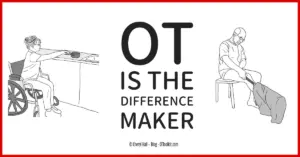
The 2026 theme, "Participation Matters," serves as a poignant reminder of the ultimate objective of occupational therapy. At its core, the profession is dedicated to enabling people to engage in the occupations—the everyday activities, routines, and roles—that fill their lives and give them meaning. Whether these activities involve the basic tasks of daily living, such as dressing and eating, or more complex social and vocational engagements, they are the building blocks of health, wellbeing, and quality of life.
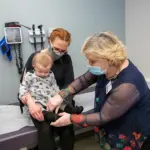
Occupational therapists often describe their work as a process of unlocking potential through participation. When a practitioner helps a patient regain the ability to perform a task, the benefit extends far beyond the physical accomplishment of that action. It creates a ripple effect, fostering a sense of agency, psychological resilience, and social inclusion. For an individual recovering from a stroke, learning to navigate a kitchen independently is not merely a motor skill; it is a restoration of their identity and their ability to remain a functioning member of their household. For a child with developmental delays, mastering a classroom activity is a bridge to social integration and long-term academic success. These individual victories are the lifeblood of the profession, and they are precisely what World OT Day seeks to highlight.
The focus on participation this year is particularly timely, as global health systems increasingly shift toward patient-centered care and the social determinants of health. Occupational therapy is uniquely positioned to address these priorities because it does not view health in isolation. Instead, it views health as a dynamic state that is influenced by how individuals interact with their environments and the roles they play within their communities. By emphasizing that participation is a fundamental human right, the 2026 campaign challenges stakeholders, policymakers, and the public to consider how environmental barriers—whether physical, social, or systemic—can prevent people from living full lives.
For those involved in the profession, the days leading up to October 27 are often marked by a sense of professional pride and community building. Across the globe, OTs are finding diverse ways to celebrate, from hosting educational workshops and public awareness seminars to sharing stories of patient success on digital platforms. These initiatives are vital for raising the profile of a profession that is sometimes misunderstood by the general public. While many people associate occupational therapy primarily with physical rehabilitation, the scope of practice is far broader, encompassing mental health, pediatrics, geriatric care, ergonomics, and community-based health promotion. World OT Day provides an essential platform to demystify these contributions and to showcase the versatility of the practitioners involved.
The World Federation of Occupational Therapists encourages all practitioners to utilize the resources provided on their official website to amplify the message of the day. By visiting the WFOT portal dedicated to World Occupational Therapy Day, professionals can access advocacy materials, graphics, and information designed to help them reach their local communities, legislators, and potential partners in care. These resources are designed to ensure that the celebration is not just a symbolic gesture, but a proactive effort to advocate for the expansion of OT services in underserved regions and to promote the integration of occupational therapy into broader public health strategies.
As the profession looks toward the future, the global network of 680,000 practitioners continues to grow in both numbers and influence. The 1,100 approved education programs currently in operation are training a new generation of therapists who are well-equipped to handle the complex health challenges of the 21st century, including the rising need for rehabilitative services for aging populations and the increasing focus on mental health support. This growth is testament to the enduring necessity of the profession; as long as humans have a need to participate in their daily lives, there will be a need for the specialized, compassionate, and holistic care that occupational therapists provide.
As we approach October 27, the emphasis remains on the transformative power of everyday activities. Whether it is through a clinical intervention, a policy change, or a public awareness campaign, every action taken on World OT Day contributes to a broader movement that prioritizes the dignity and independence of every individual. The success of the profession is measured in the small, meaningful moments of daily life—the ability to work, to play, to socialize, and to live with purpose.
For those looking to engage, the message is clear: participation is not just an outcome of health, but a catalyst for it. By fostering independence and supporting the fundamental roles that individuals hold in their families and communities, occupational therapists continue to serve as essential agents of change. As the community prepares for the upcoming celebrations, there is a shared sense of optimism about the future of the field and its capacity to enhance the quality of life for millions of people worldwide.
As the international community prepares to mark this day, the collective sentiment among practitioners remains one of dedication to the individuals they serve. The 2026 World OT Day is more than just an annual observation; it is a reaffirmation of the profession’s commitment to a world where everyone can participate in the activities that matter most to them. Whether through advocacy, education, or direct patient care, the work continues, bolstered by the knowledge that for their patients, and for the world at large, participation truly matters. Happy World OT Day to the thousands of practitioners who dedicate their lives to this vital work.