








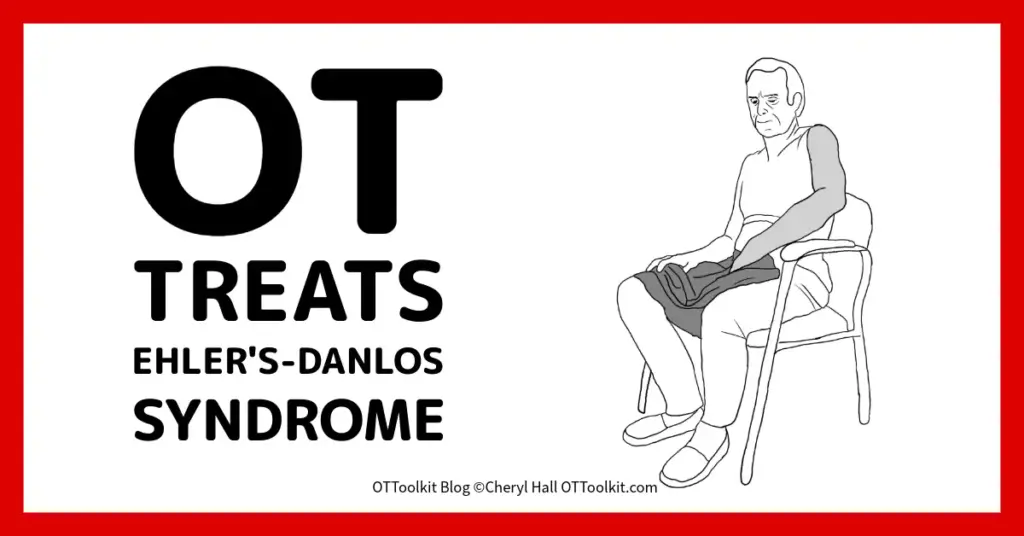
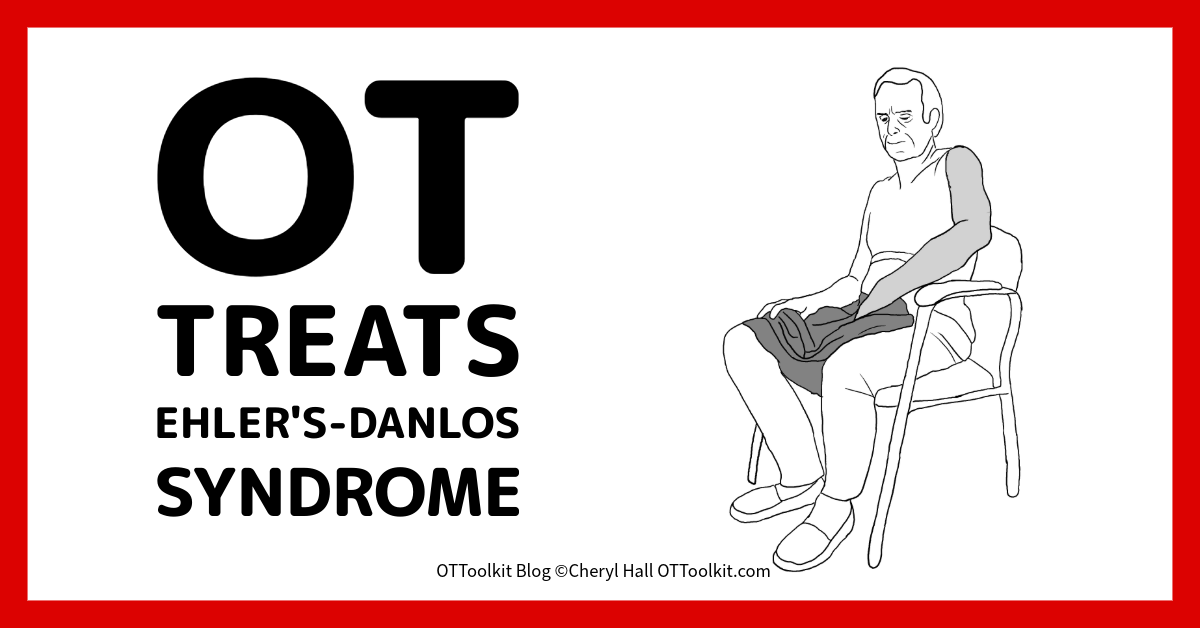
The Occupational Therapy Toolkit, a widely utilized resource for clinicians, is set to expand its scope of clinical guidance following a direct request from the occupational therapy community. Cheryl, the creator of the Toolkit, recently announced that she is developing a dedicated treatment guide for Ehlers-Danlos Syndrome (EDS) to be included in future editions of the publication. The decision was prompted by a suggestion from an occupational therapist practicing in Tennessee, who highlighted a critical gap in resources for patients navigating the complexities of this rare connective tissue disorder.
Ehlers-Danlos Syndrome is a condition that many occupational therapists may not encounter frequently in their day-to-day practice, yet its impact on a patient’s functional independence and quality of life is profound. While the 8th edition of the Occupational Therapy Toolkit was released as recently as 2024, the feedback received underscored the importance of ensuring that practitioners have evidence-based, accessible materials to support patients with less common conditions. By incorporating EDS into the next iteration of the Toolkit, the author aims to provide therapists with the structured support necessary to deliver high-quality, targeted care for this unique patient population.
At its core, Ehlers-Danlos Syndrome is a group of genetic connective tissue disorders that fundamentally alter how the body synthesizes and utilizes collagen—the primary structural protein in the human body. Because collagen acts as the "glue" for skin, joints, blood vessels, and internal organs, the symptoms of EDS are systemic and highly variable. There are currently 13 recognized types of the syndrome, each with distinct genetic origins and clinical manifestations. The hallmark indicators that bring patients to occupational therapy often include joint hypermobility, persistent joint instability, and chronic pain. Furthermore, patients frequently present with skin that is notably fragile, prone to easy bruising, and susceptible to tearing. Beyond these structural concerns, the syndrome is often accompanied by systemic challenges such as debilitating fatigue, dizziness upon standing—often related to autonomic nervous system involvement—and various gastrointestinal disturbances that can significantly disrupt daily routines.

For the occupational therapist, the challenge lies in the multifaceted nature of the condition. Because EDS affects nearly every system in the body, the treatment approach must be holistic. Occupational therapy interventions are uniquely positioned to address the gap between medical management and the patient’s daily functional requirements. As the field continues to evolve, the integration of EDS-specific strategies into standard clinical toolkits will ensure that therapists are better equipped to help patients manage their symptoms, preserve joint health, and ultimately achieve a higher level of independence in their personal, professional, and academic lives.
One of the most critical components of an EDS treatment plan is joint protection. Because hypermobility can lead to frequent subluxations and painful hyperextension, occupational therapists play a vital role in educating patients on safer movement patterns. This includes teaching biomechanical modifications for daily tasks to minimize stress on vulnerable joints. Furthermore, therapists are often instrumental in the design and fitting of specialized splints that provide the necessary external support to maintain joint integrity during both rest and activity. By mitigating repetitive strain, these interventions help reduce the chronic pain that so many EDS patients endure.
Closely related to joint protection is the strategy of energy conservation. Fatigue is a pervasive symptom for many individuals with connective tissue disorders, often exacerbated by the energy expenditure required to stabilize the body against hypermobility. Occupational therapists work closely with patients to develop sustainable pacing and planning strategies. This involves evaluating the patient’s daily schedule to balance exertion with necessary recovery time. By modifying how tasks are performed—such as introducing tools that reduce the effort required for household chores or personal care—therapists can help patients avoid the "boom-and-bust" cycle of activity that often leads to flares in symptoms.
Adaptive equipment serves as another pillar of the therapeutic approach. Beyond its role in energy conservation and joint protection, adaptive technology can be life-changing for patients experiencing balance issues or mobility constraints. An occupational therapist can conduct comprehensive assessments to recommend devices that facilitate safer community mobility and reduce the risk of falls, which are a significant concern for those with joint instability. Whether through the use of assistive technology, environmental modifications, or mobility aids, the goal is to create an environment that supports the patient’s safety and autonomy.
Ergonomics also plays a central role in the occupational therapy intervention for EDS. Whether the patient is a student navigating a classroom or a professional working in an office, the environment must be optimized to prevent unnecessary strain. Therapists evaluate work and school setups to ensure that furniture, equipment, and even software are configured to support the body’s specific needs. By reducing the reliance on repetitive movements and ensuring that the patient can maintain neutral postures, therapists help prevent the long-term wear and tear that can accelerate joint degradation.
Perhaps one of the more nuanced areas of treatment involves addressing proprioception. Many patients with EDS struggle with a diminished sense of their body’s position in space due to the laxity of their joints and connective tissues. This can lead to clumsiness, difficulty with motor control, and an increased risk of injury. Occupational therapists utilize targeted therapeutic exercises designed to improve proprioceptive feedback, effectively "training" the body to sense its location in space more accurately. This not only enhances coordination but also serves as a preventative measure to protect joint health in the long term.
It is also vital to recognize that the clinical picture of EDS often involves a range of co-occurring symptoms. Many patients report significant sleep disturbances, migraines, mental health challenges, and various autoimmune conditions. The role of the occupational therapist is to provide comprehensive support that addresses these secondary issues through lifestyle modifications, cognitive-behavioral strategies, and environmental adjustments. By treating the patient as a whole person rather than a collection of symptoms, the occupational therapist provides a bridge to improved quality of life.
While the Occupational Therapy Toolkit currently awaits the formal inclusion of a dedicated EDS treatment guide, the existing resources remain highly relevant for clinicians treating this population. The current materials provide a wealth of information on ADLs, mobility, therapeutic exercises, and educational handouts that can be adapted for the specific needs of patients with connective tissue disorders. Clinicians are encouraged to leverage these existing resources to support their EDS patients while awaiting the new, specialized content.
For those seeking more in-depth clinical knowledge, the Ehlers-Danlos Society remains the primary authority, offering a wealth of information for healthcare professionals, including continuing education modules, current research findings, and a directory of specialists. The ongoing collaboration between the authors of the Toolkit and the practitioners who use it serves as a testament to the dynamic nature of the profession. By listening to the needs of the community and responding with evidence-based resources, the Occupational Therapy Toolkit continues to serve as an essential companion for therapists dedicated to improving the lives of their patients. Practitioners who have suggestions or ideas for future content are encouraged to reach out to the author directly via email, ensuring that the Toolkit remains a collaborative and ever-evolving resource for the field.