





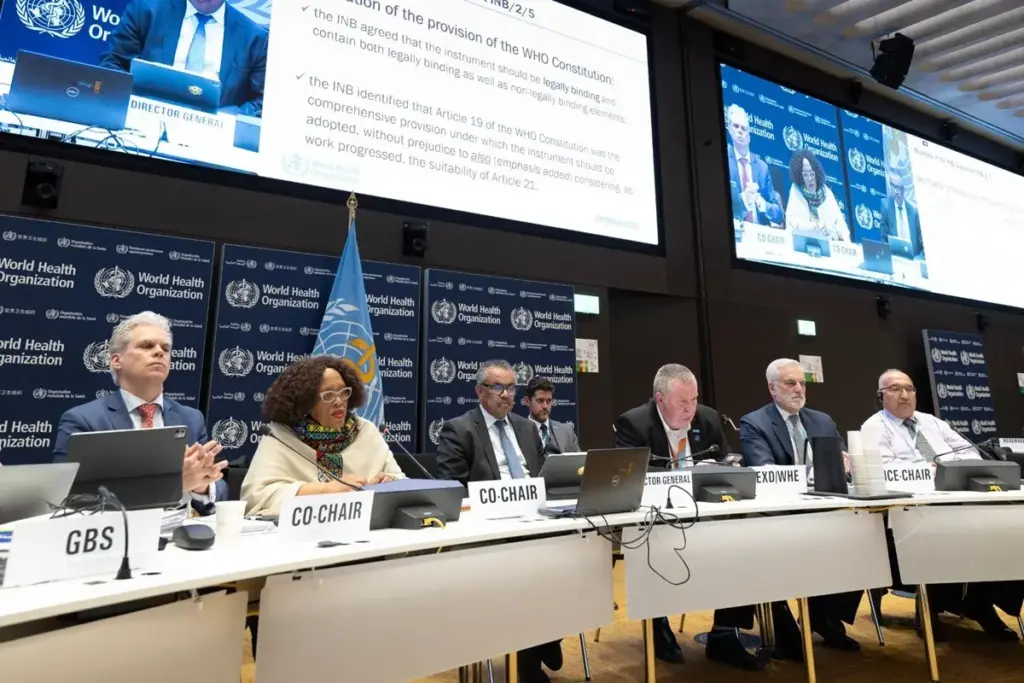
Governments from across the globe have reached a pivotal consensus to intensify negotiations on a proposed international pandemic agreement, signaling a renewed determination to codify a collective defense against future health emergencies. Meeting at the World Health Organization (WHO) headquarters in Geneva, representatives agreed to continue refining the draft treaty through a series of hybrid and in-person discussions over the coming weeks. This urgent push aims to solidify the framework ahead of the Seventy-seventh World Health Assembly, which is scheduled to convene on May 27, 2024.
The ongoing negotiations represent a critical juncture in global public health policy. As nations navigate the complexities of international cooperation, the focus remains on resolving key issues that will define the efficacy of the final agreement. These include the establishment of a robust global system for pathogen access and the equitable sharing of benefits—specifically regarding the rapid distribution of life-saving vaccines, diagnostic tools, and therapeutic treatments. Furthermore, the discussions are addressing the multifaceted challenges of pandemic prevention, the implementation of a "One Health" approach, and the essential financial coordination required to bolster the capacity of countries to prepare for, detect, and respond to potential future outbreaks.
Reflecting on the progress made, Dr. Tedros Adhanom Ghebreyesus, the WHO Director-General, lauded the persistence shown by Member States. "During more than two years of intensive negotiations, WHO’s Member States have shown unwavering commitment to forging a generational agreement to protect the world from a repeat of the horrors caused by the COVID-19 pandemic," Dr. Tedros stated. "I welcome the determination that all countries have shown to continue their work and fulfill the mission on which they embarked."
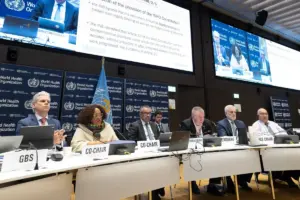
The process is being steered by the Intergovernmental Negotiating Body (INB), a member-state-led entity established more than two years ago specifically to spearhead the development of this international instrument. The INB Bureau, which is tasked with guiding the intricate negotiations, is preparing to submit the final outcome of these discussions for consideration at the upcoming World Health Assembly.
Dr. Precious Matsoso, representing South Africa and serving as Co-Chair of the INB Bureau, emphasized the historical weight of the current deliberations. According to Dr. Matsoso, the latest round of discussions has resulted in substantive progress across a broad spectrum of the issues outlined in the draft text. "We are witnessing history play out before our eyes during this process, with the coming together of all countries to decide a binding pact to protect all citizens of the world," she said.
The task, however, is far from simple. Dr. Matsoso noted that the endeavor is unprecedented, as it marks the first time the global community has attempted to develop a comprehensive, binding agreement specifically dedicated to pandemic prevention, preparedness, and response. "This is not a simple exercise," she remarked. "Getting this done means getting it right, and the INB Bureau is committed to help finalize a meaningful, lasting agreement."
The complexities of the negotiations are matched by the gravity of the goal. Mr. Roland Driece, representing the Netherlands and serving as the other Co-Chair of the INB Bureau, reflected on the ambitious timeline established at the outset of the process two years ago. He noted that the decision to pursue such a significant international agreement was born out of the raw experience of the COVID-19 pandemic, which served as a stark, global emergency that transcended borders and underscored the limitations of current international cooperation.
"This unprecedented effort by all WHO Member States was launched in response to an unprecedented global emergency—the COVID-19 pandemic," Mr. Driece explained. "These sovereign states did so recognizing that great collaboration and coordination were needed in the face of pandemics."
He acknowledged that the path to a consensus has not been without its hurdles. The negotiations have, at times, proven challenging as countries balance their respective national interests with the collective necessity of global health security. Despite these difficulties, there is a shared understanding among all participants that the current status quo is insufficient to meet the challenges of the next pandemic.
"While negotiations have been challenging at times, all countries agree that the world must be better prepared for the next pandemic," Mr. Driece stated. "It is not a matter of if a pandemic will happen again; it is a matter of when. We cannot afford to miss this historic opportunity to make the world safer from the next pandemic threat."
The origin of this movement can be traced back to March 2021, when a coalition of heads of state and government from two dozen countries issued a landmark statement of commitment. That document called for a new, revitalized era of global collaboration to better prepare for, prevent, and respond to future pandemics. This high-level political will culminated in December 2021, when WHO Member States formally decided to launch a global process to draft and negotiate a legally binding convention, agreement, or other international instrument.
The urgency to finalize the agreement is rooted in the lessons learned from the COVID-19 pandemic, which exposed significant gaps in global supply chains, equitable access to medical countermeasures, and cross-border data sharing. The proposed treaty seeks to address these systemic weaknesses by creating clearer obligations and mechanisms for accountability.
As the weeks leading up to the Seventy-seventh World Health Assembly approach, the intensity of the work within the INB is expected to increase. The technical and diplomatic staff involved in the negotiations are working under the clear mandate that the final text must be resilient, practical, and capable of fostering genuine international solidarity.
The inclusion of "One Health"—a collaborative approach that recognizes the interconnection between people, animals, plants, and their shared environment—is seen as a cornerstone of the proposed agreement. By addressing the zoonotic origins of many pandemics, proponents believe the treaty can serve as a preventative shield, rather than merely a reactive framework.
Furthermore, the focus on financial coordination is a recognition of the reality that many nations, particularly those in the Global South, require sustained support to build the infrastructure necessary for surveillance, laboratory capacity, and rapid response. The agreement aims to move beyond ad-hoc funding models toward a more predictable and sustainable system of financial support, ensuring that global health security is not a luxury afforded only to the wealthiest nations.
As the discussions resume in Geneva, the eyes of the international community remain fixed on the outcome. The task for the delegates is to reconcile divergent national perspectives into a singular, cohesive document that can stand the test of time. The commitment shown by the Member States to "get it right" suggests that despite the complexity of the negotiations, the shared vision of a safer, more prepared world continues to drive the process forward. The upcoming World Health Assembly will serve as the next significant milestone in this arduous, yet essential, journey toward strengthening global health security for generations to come.