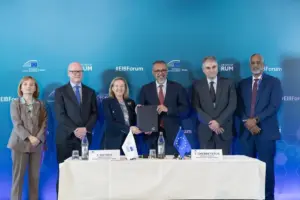








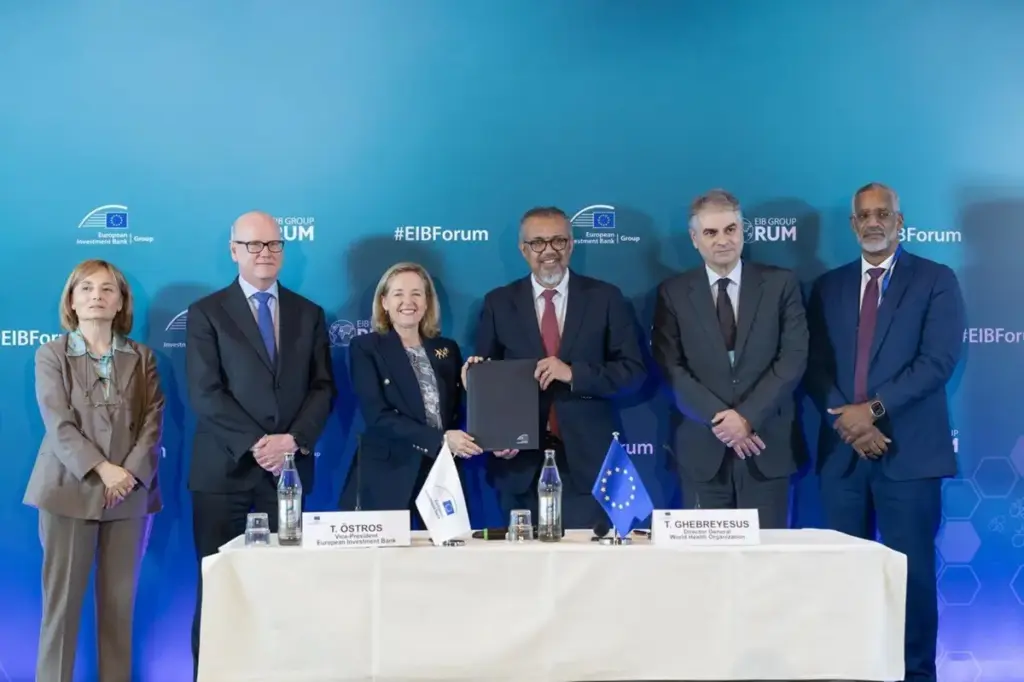
In a major international effort to bolster healthcare infrastructure amid ongoing regional challenges, the World Health Organization and the European Investment Bank have joined forces to secure critical medical aid and institutional support for Lebanon. On March 6, 2025, Dr. Tedros Adhanom Ghebreyesus, Director-General of the World Health Organization, and Thomas Östros, Vice-President of the European Investment Bank operating through its specialized arm EIB Global, met at the annual EIB Group Forum in Luxembourg to formalize a strategic partnership. The leaders signed a landmark agreement for a €10 million grant designed to comprehensively strengthen public health systems across Lebanon, addressing both immediate patient needs and long-term infrastructural recovery.
The high-level meeting in Luxembourg marked a pivotal moment for international cooperation in the health sector, bringing together global public health leadership and premier European financial expertise. Against the backdrop of complex socioeconomic pressures affecting the Middle East, the newly minted agreement establishes a robust financial mechanism to tackle acute vulnerabilities within the Lebanese healthcare landscape. By channeling funds directly through established international health frameworks, the initiative aims to bridge critical gaps that have strained local medical facilities, disrupted supply chains, and hampered the delivery of essential services to the population.
At the core of the newly funded initiative is a two-pronged strategy focused on systemic rehabilitation and direct humanitarian relief. The first major pillar of the project involves the complete re-establishment and modernization of Lebanon’s Central Public Health Laboratory. As a cornerstone of national health security, the central laboratory plays an indispensable role in disease surveillance, pathogen detection, quality control of pharmaceuticals, and overall diagnostic capacity. Years of compounding crises had severely degraded the facility’s operational capabilities, leaving the country vulnerable to public health emergencies and limiting the government’s ability to monitor health threats effectively. Rebuilding this vital institution will restore scientific oversight, enhance epidemiological readiness, and provide a reliable foundation for evidence-based public health policymaking throughout the country.
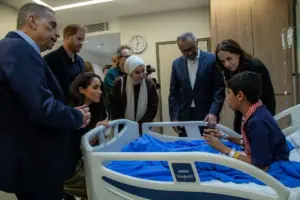
Beyond institutional reconstruction, the €10 million grant places an immediate and urgent priority on the provision of essential medications and targeted healthcare support. The initiative is specifically engineered to assist over 50,000 individuals living with chronic diseases, a particularly vulnerable demographic that has borne the brunt of medical shortages and escalating treatment costs. Chronic conditions such as diabetes, cardiovascular complications, and cancer require continuous, uninterrupted therapeutic management to prevent severe morbidity and mortality. For thousands of Lebanese patients, acquiring life-saving maintenance drugs, therapies, and regular clinical oversight had become an overwhelming financial and logistical challenge. This funding intervention is intended to stabilize the supply chain for critical pharmaceuticals, ensuring that vulnerable residents can access the ongoing care they require without facing catastrophic out-of-pocket expenses.
The partnership between the World Health Organization and EIB Global reflects a shared commitment to sustainable development and human security in times of crisis. EIB Global, the arm of the European Investment Bank dedicated to operations outside the European Union, plays a vital role in financing projects that foster economic resilience, social inclusion, and public infrastructure development worldwide. By leveraging its financial strength in coordination with the technical expertise and global reach of the WHO, the bank is able to direct resources where they are most urgently needed and ensure rigorous project implementation and accountability.
Dr. Tedros Adhanom Ghebreyesus and Thomas Östros emphasized during the signing ceremony that safeguarding public health is a fundamental prerequisite for broader societal stability and recovery. The collaboration underscores the international community’s enduring solidarity with the people of Lebanon, addressing both the immediate humanitarian imperative of patient care and the structural necessity of resilient public institutions. As implementation gets underway, the concerted efforts of the WHO, EIB Global, and local partners are expected to breathe new life into Lebanon’s healthcare sector, offering tangible relief to tens of thousands of patients and laying the groundwork for a more secure and resilient public health future.