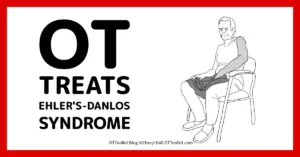









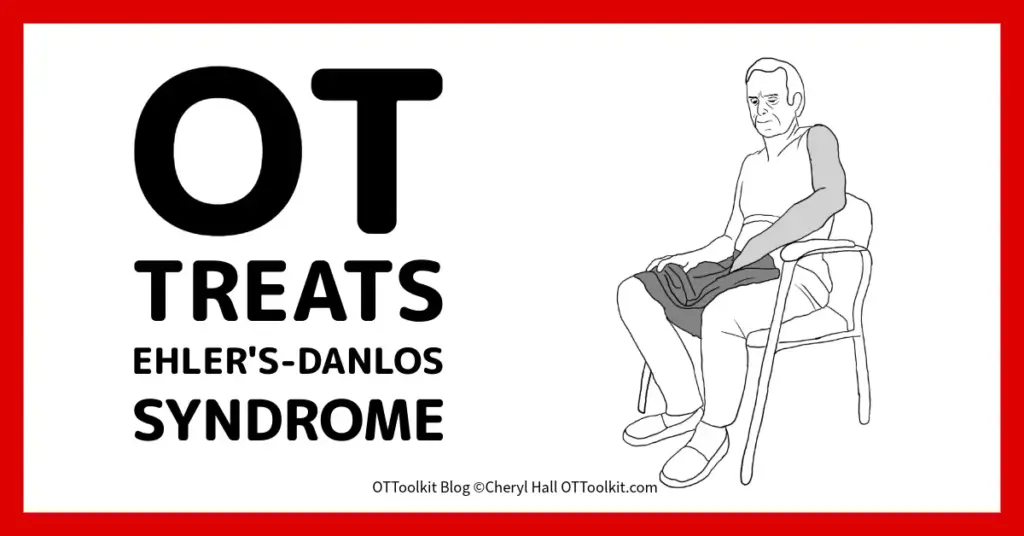
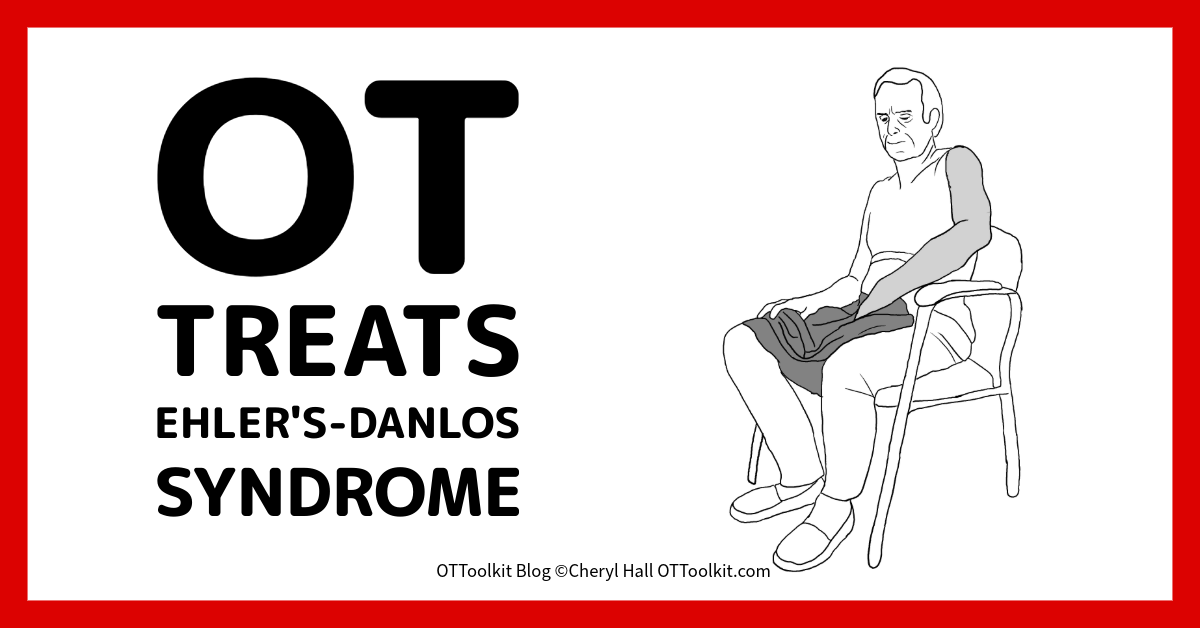
The collaborative nature of the occupational therapy community remains one of its most vital assets, serving as a catalyst for clinical innovation and the refinement of educational resources. Recently, this spirit of professional cooperation was highlighted when a practicing occupational therapist from Tennessee reached out with a poignant request regarding the Occupational Therapy Toolkit. The therapist shared that one of their patients, who is living with Ehlers-Danlos Syndrome (EDS), had expressed frustration over the lack of specific clinical guidance for this condition within the well-regarded resource. This inquiry prompted a deeper look into the role of occupational therapy in managing a complex, systemic condition that is often misunderstood in clinical settings.
Ehlers-Danlos Syndrome is a rare, complex connective tissue disorder that fundamentally affects the way the human body synthesizes and utilizes collagen, the protein responsible for providing structural integrity to skin, joints, blood vessels, and internal organs. Because collagen is ubiquitous throughout the body, the manifestations of the condition can be remarkably diverse. Medical literature currently identifies thirteen distinct types of EDS, each driven by specific genetic mutations. Despite the variance between types, patients often share common, debilitating challenges, including significant joint hypermobility, persistent joint instability, and chronic pain. The skin of those affected is frequently fragile, prone to easy bruising, tearing, and delayed wound healing. Beyond the musculoskeletal impact, patients frequently report a range of systemic symptoms, such as debilitating fatigue, dizziness upon standing—often associated with dysautonomia—and chronic digestive health concerns.
For many occupational therapists, EDS presents a unique set of clinical challenges. Because the condition is rare, some practitioners may find themselves treating it for the first time without a clear roadmap. However, the potential for therapeutic intervention is immense. Occupational therapy is uniquely positioned to assist patients in easing their symptoms, fostering greater independence, and significantly enhancing their overall quality of life. Recognizing the importance of this need, there is a clear commitment to integrating a dedicated treatment guide for EDS into the next edition of the Occupational Therapy Toolkit. Given that the eighth edition was only recently released in 2024, this current period serves as an essential bridge, providing an opportunity to disseminate information and raise awareness about how current OT interventions can be adapted to support the EDS population effectively.
The therapeutic approach to EDS is multifaceted, focusing heavily on joint protection and structural support. Because hypermobility often leads to painful hyperextension and chronic joint discomfort, occupational therapists play a critical role in mitigating these effects. This involves a comprehensive analysis of the patient’s daily activities to modify task performance, ensuring that movements are ergonomic and safe. Beyond behavioral modifications, therapists are instrumental in the design and fitting of specialized splints. These orthotic interventions provide the necessary external support to stabilize vulnerable joints, thereby reducing pain and preventing the damage caused by frequent subluxations or dislocations.
Energy conservation represents another cornerstone of the occupational therapy intervention for EDS. Many patients report that their condition is characterized by a "hidden" fatigue that can be as debilitating as the physical pain. OTs work collaboratively with patients to implement structured pacing and planning strategies. By breaking down tasks and prioritizing energy expenditure throughout the day, patients can avoid the cycle of "boom and bust" activity that often leads to flares. Task modification—whether through the use of assistive devices or the reorganization of a workspace—is essential to this strategy, allowing patients to maintain their autonomy without exhausting their limited physiological reserves.
The integration of adaptive equipment extends beyond simple energy management; it is a vital component of fall prevention and community mobility. Given the instability of the joints and the potential for dizziness, therapists often recommend and train patients on the use of adaptive tools that ensure safety during navigation in both home and community settings. This proactive approach to environmental adaptation is further supported by ergonomic evaluations. Whether in an office, a school environment, or the home, an occupational therapist’s assessment can identify risks that lead to repetitive strain. By recommending specific ergonomic furniture, specialized software, or adjusted workstation setups, OTs help patients minimize the micro-traumas that accumulate over time in the joints and connective tissues.
One of the more nuanced aspects of treating EDS involves addressing proprioceptive deficits. Because the body’s ability to sense its position, movement, and location in space—proprioception—is often compromised in hypermobile patients, they may move in ways that inadvertently cause injury. Occupational therapists use targeted, gentle therapeutic exercises designed to enhance the patient’s internal "map" of their body. By improving proprioception, patients can develop better motor control, which acts as a protective mechanism for their joints.
It is also important for clinicians to recognize the complexity of co-occurring symptoms. EDS is rarely an isolated concern; patients frequently manage a constellation of comorbidities, including sleep disturbances, mental health challenges, chronic migraines, gastrointestinal issues, and various autoimmune disorders. Occupational therapists are uniquely trained to provide holistic support, offering interventions and lifestyle modifications that help patients manage these secondary conditions alongside their primary diagnosis.
While the Occupational Therapy Toolkit continues to evolve to meet the needs of such patient populations, it remains a robust resource for those treating EDS today. Even without a specific guide for this condition, the existing materials within the toolkit—including comprehensive treatment guides, ADL and mobility handouts, educational materials, and therapeutic exercise protocols—offer a strong foundation for any therapist. These resources can be adapted to address the specific needs of the EDS patient, providing them with the high standard of care they deserve.
For those seeking to expand their clinical knowledge of this condition, the Ehlers-Danlos Society stands as a primary resource. Their platform offers extensive materials for healthcare professionals, including access to continuing education, the latest research findings, and a global directory of medical practitioners who possess specialized expertise in the management of EDS. Engaging with such resources is essential for staying current on the rapidly evolving understanding of connective tissue disorders.
The request from the Tennessee-based therapist serves as a reminder of the power of professional feedback. The ongoing development of resources like the Occupational Therapy Toolkit is deeply rooted in the experiences and needs of the clinicians on the front lines. Practitioners are encouraged to share their insights, observations, and requests for future content by contacting the author directly. By continuing this dialogue, the occupational therapy community ensures that its resources remain relevant, evidence-based, and, above all, deeply supportive of the patients they serve.