










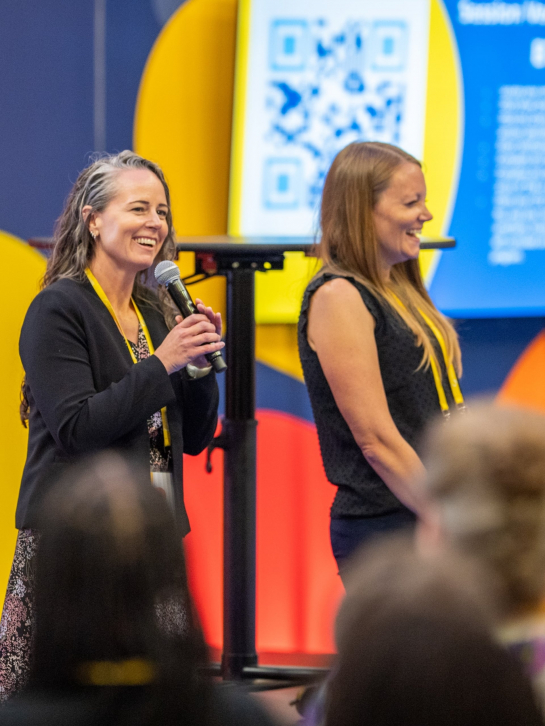
The first three years of life represent a foundational window of immense development, shaping lifelong mental health, emotional well-being, and cognitive capacity. Recognizing the critical nature of this period, organizations, professionals, and policymakers continue to mobilize around comprehensive strategies to support young children and the networks that surround them. At the forefront of this national conversation is the upcoming ZERO TO THREE LEARN Conference 2026, scheduled to take place in Portland, Oregon, on October 27, 2026. Designed to bring together parents, caregivers, community leaders, educators, and policymakers, the conference aims to provide practical strategies, fresh insights, and meaningful professional connections to ensure every child gets a strong start in life.
From birth to age three, a child’s brain produces more than one million neural connections every second, establishing the structural blueprint for all future learning, behavior, and health. Understanding this rapid phase of growth is essential for helping caregivers mold babies and toddlers into resilient, healthy individuals. To bridge the gap between complex neurological research and everyday parenting, support systems offer extensive resources, including community care tools, evidence-based tips, and practical frameworks for effective child-rearing. These initiatives are designed to assist families who navigate the complex emotional and physical demands of early parenthood.

Professionals across diverse sectors—including early childhood education, health care, mental health services, and family support programs—rely heavily on specialized training and collaborative networks to enhance their daily practices. Comprehensive professional development programs, conferences, free webinars, and educational resources deepen the understanding of childhood development and strengthen effective practices. By equipping practitioners with the tools they need, these training opportunities ensure that those working directly with young children can deliver the highest standard of care and support.


Systemic advocacy also plays a vital role in shaping the landscape of early childhood development. Organizations actively engage with policymakers and state legislators to influence legislation concerning early childhood education, child welfare, and sustainable child care solutions. Public policy decisions must prioritize the unique needs of infants, toddlers, and their families to build a stable societal foundation. Recent legislative highlights reflect ongoing efforts at the state level to strengthen child welfare systems and improve outcomes for vulnerable young populations.

Mental and emotional health during infancy and early childhood remains a critical area of focus. Experts emphasize that babies and toddlers can—and frequently do—suffer from mental health challenges driven by trauma, neglect, biological factors, or challenging environmental situations. Providing targeted resources, specialized training, and clear guidelines helps parents, caregivers, and professionals nurture emotional well-being from the very beginning. Programs and awareness campaigns highlight how early experiences profoundly impact long-term mental health, offering actionable tools to support the emotional needs of the youngest members of society.

Empowering communities is equally vital to fostering healthy environments for children. Beyond providing local resources, advocacy groups facilitate dedicated training sessions for community organizations and local leaders, enhancing their capacity to support families effectively. Through collaboration and active community engagement, these initiatives help cultivate supportive ecosystems where healthy childhood development can thrive.

Recent research and reporting from the field underscore the escalating pressures facing modern families. A national snapshot capturing the realities of life for families with infants and toddlers reveals a troubling intensification of economic pressure, emotional distress, and daily uncertainty. Despite these growing strains, families continue to fight for stability and love for their babies. Compounding these pressures is a deeply strained child care infrastructure. The ongoing child care crisis has created a difficult paradox: families are paying more than they can afford for care, while the educators who make that care possible remain among the lowest-paid workers in the nation. This squeeze results in program closures, financial strain for households, and young children caught in the middle of a systemic shortfall.

Emerging technological and societal shifts also demand careful navigation from the early childhood community. The integration of artificial intelligence into early learning environments and daily life has prompted specialized guidance and analysis, helping professionals and parents determine when to embrace, slow down, or limit technology use around young children. Similarly, expert discussions explore the profound, lasting impact of community violence, economic instability, and systemic pressures on family dynamics, reinforcing the irreplaceable value of relationship-based interventions such as home visiting. Programs that prioritize trust-building and tailored family support remain more essential than ever in addressing complex household needs.

As communities prepare for the upcoming LEARN Conference 2026 and its associated virtual briefings, special rebroadcasts, and wellness events, the overarching message remains clear: supporting a child in their first one thousand days is an investment that lasts a lifetime. Whether through participating in professional development, advocating for legislative change, or supporting national initiatives that champion babies and families, stakeholders across the country continue to work toward making the well-being of infants and toddlers an undeniable national priority.