







BREAKING NEWS
Mental Health and Psychology The Silent Cut: Why Corporate Erasure is More Damaging Than Ostracism 30 minutes ago Pediatric Healthcare Qatar Fund for Development and WHO Forge $4 Million Partnership to Advance Global Health Equity 31 minutes ago Behavioral Health Measuring the Mental Toll: How a New Scale Evaluates Disaster Resilience in Students 38 minutes ago Applied Behavior Analysis Beyond the Diagnosis: New Study Reveals Five Distinct Brain Patterns in Depression 8 hours ago Child Development The Brain’s Hidden Control Center: How a Single Protein May Dictate the Aging Process 8 hours ago Mental Health and Psychology Mastering the Stoic Art of Emotional Control: Why Anger Is a Choice 8 hours ago Pediatric Healthcare India Bolsters Global Health Security with $85 Million Commitment to WHO Traditional Medicine Centre 9 hours ago Neurodiversity Living Life in Hard Mode: Why the Omission of Autistic Culture in National Guidelines Underscores a Global Crisis 9 hours ago Mental Health and Psychology The Silent Cut: Why Corporate Erasure is More Damaging Than Ostracism 30 minutes ago Pediatric Healthcare Qatar Fund for Development and WHO Forge $4 Million Partnership to Advance Global Health Equity 31 minutes ago Behavioral Health Measuring the Mental Toll: How a New Scale Evaluates Disaster Resilience in Students 38 minutes ago Applied Behavior Analysis Beyond the Diagnosis: New Study Reveals Five Distinct Brain Patterns in Depression 8 hours ago Child Development The Brain’s Hidden Control Center: How a Single Protein May Dictate the Aging Process 8 hours ago Mental Health and Psychology Mastering the Stoic Art of Emotional Control: Why Anger Is a Choice 8 hours ago Pediatric Healthcare India Bolsters Global Health Security with $85 Million Commitment to WHO Traditional Medicine Centre 9 hours ago Neurodiversity Living Life in Hard Mode: Why the Omission of Autistic Culture in National Guidelines Underscores a Global Crisis 9 hours ago
Stories
The Silent Cut: Why Corporate Erasure is More Damaging Than Ostracism
Qatar Fund for Development and WHO Forge $4 Million Partnership to Advance Global Health Equity
Measuring the Mental Toll: How a New Scale Evaluates Disaster Resilience in Students
Beyond the Diagnosis: New Study Reveals Five Distinct Brain Patterns in Depression
The Brain’s Hidden Control Center: How a Single Protein May Dictate the Aging Process
Mastering the Stoic Art of Emotional Control: Why Anger Is a Choice
India Bolsters Global Health Security with $85 Million Commitment to WHO Traditional Medicine Centre
Living Life in Hard Mode: Why the Omission of Autistic Culture in National Guidelines Underscores a Global Crisis
Life After Loss: Six Years Later, the Unseen Architecture of Grief Unfolds in Daily Life
Supreme Court Case Over Universal Preschool Threatens to Upend Decades of Disability Rights, Advocates Warn

Tag: rhythms

3 posts

Standard

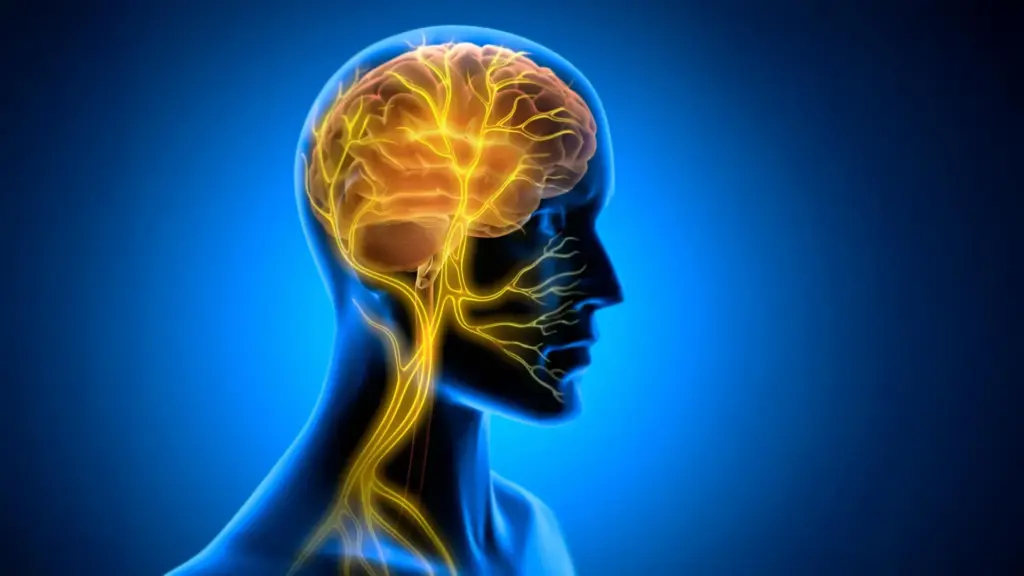
New Research Reveals How the Vagus Nerve Shapes Long-Term Learning Through Brain Vascular Rhythms

Why do some skills seem to integrate into our repertoire almost instantaneously, while others remain elusive, resisting even the most dedicated and repetitive practice? For decades, the focus of learning science has been largely confined to the brain itself—examining synaptic plasticity, neuronal firing patterns, and the architecture of neural circuits. However, groundbreaking new research from…
Read more
Standard

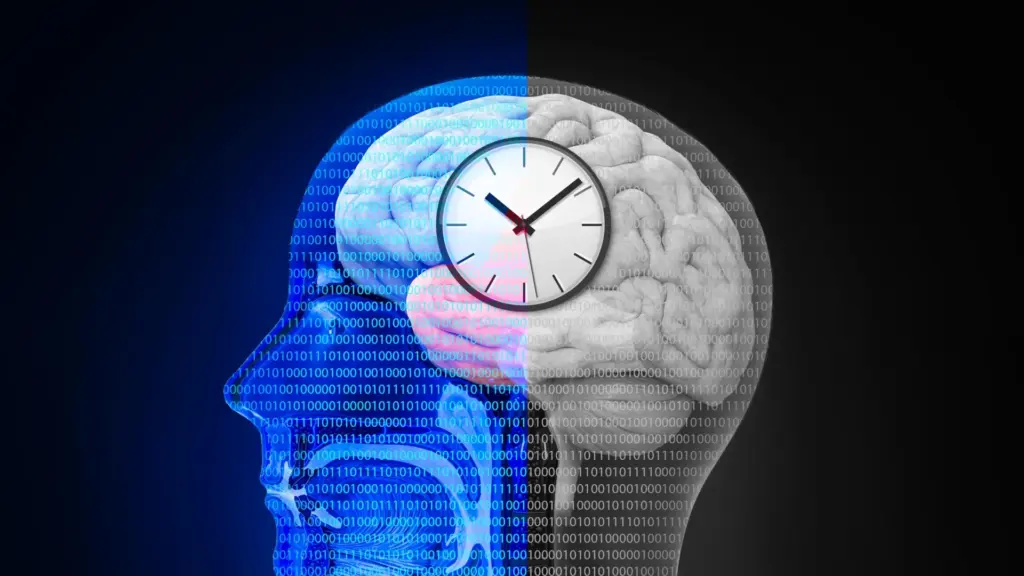
Resetting the Internal Clock: New Research Suggests Circadian Rhythms May Hold the Key to Stroke Recovery

Scientists at the University of Rochester Medicine have unveiled a compelling new frontier in stroke rehabilitation, discovering that strengthening the body’s natural daily rhythms to improve sleep may significantly bolster the brain’s ability to recover from injury. This research offers a promising, potentially transformative approach to supporting the brain’s waste-clearance systems and enhancing long-term recovery…

Read more
Standard

Resetting the Internal Clock: New Research Suggests Circadian Rhythms Could Unlock Stroke Recovery

Scientists at the University of Rochester Medicine have uncovered a promising new frontier in neurological recovery: the possibility that strengthening the body’s natural, daily rhythms could significantly improve brain health long after a stroke. By reinforcing the circadian clock, researchers believe they can jump-start the brain’s waste-clearing infrastructure, offering a potential lifeline to patients who…

Read more