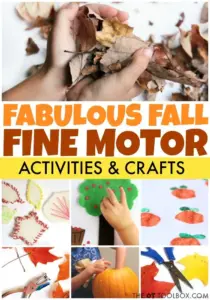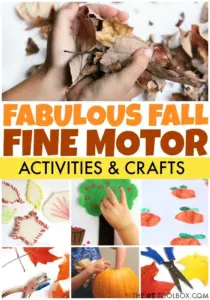









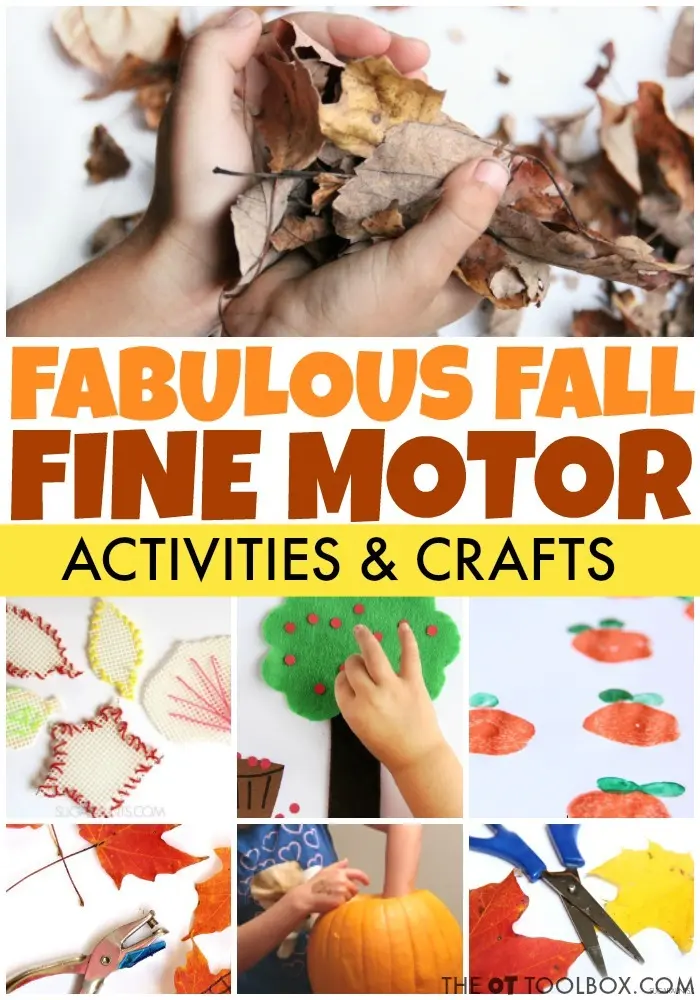
As the crisp autumn air arrives and landscape colors shift to vibrant hues of red, orange, and gold, pediatric occupational therapists, educators, and parents are increasingly turning to seasonal themes to support childhood development. Rather than selecting autumn crafts and sensory projects purely for seasonal enjoyment, developmental specialists are highlighting how classic fall materials—such as apples, leaves, pumpkins, acorns, and farm produce—can be strategically deployed to target specific fine motor milestones in children.
Recent clinical insights from pediatric resources emphasize that seasonal activities can be systematically adapted to address foundational physical needs, including hand strength, finger dexterity, scissor proficiency, visual-motor integration, and handwriting development. Because many traditional play and craft ideas naturally overlap across multiple developmental domains, practitioners are finding success in tailoring these tasks to match the individual capabilities of toddlers, preschoolers, and early elementary students.
Integrating Seasonal Materials into Therapy and Play
The transition into autumn provides a natural abundance of textures and objects that engage children through sensory experiences while simultaneously building motor control. From crunching dry leaves underfoot to scooping out slippery pumpkin seeds, these seasonal elements offer rich proprioceptive and tactile feedback. Experts note that sensory-rich environments help motivate children, transforming repetitive strengthening exercises into engaging play.
To support families and clinicians navigating the season, developmental toolkits and free sensory activity booklets have been widely distributed, offering structured ideas that encourage both gross and fine motor movements. By utilizing items found directly in the yard or local grocery store—such as fallen leaves, pinecones, and gourds—adults can easily implement targeted interventions without requiring expensive specialty equipment.
Targeting Hand Strength Through Resistance and Manipulation
Hand and finger strength form the physical foundation necessary for everyday tasks such as buttoning clothing, opening lunch containers, and holding writing utensils. Seasonal activities provide varied levels of resistance that gently challenge the small intrinsic muscles of the hands.
Apple-themed geoboards, for instance, require children to stretch thick rubber bands across wooden pegs to recreate specific fruit shapes. This action supplies resistance to the fingers while demanding precision and controlled release, simultaneously supporting bilateral coordination and visual-motor planning. Similarly, working with scented autumn play dough engages the hands through rolling, squeezing, pinching, and pressing. Therapists frequently incorporate hidden elements—such as miniature plastic leaves, seasonal erasers, or colored beads—into the dough to encourage targeted pincer grasps and arch development.
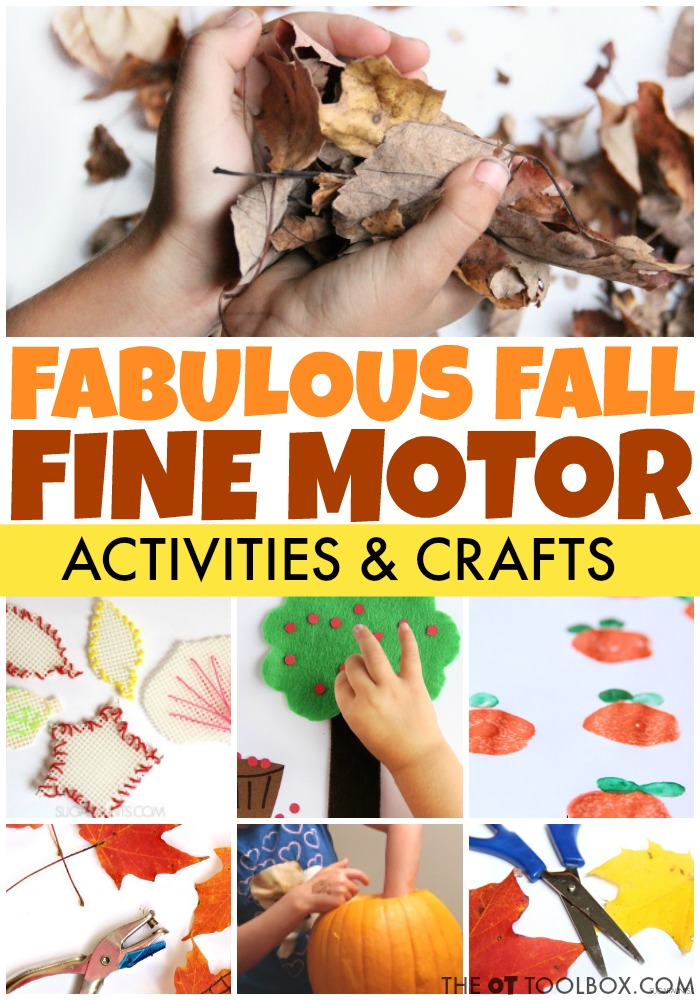
Hole-punching activities represent another effective method for building gross grasp and sustained hand force. By having children operate standard hole punches around the outlines of printed apple shapes or genuine fall leaves, practitioners can observe and improve bilateral coordination as one hand stabilizes the paper while the other exerts rhythmic squeezing pressure.
Enhancing Manual Dexterity and Finger Precision
Manual dexterity involves the efficient, coordinated use of the fingers to perform small, precise movements. When children struggle with dexterity, tasks involving fasteners, small fasteners, or manipulation often break down. Seasonal manipulatives—including craft pom-poms, seeds, paper clips, and small craft items—offer practical ways to refine these abilities.
Autumn tree geoboards encourage children to manipulate rubber bands using only their fingertips rather than their entire hand, fostering improved grip control and spatial awareness. Meanwhile, apple-themed counting cards paired with standard metal paper clips challenge young learners to open and position the clips accurately onto laminated sheets, supporting bilateral hand use and eye-hand coordination.
Transfer activities using tongs or tweezers to move fall-colored pom-poms or seeds into ice cube trays or muffin tins further isolate precise finger movements. Practitioners can easily adjust the difficulty of these tasks by altering the size of the objects or the resistance of the tools used.
Advancing Scissor Skills and Bilateral Coordination
Cutting with scissors is a complex developmental milestone that requires each hand to perform entirely different functions. While the dominant hand opens and closes the blades along a designated path, the non-dominant helper hand must continuously rotate and stabilize the paper.
Apple cutting practice pages and autumn leaf cutting exercises offer structured ways to assess and build these skills. When children snip real fall leaves into small pieces or follow printed lines on themed worksheets, occupational therapists monitor whether the child maintains an appropriate thumb-up scissor grasp, utilizes consistent cutting motions, and successfully coordinates both sides of the body.
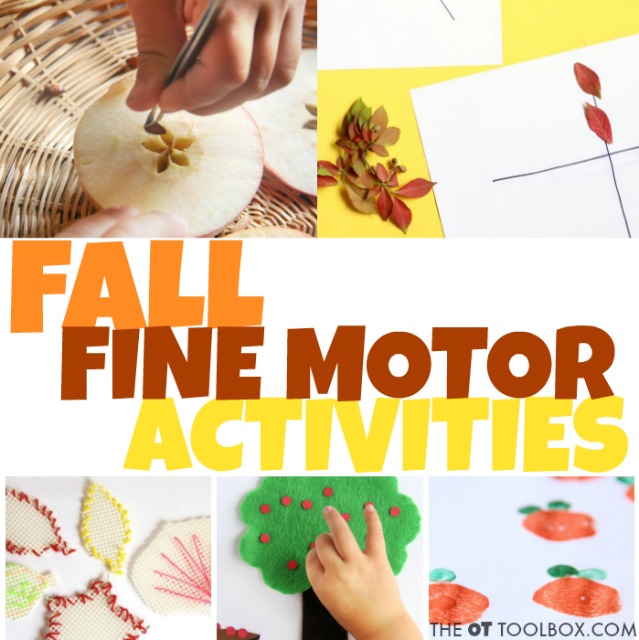
More complex seasonal projects, such as farm-themed cut-and-paste crafts, elevate the cognitive and physical demands of the task. Beyond the mechanics of cutting, children must visually interpret where individual pieces belong, orient them correctly, follow a multi-step assembly sequence, and apply glue precisely where needed. This integration supports visual-spatial skills, executive functioning, and direction-following alongside traditional scissor practice.
Bridging Visual-Motor Integration and Handwriting
A child may possess adequate hand strength and finger dexterity yet still encounter difficulties when asked to copy designs, follow complex lines, or coordinate visual input with hand movements. Seasonal directed drawing activities address this visual-motor component by asking children to study models of acorns, leaves, and pumpkins, then reproduce the spatial relationships on paper.
Pattern block designs incorporating fall motifs further blend fine motor manipulation with visual discrimination and spatial awareness, requiring children to select correct geometric shapes, determine proper orientation, and fit them together. Additionally, seek-and-find visual puzzles help build visual scanning, figure-ground perception, and sustained attention, particularly when children are encouraged to physically mark found items using clothespins or small counters.
For writing development, structured autumn writing prompts allow educators and therapists to address handwriting goals within meaningful contexts rather than through isolated drill practice. Depending on an individual student’s developmental stage, practitioners can focus on specific components such as baseline adherence, letter spacing, consistent sizing, or overall writing endurance, adapting a single set of prompts to serve emerging writers, beginning sentence-writers, and older students alike.
As educational and clinical settings continue to embrace seasonal themes, professionals note that integrating familiar autumn elements into daily routines remains an effective, engaging strategy to help children achieve critical developmental milestones.