





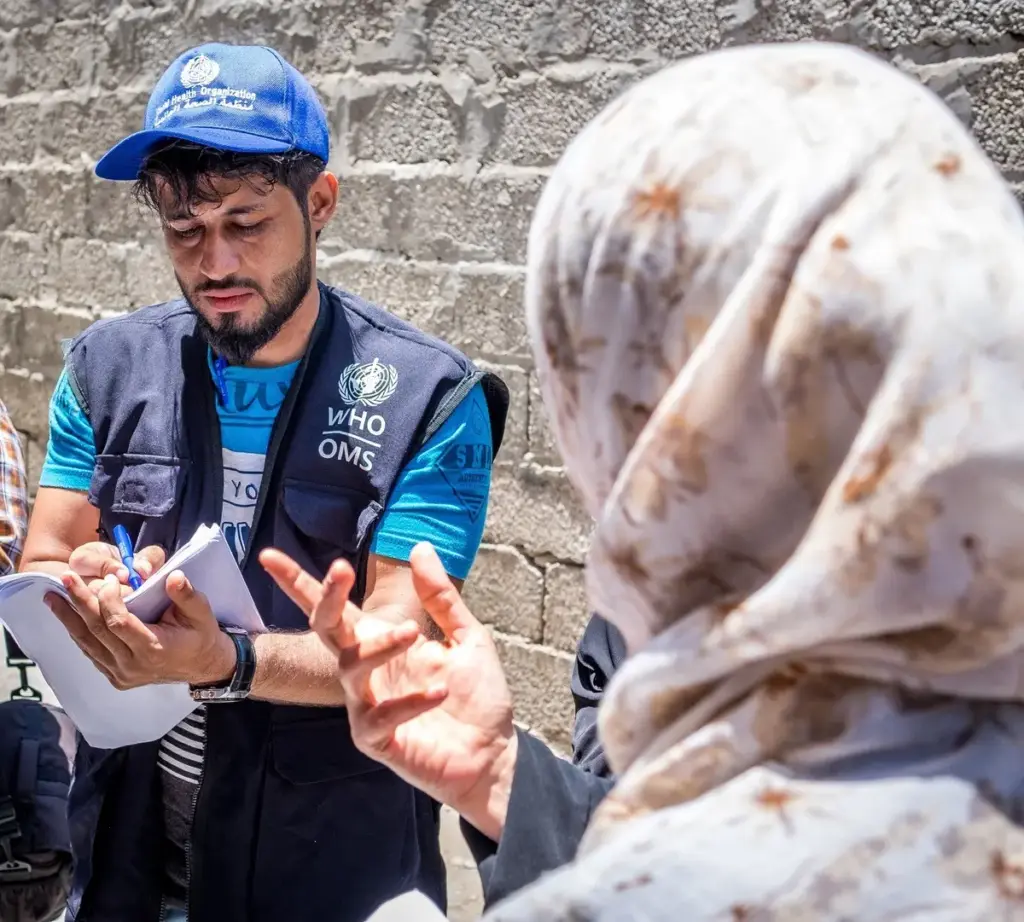
In a decisive move to fortify global health systems and enhance the quality of life-saving information, the World Health Organization (WHO) has officially unveiled the "SCORE for Health Data Technical Package." This initiative represents a comprehensive, harmonized strategy designed to improve the availability of reliable, validated, and comparable health data—a need that has become increasingly critical as the world grapples with the ongoing challenges of the COVID-19 pandemic.
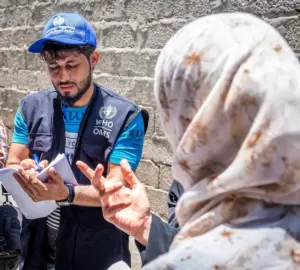
For many nations, the pandemic has served as a sobering wake-up call, exposing systemic weaknesses in health information infrastructure. While high-quality data is the bedrock of effective public health strategy, many countries continue to struggle with the dual hurdle of lacking the foundational systems to routinely gather health information and the analytical capacity required to translate that information into actionable policy and emergency response. The SCORE package is intended to address these gaps directly, offering a unified set of tools that help governments move from data collection to informed decision-making.
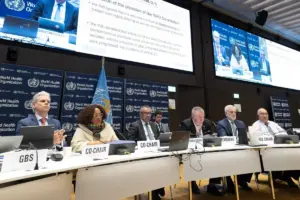
"Countries must be able to measure progress to make progress," stated WHO Director-General Dr. Tedros Adhanom Ghebreyesus during the announcement. Emphasizing the essential role of evidence-based governance, he noted that, particularly during the turmoil of the COVID-19 crisis, reliable data remains the most effective tool available to coordinate response efforts, allocate scarce resources to the communities that need them most, and ultimately improve health outcomes across all sectors.

The Components of the SCORE Framework
The acronym SCORE—which stands for Survey, Count, Optimize, Review, and Enable—encapsulates the package’s holistic approach to health information systems. By integrating these five key pillars, the framework provides a structured pathway for countries to enhance their health systems. It is the first time that such a wide array of standardized tools has been brought together into a single, cohesive, and harmonized package.
The package is explicitly designed to be practical, flexible, and actionable. It aims to help governments around the globe set robust benchmarks and establish higher standards for healthcare. By creating a common set of tools based on universally accepted standards, the WHO hopes to foster an environment where health information is not only gathered more efficiently but is also more useful for those on the front lines of public health.
The necessity for such a framework was highlighted by the findings of the WHO World Health Statistics 2020 report, which underscored widespread gaps in data availability across various regions. In response, the SCORE package incorporates more than 90 universally accepted tools and standards, providing a comprehensive toolkit for strengthening the very foundation of health information systems.
A Collaborative Effort for Global Health Security
The development of the SCORE Technical Package is a collaborative success, bolstered by a partnership between the WHO and the Bloomberg Philanthropies Data for Health Initiative. This collaboration underscores the recognition that data is not merely a bureaucratic requirement but a vital asset for national security and individual well-being.
Dr. Kelly Henning, Director of Public Health Programs at Bloomberg Philanthropies, highlighted the importance of this partnership in the current global climate. "Using data to inform public health priorities and strategies has never been more important," Dr. Henning said. "The SCORE Technical Package provides country governments around the world with high-quality, essential technical guidance so that countries can strengthen their own data systems."
By providing countries with the necessary technical guidance, the initiative aims to empower national governments to take ownership of their health information landscapes. This shift toward country-owned, disaggregated data is seen by the WHO as a critical step toward building more resilient, sustainable, and equitable health systems that can withstand future shocks.
Addressing the Urgency of the Data Gap
The launch of the SCORE package comes at a time when the window of opportunity to meet global health targets is narrowing. Dr. Samira Asma, Assistant Director-General for Data, Analytics and Delivery for Impact at the WHO, stressed the urgency of the moment, noting that the global community must act swiftly to invest in statistical systems.
"We must keep score to save lives," Dr. Asma stated. "WHO is committed to working with countries and partners to rapidly scale up capacity for data collection and use in order to improve policy and performance. We must act now to invest in statistical systems in countries, respond to this pandemic, and meet the Sustainable Development Goals (SDGs) and the Triple Billion targets."
She further emphasized that the struggle to address data gaps cannot wait. As countries navigate the complexities of the pandemic, the capacity to use data to address specific, local needs has become a primary pillar of public health performance. The data gaps identified by the WHO are not just abstract statistics; they represent missing information that could otherwise guide vaccinations, resource distribution, and the management of chronic health conditions.
Looking Toward the Future
The release of the initial SCORE documentation marks only the beginning of a broader, phased rollout. The current package serves as a foundational resource, but the WHO has confirmed that future components will be released later this year. These forthcoming additions include the "SCORE Assessment Instrument," as well as a series of global, regional, and country-specific status reports.
These future tools are intended to provide a comprehensive roadmap for governments to plan and monitor their progress against both national and subnational priorities, as well as broader global health targets. By creating a unified, consistent method for monitoring, the WHO hopes to foster a culture of transparency and collaboration.
The COVID-19 pandemic has served as both a stark reminder of the challenges that remain in global health and a catalyst for change. The WHO views this moment as an opportunity to "build back better" through increased solidarity and enhanced information-sharing. The SCORE Technical Package is, at its core, a testament to the belief that common standards and collaborative efforts are the only way to successfully combat modern health crises.
As the global health community looks toward the future, the emphasis remains on the practical application of these standards. The success of the SCORE framework will ultimately be measured by its ability to translate data into improved health outcomes for populations around the world. By equipping countries with the tools to effectively track their progress, the WHO aims to ensure that the hard lessons learned during the pandemic are not forgotten, but are instead used to build a stronger, more data-driven future for global public health.
As the program progresses throughout the year, the WHO will continue to work closely with member states to implement the SCORE tools, ensuring that the package remains a living resource that can adapt to the evolving needs of countries as they strive to meet the ambitious health goals of the coming decade. With the continued support of partners like the Bloomberg Philanthropies Data for Health Initiative, the WHO remains focused on its objective: ensuring that no country is left behind in the effort to utilize data to save lives and protect the well-being of citizens worldwide.