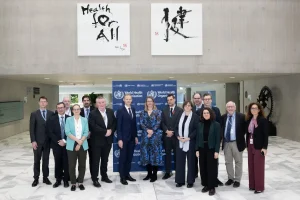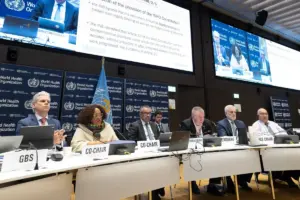








In an era defined by rapid change, geopolitical instability, and emerging biological threats, the international community is increasingly looking toward unconventional alliances to secure the future of global health. During the Philanthropy Asia Summit, held in Singapore from May 5 to 7, 2025, the World Health Organization (WHO) underscored the critical, expanding role that private philanthropic support plays in bridging the gap between current health infrastructure and the universal mandate of equitable care.
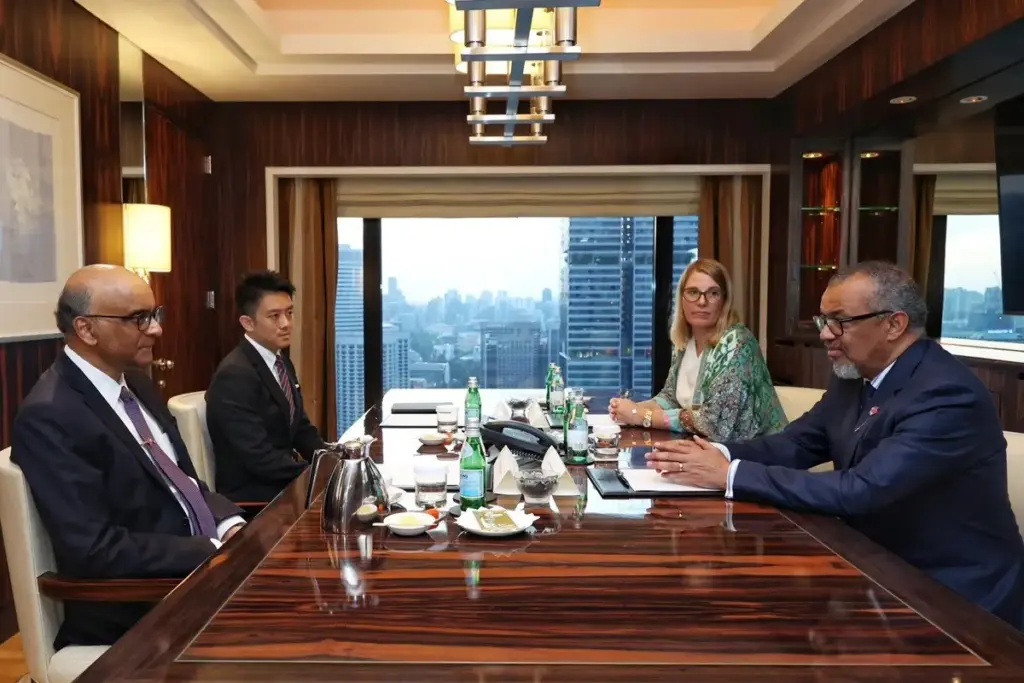
Addressing delegates at the summit, WHO Director-General Dr. Tedros Adhanom Ghebreyesus articulated a clear vision: the future of public health cannot be sustained by governmental funding alone. As the world navigates the complexities of post-pandemic recovery and the persistent challenge of health disparities, philanthropic actors have emerged as indispensable partners in the drive toward stronger, more resilient national health systems.
Dr. Tedros took the opportunity to express his profound appreciation to the Temasek Foundation and the Philanthropy Asia Alliance for their initiative in organizing the summit. In his keynote remarks, he highlighted how these organizations serve as a vital conduit for change, fostering collaboration that transcends traditional funding models. By aligning private capital and strategic expertise with the WHO’s mission, these partnerships aim to bolster country self-reliance, ensuring that nations have the institutional strength to manage health crises without total dependence on external aid.

The summit served as a backdrop for a significant moment in the WHO’s financial strategy: the Investment Round. Dr. Tedros specifically acknowledged the leadership of His Excellency President Tharman Shanmugaratnam and the government of Singapore, noting their early and decisive support for the organization’s new funding mechanism. "Singapore and the Temasek Foundation were amongst the first to pledge support to WHO’s Investment Round," Dr. Tedros noted, framing their commitment as a beacon for other potential donors. He emphasized that this collaboration is more than a financial transaction; it is a shared commitment to the WHO’s founding vision—a principle that declares the highest attainable standard of health to be a fundamental human right, rather than a luxury reserved for the affluent or the well-positioned.
The WHO’s shift toward a more diversified donor base represents a strategic evolution in global health governance. By actively engaging with philanthropic organizations, the WHO is seeking to create a more robust financial foundation that can withstand the volatility of an increasingly turbulent world. This strategy is designed to amplify the impact of every dollar spent, targeting essential health services that provide the bedrock for universal health coverage.
In the eyes of the WHO, philanthropic organizations bring unique advantages that complement the work of governments and intergovernmental agencies. While state-led initiatives are often bound by strict bureaucratic mandates and long-term planning cycles, private philanthropies often possess the agility to respond to immediate needs and the risk appetite to fund cutting-edge innovation.
One of the primary benefits of this collaboration is the ability to drive research that might otherwise be overlooked. Traditional funding sources, such as national grants or multilateral budgets, are often risk-averse, favoring projects with predictable outcomes. In contrast, philanthropic actors are often more willing to support high-risk, high-reward research—such as novel vaccine technologies or experimental primary health care models—that has the potential to fundamentally transform medical outcomes. This "catalytic funding" allows for breakthroughs that can later be scaled up by governments once the viability of the intervention has been proven.
Beyond direct financial investment, these partners provide an invaluable service in the realm of advocacy. Global health is as much a political challenge as it is a clinical one. Philanthropic entities often wield significant influence in the public and private sectors, allowing them to raise awareness about neglected diseases, lobby for policy shifts, and shine a spotlight on persistent health inequities that might otherwise be ignored by the broader international community. By leveraging their networks and their voice, these partners help to elevate health on the global political agenda, ensuring that it remains a priority even amidst competing international crises.
The integration of philanthropic efforts into the broader ecosystem of the WHO’s Fourteenth General Programme of Work is not merely a supplementary measure; it is a central pillar of the organization’s future strategy. The WHO recognizes that the challenges of the 21st century—from climate change-related health impacts to the rise of non-communicable diseases—require a "whole-of-society" approach. This means bringing together the convening power of the WHO, the operational experience of local health ministries, and the resources and innovation of the private sector.
As the summit concluded, the narrative emanating from the event was one of cautious optimism. The challenges facing global health are immense, and the gaps in funding and infrastructure remain significant. However, the alignment of philanthropic interests with the core objectives of the WHO suggests a promising pathway forward. By fostering partnerships that leverage the strengths of a diverse range of global health players, the WHO aims to move beyond incremental progress toward a more radical, systematic improvement in health outcomes.
The success of these partnerships will ultimately be measured by their impact on the ground—in the rural clinics, the urban centers, and the remote communities that remain underserved by the current global health architecture. For the WHO, the goal remains unchanged: to ensure that the progress made in medical science and public health policy is translated into better health for all people, regardless of their geography or socioeconomic status.
In his closing reflections, Dr. Tedros reiterated that the collaboration showcased in Singapore is a testament to what is possible when private and public sectors align their goals. He expressed his anticipation for continued leadership and partnership, viewing the support from Singapore and the Temasek Foundation as a template for how global health can be fortified against future shocks. As the WHO moves forward with the implementation of its Fourteenth General Programme of Work, the synergy between philanthropy and international public health will likely serve as a crucial barometer for the world’s ability to turn the tide on health inequality.
The engagement at the Philanthropy Asia Summit highlights a growing consensus: global health is a shared responsibility that demands the active participation of all sectors. As the WHO continues to navigate a landscape of complex challenges, the role of philanthropic partners in providing resources, expertise, and advocacy will remain a cornerstone of its efforts to realize a future where health equity is the standard, not the exception.