










The foundational years of a human life hold a profound, irreversible influence over long-term trajectory, mental health, and emotional well-being. As experts in developmental science repeatedly emphasize, the first three years of life represent a critical window of neurological development. During this vital phase, a child’s brain produces more than one million neural connections every second, laying the groundwork for all future learning, behavior, and health. Recognizing the urgency of this developmental period, professionals, families, and policymakers are mobilizing on a national scale to address the critical issues impacting babies and toddlers.

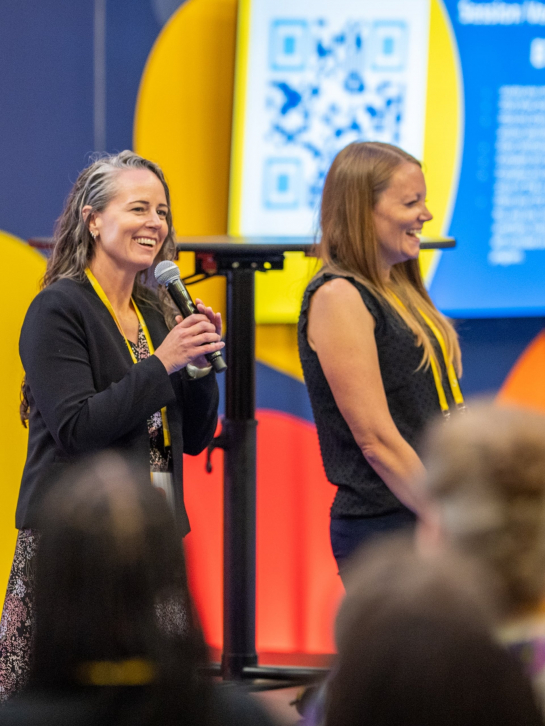
At the center of this growing movement is the upcoming LEARN Conference 2026, slated for October 27, 2026, in Portland, Oregon. Designed to bring together a dedicated community of advocates, educators, healthcare providers, and family support specialists, the conference aims to deliver practical strategies, fresh insights, and meaningful professional connections. For those unable to attend in person, related initiatives such as special rebroadcasts of the LEARN Research and Science Plenary continue to expand access, helping participants understand how family, community, and systemic factors actively shape children’s development.
The Science of the First Three Years and the Strains Facing Modern Families
The push for early childhood advocacy comes at a time of mounting economic and emotional pressure for families across the nation. Recent reports paint a troubling reality of life for households with infants and toddlers. Data highlighting national trends reveal that economic uncertainty, emotional distress, and systemic strain intensified significantly over the past year, even as parents fought valiantly to provide stability, care, and love for their young children.


These mounting pressures intersect directly with a national child care crisis often described as a paradox: families are forced to pay more than they can afford for child care, while the very educators who make early learning possible remain among the lowest-paid workers in the country. The resulting squeeze leads to program closures, financial distress for parents, and an unstable environment for the youngest children who rely on consistent, high-quality care.

In response, organizations dedicated to early childhood advocacy are working tirelessly to support parents, caregivers, and professionals who shape the daily lives of infants and toddlers. By bridging the gap between cutting-edge research and practical application, these initiatives offer community care resources, research-based parenting tips, and professional training programs designed to foster healthy development from the very beginning.

Empowering Professionals and Fostering Emotional Well-Being
Understanding child development is an essential tool for helping caregivers guide babies and toddlers through their earliest developmental milestones. Organizations in the early childhood sector provide extensive resources, including targeted training programs for professionals across early learning, pediatric health care, mental health services, and community family support systems. Through conferences, free webinars, and specialized curricula, these programs deepen participants’ understanding of early childhood development and strengthen effective practices.

Among the featured resources making an impact in the field is Word Wonders, a free early language and literacy curriculum designed to help children absorb language through everyday play, complete with activity guides and songs. Other specialized resources tackle modern challenges, such as navigating screen time. Tools offering practical questions help parents balance media use with healthy play, face-to-face social interactions, and outdoor exploration. Furthermore, emerging topics like the integration of artificial intelligence in early childhood are being closely examined to ensure technology serves to enhance, rather than detract from, human-centric care.

Mental and emotional health in infancy and early childhood forms another critical pillar of this work. Babies and toddlers can and do experience mental health challenges stemming from trauma, neglect, biological factors, or stressful environmental situations. To combat this, experts provide dedicated resources and training for adults on how to nurture emotional well-being in the very young. This includes focusing on adult emotional regulation—highlighting why a parent’s ability to stay calm and manage parenting stress is directly linked to a child’s capacity for emotional self-regulation.

Professional Growth and Collaborative Solutions
The LEARN Conference 2026 and its companion events offer immersive opportunities for professional development and self-reflection. Sessions scheduled for the upcoming gathering in Portland extend far beyond traditional classroom techniques. Programs such as "Partnering with Mother Nature: Wellness and Healing" explore how the natural world can support healing, reflection, and relational well-being through somatic awareness, storytelling, and Indigenous wisdom. Other targeted sessions, like "Designing Infant Rooms That Encourage Autonomy, Exploration, and Discovery" and "Unpacking the ‘Invisible Backpack,’" utilize guided reflection and creative activities to strengthen participants’ capacity for self-aware, culturally responsive practice.

These professional development opportunities resonate deeply with attendees who view the work as both a calling and a necessity. As past conference participants have noted, engaging with a nationwide community of peers provides the vital motivation needed to sustain long-term commitment in a challenging field.

Beyond individual classrooms and clinics, systemic advocacy remains a cornerstone of the movement. Organizations are actively collaborating with state legislators and national policymakers to influence public policy decisions regarding early childhood education, child welfare, and sustainable child care solutions. By engaging in rigorous research and advocacy campaigns, these groups strive to ensure that the unique developmental needs of infants and toddlers remain a top priority in legislative agendas.

Whether through grassroots community care initiatives, specialized professional training, or large-scale national advocacy efforts like the Strolling Thunder demonstrations in Washington, D.C., the message remains clear: supporting a child in their first 1,000 days is an investment that lasts a lifetime. By uniting parents, caregivers, community leaders, and policymakers as "baby champions," the early childhood sector continues to build a robust foundation where every child receives the strong start they deserve.