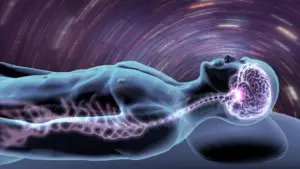








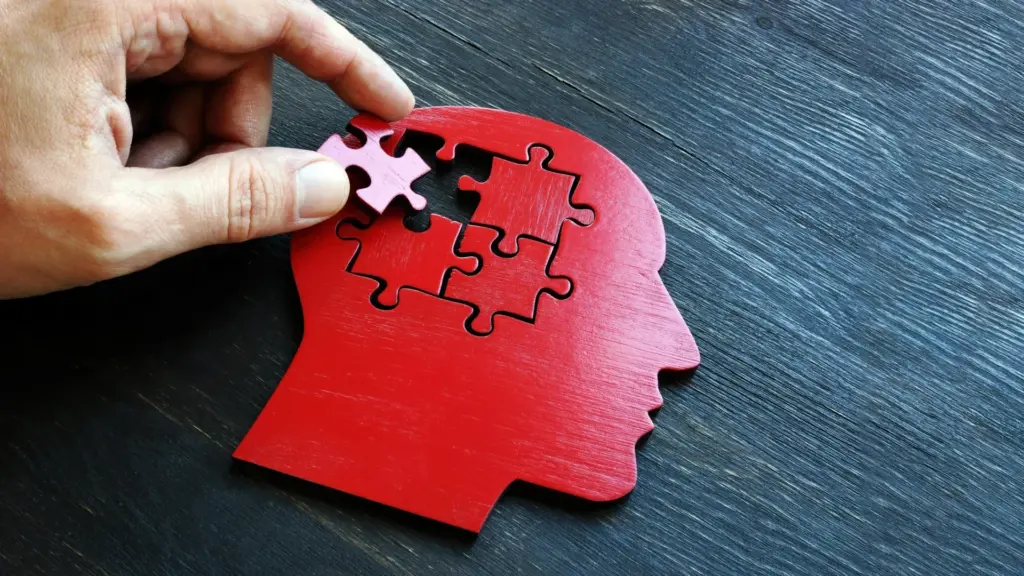
Alzheimer’s disease has long been defined by its devastating impact on memory, cognition, and personality—a condition viewed primarily as a disease of the brain. However, groundbreaking new research from the University of Central Florida (UCF) suggests that the clinical picture of Alzheimer’s may be far more expansive than previously understood. Scientists have discovered that the genetic mutations associated with this neurodegenerative condition can directly interfere with the peripheral nerves that control muscle movement, even in the complete absence of the brain or spinal cord.
This discovery, published in Alzheimer’s & Dementia: The Journal of the Alzheimer’s Association, offers a potential explanation for a long-standing clinical puzzle: why many patients experience unexplained changes in their gait, balance, and coordination years before their cognitive decline becomes apparent. By identifying that these movement deficits may originate outside the central nervous system, researchers are now questioning whether current treatment paradigms, which focus almost exclusively on the brain, might be missing critical therapeutic targets in the rest of the body.
A Paradigm Shift in Understanding Alzheimer’s Progression
The research team, led by James Hickman, a professor at UCF’s Nanoscience Technology Center, and Research Professor Xiufang "Nadine" Guo, collaborated with the healthcare technology firm Hesperos to investigate the mechanics of familial Alzheimer’s disease. This rare, inherited form of the disease typically manifests earlier in life—often between the ages of 40 and 65—than the more common, late-onset variety.

For decades, clinicians have observed that patients often struggle with physical motor tasks long before they exhibit the classic symptoms of confusion or memory loss. Traditionally, these movement issues were dismissed as secondary consequences of brain degeneration. The prevailing theory held that as the brain’s higher-order centers deteriorated, the signals sent to the muscles became distorted.
However, the UCF team’s findings challenge this assumption. Through a series of experiments using advanced "human-on-a-chip" technology, the researchers demonstrated that motor neurons carrying Alzheimer’s-linked mutations could independently disrupt the delicate connections responsible for muscle control.
"Motor deficits may be an earlier indication [of Alzheimer’s]," says Guo. "If we can detect those changes and intervene earlier, that could help delay the onset of central nervous system symptoms."
The implications for this are profound. If movement disorders are not merely a byproduct of brain damage but are instead an early manifestation of the disease’s systemic reach, then the peripheral nervous system could serve as a vital diagnostic "canary in the coal mine." Early detection via gait analysis or physical testing could allow for earlier clinical intervention, potentially slowing the progression of the disease before it reaches its most debilitating stages in the brain.
The Power of "Human-on-a-Chip" Technology
To achieve these insights, the research team employed an innovative laboratory platform known as "human-on-a-chip" technology, developed by Hesperos. This system allows for the creation of miniature, functional human physiological models that bring different types of cells together under highly controlled, real-world conditions.
Unlike traditional in vitro experiments, which isolate cells in a petri dish, or animal models, which often fail to replicate the nuances of human disease, these chip-based systems mimic the complex interactions between different tissues. For this specific study, the researchers constructed a miniature model of the neuromuscular junction—the critical interface where a motor neuron meets a muscle cell to facilitate movement.
Crucially, the team designed this model to function without any involvement from a brain or spinal cord. By combining healthy muscle cells with motor neurons derived from stem cells carrying familial Alzheimer’s mutations, they were able to isolate the biological process of communication between the nerve and the muscle.
The results were unequivocal. The Alzheimer’s-associated mutations directly impaired the transmission of signals between the nerve and the muscle, leading to measurable dysfunction. "This is the first time it’s been demonstrated that deficits in the peripheral nervous system can arise directly from these mutations," Hickman notes. "It means drugs that target the brain may not fix problems in the rest of the body."
Understanding the Neuromuscular Connection
The process of human movement is a miracle of biological engineering. Every voluntary action, from the simple act of taking a step to the complex coordination required to lift an object, relies on a seamless chain of communication. An electrical signal travels down the motor neuron to the neuromuscular junction, where it triggers a chemical release that forces the muscle to contract.
When this connection is compromised, the muscle’s response to nerve signals weakens, leading to fatigue, poor coordination, and a compromised gait. To quantify these effects, the UCF team measured the consistency and duration of muscle contractions in their model. They found that the presence of the Alzheimer’s-associated mutation significantly hampered the ability of the muscles to sustain contractions, mirroring the physical deterioration often seen in patients.
"You can’t move unless the motor circuit works," says Hickman, drawing a parallel to the common clinical test of a knee-jerk reflex, which evaluates the health of that exact neuromuscular circuit. By demonstrating that this circuit is directly affected by Alzheimer’s genetics, the researchers have effectively widened the scope of what constitutes an "Alzheimer’s symptom."
Future Implications for Treatment and Detection
The researchers are quick to caution that while these findings are significant, they do not definitively prove that peripheral nerve damage precedes memory loss in all patients. Further research is required to determine how closely these laboratory findings map onto the progression of the disease in humans, particularly in those with the more common, non-familial forms of Alzheimer’s.
Nevertheless, the potential for a shift in diagnostic strategy is clear. If medical professionals can utilize physical assessments—such as specialized gait and coordination testing—to identify early warning signs, it could transform how we approach Alzheimer’s screening. Currently, most diagnostics are focused on cognitive or neurological assessments; adding a focus on peripheral motor function could provide a broader, more accurate picture of a patient’s health.
Furthermore, the discovery highlights a potential blind spot in pharmaceutical development. If a large portion of the disease process occurs outside the central nervous system, then therapeutic agents that only target the brain may be insufficient to stop the disease’s total impact on the body. Understanding these distinct peripheral effects could lead to a dual-pronged approach, where future treatments protect both physical function and cognitive health simultaneously.
For Hickman, this study represents the culmination of thirty years of effort to move beyond the limitations of traditional, reductionist laboratory models. "These systems let us study disease in a way that’s closer to what actually happens in the human body, and that’s what we need to develop better treatments," he says.
As researchers continue to refine these human-on-a-chip models, they believe this technology will prove instrumental in evaluating drug efficacy. By observing how treatments affect the interaction between nerve and muscle tissues, scientists can better predict which therapies will succeed in clinical trials and which will fall short.
Ultimately, this research serves as a reminder that Alzheimer’s disease is a complex, multi-systemic condition. While the brain remains the primary site of its most devastating effects, the body as a whole is participating in the disease process. By looking beyond the confines of the cranium, the scientific community may finally be gaining the perspective necessary to change the trajectory of this, and other, neurodegenerative conditions. As the team at UCF continues its work, the medical community will be watching closely to see how this new understanding of peripheral nerve involvement changes the way we diagnose and treat one of the modern world’s most daunting health challenges.