







In a significant move to unify the global response to the COVID-19 pandemic, the Access to COVID-19 Tools Accelerator (ACT-Accelerator) has officially published its consolidated investment case. This comprehensive roadmap, supported by the detailed, costed plans of its member organizations, outlines a strategic pathway to overcome the health crisis by accelerating the development, manufacturing, and equitable distribution of essential medical tools.
Launched in late April 2020, the ACT-Accelerator was conceived as a landmark collaborative effort. The initiative was unveiled during a high-profile event co-hosted by the Director-General of the World Health Organization (WHO), the President of France, the President of the European Commission, and the Bill & Melinda Gates Foundation. Since its inception, the partnership has brought together a diverse coalition of governments, international health organizations, scientific researchers, private businesses, civil society leaders, and philanthropists, all united by a singular, urgent mission: to bring a definitive end to the pandemic.
The urgency of this initiative is underscored by the devastating human toll of the virus, which has already claimed nearly half a million lives. The ACT-Accelerator’s partner organizations have worked with unprecedented speed to develop implementable plans designed to drastically reduce mortality rates and curb the spread of severe disease. By ensuring that new diagnostic tools, therapeutic treatments, and vaccines reach every corner of the globe, the coalition aims not only to protect fragile health systems but also to facilitate the restoration of societal and economic activity in the near term, while providing a framework for high-level disease control in the medium term.
The Financial Roadmap and Investment Case
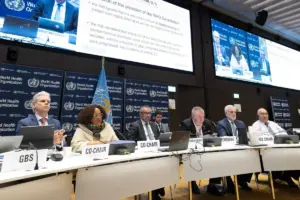
The investment case released today provides a stark look at the financial requirements needed to turn these strategic plans into reality. To achieve the ambitious targets set by the coalition, the ACT-Accelerator is calling for a total of US$31.3 billion. This funding is earmarked for the research, development, procurement, and deployment of diagnostics, therapeutics, and vaccines.
As of the current report, US$3.4 billion has been pledged by contributing nations and partners. While this represents a critical start, it leaves a daunting funding gap of US$27.9 billion. Of that total, US$17.1 billion is considered an immediate requirement to launch the most urgent interventions, meaning the current shortfall for immediate needs stands at US$13.7 billion.
While the figures are undeniably significant, proponents of the plan argue that the cost of inaction is far higher. The total investment requested is less than one-tenth of what the International Monetary Fund (IMF) estimates the global economy is losing every single month due to the pandemic. By investing in the ACT-Accelerator’s pillars, stakeholders are not merely funding health tools; they are investing in the stability of the global economy and the prevention of further catastrophic loss of life. The core philosophy of the investment case is rooted in equity: the tools developed through these efforts will benefit the entire world, with specific provisions to ensure that low- and middle-income countries (LMICs) have the infrastructure and supplies necessary to participate in the global recovery.
The Four Pillars of the ACT-Accelerator
The operational success of the ACT-Accelerator relies on a collaborative framework organized into four specialized pillars, each led by experienced global health entities.
The diagnostics pillar, co-led by FIND and the Global Fund to Fight AIDS, Tuberculosis and Malaria, focuses on the power of early detection. Its goals are ambitious: to save 9 million lives and prevent an estimated 1.6 billion further infections. With sufficient funding, this pillar aims to bring two to three high-quality, rapid diagnostic tests to market, provide training for 10,000 healthcare professionals across 50 countries, and establish testing capacity for 500 million people in low- and middle-income regions. The success of this pillar is fundamentally tied to the ability of nations to implement effective test, trace, and isolate strategies, which are essential for minimizing the disruption of routine health services and preparing the groundwork for the eventual rollout of vaccines and treatments.
The therapeutics pillar is led by Unitaid and the Wellcome Trust, representing the COVID-19 Therapeutics Accelerator. This arm is dedicated to accelerating the research, manufacturing, and equitable distribution of life-saving treatments at all stages of the disease. The target is to ensure that 245 million courses of treatment are made available to populations in low- and middle-income countries within a 12-month window, ensuring that access is determined by medical need rather than geography or economic status.
The vaccine pillar represents one of the most complex logistical challenges in modern medical history. It combines the technical expertise of the Coalition for Epidemic Preparedness Innovations (CEPI) in vaccine development, the distribution and access track record of GAVI, and the regulatory oversight and policy guidance of the WHO. The primary goal is the rapid development, safe manufacturing, and equitable delivery of 2 billion vaccine doses by the end of 2021. To reach this target, assuming a safe and effective candidate is identified, the estimated cost is up to US$18.1 billion. Furthermore, the plan accounts for the procurement of 950 million doses for self-financing high-income and upper-middle-income countries through the COVAX Facility. These figures remain subject to change, contingent on the specific technology of successful vaccine candidates and the number of doses required to achieve population immunity.
Finally, the health systems connector serves as the backbone of the entire initiative. Led by the World Bank and the Global Fund to Fight AIDS, Tuberculosis and Malaria, and supported by the WHO, this pillar ensures that local community networks and national health systems are equipped to deploy the tools generated by the other three pillars. This involves strengthening laboratory capacity, training staff, managing the supply chain for personal protective equipment, and implementing system-wide innovations such as contact tracing and community engagement programs. The connector recognizes that global health security is only as strong as the weakest health system; therefore, shoring up these systems is a prerequisite for defeating the virus.
A Call to Global Solidarity
The publication of these costed plans serves as a definitive call to action for the international community. While many governments and corporations have already signaled their support through financial commitments, the US$27.9 billion funding gap remains a formidable obstacle.
To bridge this divide, the "Global Goal: Unite for Our Future" campaign, which culminates in a major concert and summit on June 27, is mobilizing citizens worldwide. The event aims to provide a platform for world leaders, private sector executives, and philanthropists to announce new commitments to the ACT-Accelerator. By driving a collective effort to address global inequities, the campaign seeks to provide the necessary resources to develop and distribute tests, treatments, and vaccines, while helping to rebuild communities devastated by the socio-economic impacts of the pandemic.
The ACT-Accelerator is not intended to be a new, monolithic organization or a central decision-making body. Rather, it acts as a flexible, collaborative framework that brings together the world’s leading health organizations to leverage their existing expertise and resources. By fostering unprecedented levels of cooperation, the coalition aims to bypass the typical barriers to global health initiatives, ensuring that the best available science is translated into tangible, life-saving outcomes for everyone, everywhere.
As the pandemic continues to unfold, the work of the ACT-Accelerator stands as a testament to the power of multilateralism. By focusing on the intersection of diagnostic development, therapeutic innovation, vaccine equity, and robust health system reinforcement, the initiative seeks to navigate a path out of the crisis. With the investment case now public, the focus shifts to the global community to provide the essential funding required to translate these plans into a reality that restores global health and economic security.