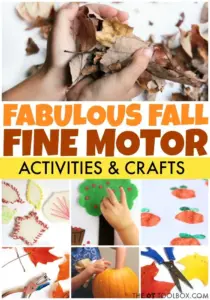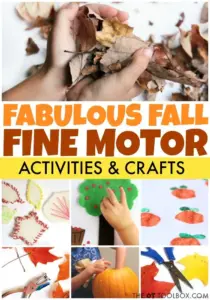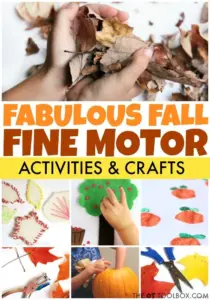








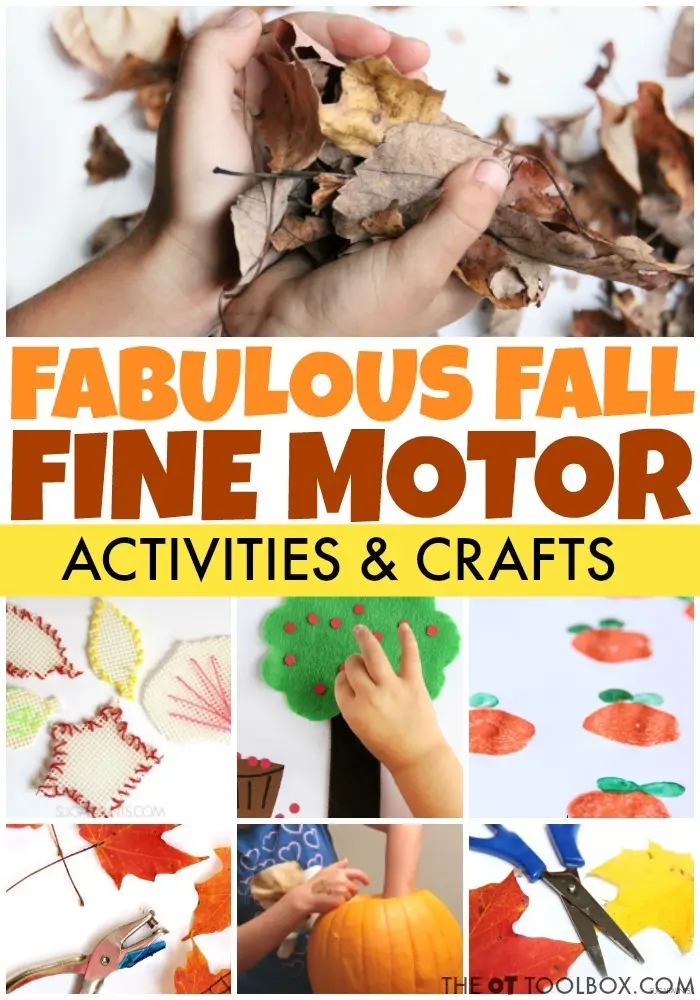
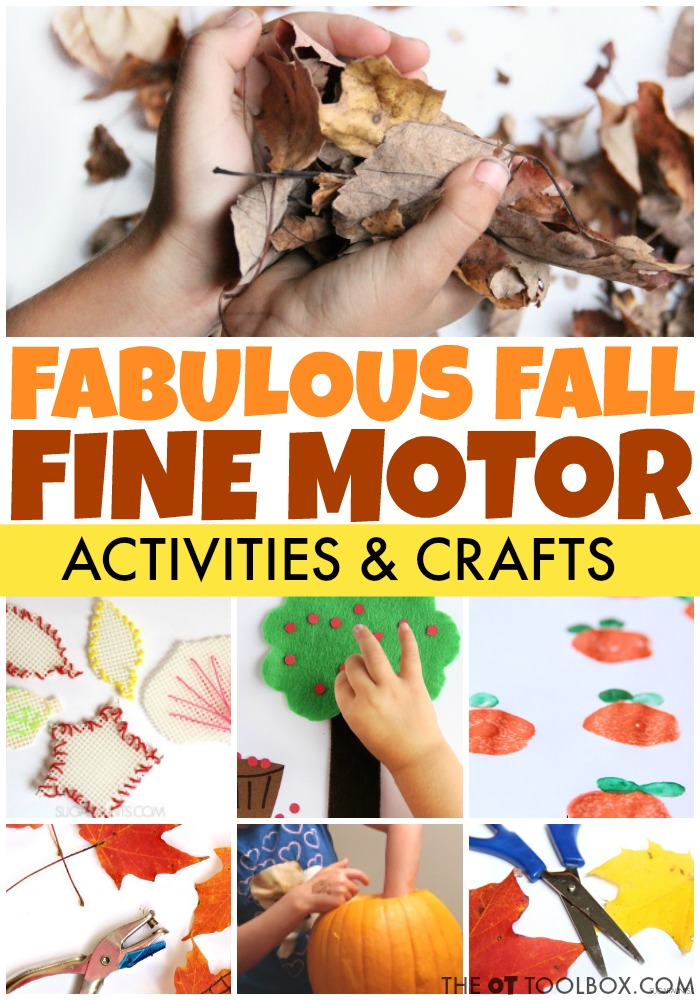
As crisp autumn air settles in and the landscape transforms with vibrant shades of red, orange, and gold, educators and pediatric occupational therapists are turning to the changing season to support child development. While autumn-themed crafts and sensory play have long been staples of classrooms and therapy clinics, experts emphasize that seasonal materials like apples, leaves, pumpkins, acorns, and farm elements can be strategically deployed to target specific fine motor needs. Rather than selecting activities merely for their festive appeal, professionals are leveraging these natural elements to address foundational developmental milestones, including hand strength, finger dexterity, scissor proficiency, visual-motor integration, and handwriting mechanics.
The shift toward seasonal integration comes as pediatric specialists continuously look for engaging ways to combat developmental hurdles without making exercises feel clinical or burdensome to children. From toddlers experimenting with sensory bins to older students refining their handwriting endurance, autumn offers a rich array of tactile and visual stimuli. Many of these seasonal tasks address multiple developmental domains simultaneously, allowing therapists and educators to adapt single activities based on a child’s unique therapeutic targets.
Fall Hand Strength Activities
Building adequate hand and finger strength is critical for everyday tasks, ranging from managing clothing fasteners like buttons and zippers to manipulating writing utensils effectively. When hand muscles are under-developed, children often fatigue quickly during academic tasks. Therapists frequently incorporate resistive mediums, such as specialized doughs and rubber bands, to build intrinsic muscle tone in the hands without the child perceiving the exercise as strenuous work.
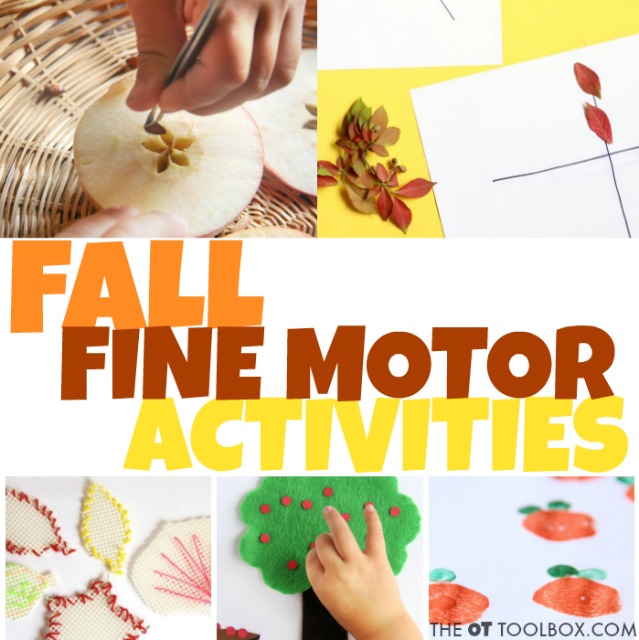
Apple-themed geoboards serve as a prime example of targeted resistance training. By stretching heavy-duty rubber bands across wooden or plastic pegs to recreate specific apple designs, children encounter controlled resistance that engages the small muscles of the fingers and hands. This process requires precise placement and controlled release, which concurrently fosters bilateral coordination, visual-motor planning, and spatial awareness. Therapists can easily modify the challenge by adjusting the thickness of the bands or simplifying the visual grid patterns for children who find the spatial demands too complex.
Similarly, traditional play dough exercises take on a seasonal dimension during the autumn months. The natural resistance of squishing, rolling, pinching, and pressing dough provides vital proprioceptive sensory feedback while actively developing hand arches and wrist stability. Pediatric specialists often hide small items—such as miniature autumn leaves, seasonal erasers, or colored beads—within the dough to encourage targeted pincer grasps and in-hand manipulation. Hole-punching activities utilizing printed apple or leaf outlines offer another effective avenue for building sustained hand force, requiring continuous grip power combined with precise visual-motor alignment.
Enhancing Manual Dexterity Through Seasonal Manipulatives
Manual dexterity requires the coordinated, precise movement of the fingers to handle small objects efficiently. When dexterity breaks down, children often struggle with speed, precision, and the refined finger movements necessary for advanced academic and self-care tasks. Autumn provides an abundance of small manipulatives—such as craft pom-poms, seeds, mini erasers, paper clips, and small craft materials—that can easily transform standard play into targeted dexterity training.
Geoboards featuring seasonal motifs, such as intricate fall trees, require children to manipulate elastic bands around individual pegs using only their fingertips rather than grasping with the entire hand. This encourages refined pincer movements, stretching, repositioning, and controlled release.
On-the-go activities, such as apple-themed paper clip counting cards, offer another practical method for exercising fingertip precision and bilateral coordination. By requiring a child to stabilize a laminated card with one hand while opening and positioning small paper clips with the other, therapists address bilateral integration alongside number concepts. Similarly, transferring fall-colored pom-poms into ice cube trays or muffin tins using tongs or tweezers allows professionals to grade the fine motor demand continuously by altering the size of the tools or the objects themselves.
Scissor Skills and Cut-and-Paste Mechanics
Scissor use remains a notoriously complex milestone that requires the two hands to perform entirely distinct yet synchronized actions. While the dominant hand repeatedly opens and closes the scissors, the non-dominant helper hand must simultaneously stabilize, rotate, and guide the paper along a visual path. Autumn-themed cutting practice pages and hands-on crafts provide meaningful contexts for children to refine these abilities.
Specialists often utilize apple-cutting practice sheets to evaluate how a child approaches cutting tasks, observing whether they maintain a stable thumb-up grasp, exhibit adequate reciprocal hand movements, or struggle with smooth paper rotation. Beyond printed lines, natural autumn leaves offer a sensory-rich alternative. Allowing children to snip real fallen leaves into small pieces or cut around natural margins introduces varied textures while reinforcing line awareness and bilateral coordination.
For more complex executive functioning demands, farm-themed cut-and-paste crafts require children to sequence multiple steps. Beyond merely cutting out shapes, participants must visually determine where pieces belong, orient them correctly according to directions, and glue them into precise positions. This multifaceted approach engages visual-spatial skills, direction-following, and sustained attention alongside foundational scissor mechanics.
Integrating Visual-Motor and Handwriting Development
A child may possess adequate hand strength and finger dexterity yet still struggle academically if they experience difficulties with visual-motor integration. This crucial skill involves coordinating visual input with physical output, enabling a child to copy designs, follow lines, locate targets, and maintain proper spacing during writing tasks.
Fall-directed drawing activities bridge this gap by prompting children to observe a model of an acorn, leaf, or pumpkin and reproduce its spatial relationships on paper. Pattern blocks and seasonal "I Spy" seek-and-find puzzles further challenge visual discrimination, figure-ground perception, and sustained visual attention. Therapists often enhance these visual searches by incorporating physical components, such as having children mark found objects using clothespins or small manipulatives to reinforce pincer strength concurrently.
When transitioning to literacy tasks, structured writing prompts centered around autumn themes allow educators to address handwriting mechanics within meaningful contexts rather than through isolated drill work. Depending on an individual student’s developmental stage, practitioners can target specific components such as baseline adherence, letter formation, spacing, and writing endurance. Emerging writers may focus on a single seasonal vocabulary word, while more advanced students plan and execute descriptive paragraphs.
No-Prep and Sensory-Rich Autumn Interventions
Beyond structured printables and clinic materials, everyday natural elements found outdoors provide immediate, no-prep opportunities to support motor development. Interacting with the environment allows children to tear, crumple, punch, cut, sort, and string autumn leaves or harvest seeds from pumpkins and sunflowers. Activities as simple as crushing crisp leaves underfoot satisfy auditory processing needs while promoting bilateral coordination, crossing the midline, and grasp strength.
Specialized crafts, such as creating thumbprint pumpkins or assembling sunflower seed decorations, specifically target the radial side of the hand and finger isolation. The distal thumb flexion required during thumbprint painting directly supports the mature tripod grasp utilized later in pencil management. Similarly, dyeing and sorting pumpkin seeds or manipulating plastic bread ties into seasonal shapes offers tactile feedback while refining the intricate hand movements necessary for lifelong independence.
As educators and therapists plan their seasonal schedules, utilizing ready-made resources helps streamline the integration of these developmental strategies. By anchoring motor interventions in the sensory-rich experiences of the autumn season, professionals can effectively support children in building the strength, coordination, and confidence required for daily academic and functional success.