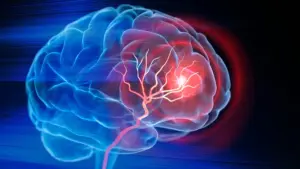








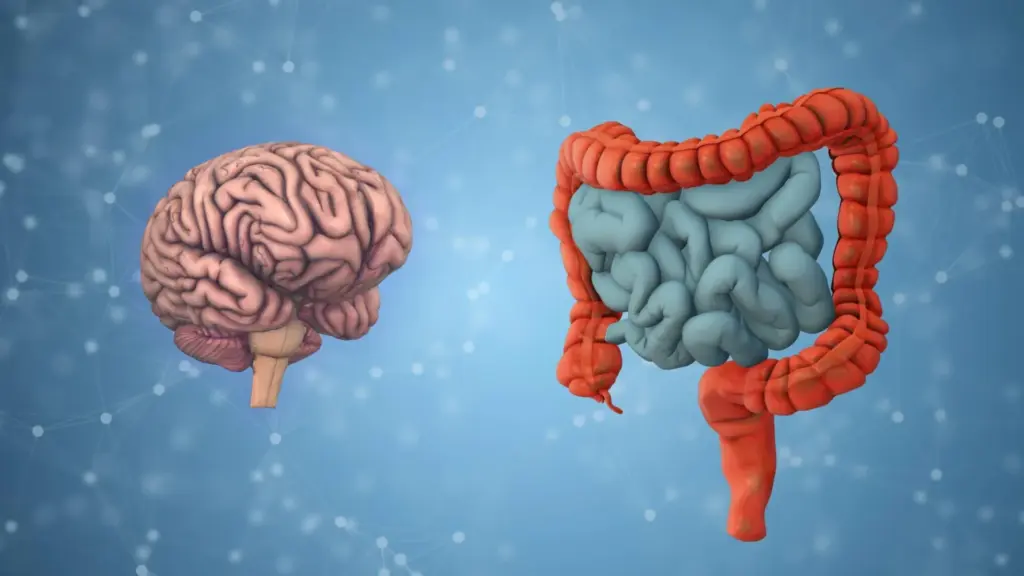
A groundbreaking study led by researchers at UCLA Health has unveiled a compelling connection between the microscopic world of the human gut and the macroscopic health of the human brain. The research suggests that the trajectory of brain aging—often thought of as an inevitable process associated with the later stages of life—may be deeply intertwined with the composition of gut bacteria and the chemical compounds they generate. These findings offer a transformative perspective on neurological health, indicating that the biological markers of cognitive decline may be detectable decades before any outward signs of memory loss or impaired executive function manifest.
Understanding the Concept of "Brain Age"
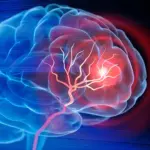
For years, neuroscientists have utilized sophisticated brain imaging techniques to calculate a metric known as "brain age." While chronological age is a simple tally of the years a person has lived, brain age serves as a biological snapshot, estimating the physiological state of the brain’s structure and function. Previous clinical investigations have consistently demonstrated that when an individual’s brain appears structurally or functionally "older" than their chronological years, it is frequently correlated with a decline in memory, diminished processing speed, and increased susceptibility to mood disorders.
Historically, however, the vast majority of research in this field has been confined to older populations or individuals who had already been diagnosed with significant neurological or psychiatric conditions. This limitation created a significant gap in medical knowledge: does a brain that appears "older" hold clinical significance for younger, ostensibly healthy adults? By focusing almost exclusively on those already experiencing decline, the scientific community struggled to determine whether these indicators were early warning signs or simply reflections of existing pathology.

Measuring the Brain Aging Index
To bridge this gap, a team of UCLA Health researchers embarked on a comprehensive study, the results of which were recently published in the journal eBioMedicine. The researchers analyzed high-resolution brain scans from a diverse cohort of nearly 1,500 adults. By dividing these participants into three distinct groups, the team aimed to capture a broader spectrum of health and age-related biological data.
The methodology utilized by the research team involved a non-invasive scanning approach designed to measure "functional connectivity"—the way in which different regions of the brain communicate and synchronize with one another while the individual is at rest. By observing these patterns, the scientists developed a sophisticated computer model capable of estimating a person’s biological age based on the efficiency and maturity of these neural connections.
Once the model estimated the "brain age," researchers compared it to the participant’s chronological age. The delta between these two numbers was designated as the "Brain Aging Index" (BAI). This index serves as a proxy for how accelerated or decelerated an individual’s neural aging process is compared to the norm, providing a quantifiable metric for researchers to examine in relation to cognitive performance and biological markers.
The Link Between Brain Structure, Memory, and Mood
The findings revealed a consistent and troubling correlation across all three study groups. Participants who exhibited a higher Brain Aging Index—meaning their brain scans suggested they were biologically older than their chronological age—consistently performed worse on standardized tests of executive function and working memory. These cognitive abilities are critical for everyday life, enabling individuals to retain information, maintain focus, manage complex tasks, and organize their thoughts.
Furthermore, the research identified a significant relationship between these accelerated brain aging patterns and mental health. Individuals with a higher BAI reported a greater frequency and severity of depressive symptoms. Notably, the neural patterns associated with these findings were concentrated in regions of the brain responsible for memory and self-referential thought—the mental processes that allow individuals to reflect on their own identities, experiences, and personal history. The fact that these correlations appeared in younger, healthier cohorts suggests that the roots of cognitive and mood-related decline may be planted much earlier in life than previously suspected.
The Microbiome Connection: Investigating the Gut-Brain Axis
One of the most innovative aspects of the UCLA study was the inclusion of stool samples for one of the participant groups. This allowed researchers to investigate whether the observed variations in brain aging were linked to the composition of the gut microbiome. The results were striking: a higher Brain Aging Index was indeed associated with the presence of specific gut bacteria and unique metabolic byproducts.
Among the compounds identified were specific fat molecules, a cholesterol-related compound, and lower levels of a hormone known as estetrol. These findings suggest that the gut is not merely a digestive organ but a complex chemical factory that may exert a profound influence on the brain. The metabolic pathways identified in the study involved critical biological processes, including immune system regulation, the integrity and function of blood vessels, the efficiency of communication between neurons, and the cellular mechanisms that generate energy.
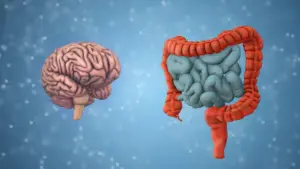
This data reinforces the growing theory of the "gut-brain axis," a bidirectional communication network that links the enteric nervous system in the gut with the central nervous system in the brain. The study provides empirical weight to the idea that the chemical environment of the gut can modulate, or perhaps even dictate, the health and aging process of the brain.
Implications for Early Intervention and Prevention
The discovery that signs of brain aging may be detectable decades before clinical symptoms appear represents a paradigm shift in neurology. Dr. Arpana Church, the study’s senior author and co-director of the Goodman-Luskin Microbiome Center at UCLA Health, emphasized the significance of these findings during a discussion on the study’s broader implications.
"Brain aging doesn’t suddenly begin when we get older, but the biological signals may be detectable decades earlier," Dr. Church explained. "By linking these early brain changes with the gut microbiome and its metabolites, we are beginning to identify pathways that could ultimately help us understand who may be at risk and, importantly, where we might intervene to support healthier brain aging. This ultimately opens the door to exploring whether targeting gut health could one day support healthier brain aging."
Dr. Church noted that the study serves as a critical first step toward identifying individuals at a higher risk of cognitive decline early in life. By identifying these "at-risk" profiles, the medical community may one day be able to implement preventative strategies long before memory issues or mood disorders become debilitating. Furthermore, the findings elevate the gut microbiome as a potential therapeutic target. If the health of the gut is indeed a primary driver of neural aging, then dietary interventions, probiotic therapies, or other methods of modulating the gut microbiome could provide a new, non-invasive frontier in the fight against age-related cognitive decline.
As researchers continue to decode the complex signaling pathways between the gut and the brain, the focus will likely shift toward how these biological signals can be monitored in clinical settings. The UCLA Health study provides a foundational framework, suggesting that the path to a healthier, more resilient brain may begin not in the neurology clinic, but in the dietary and microbial landscape of the gut. While further research is required to translate these findings into specific medical treatments, the study offers a hopeful, proactive vision for the future of brain health, suggesting that the aging process may be more malleable—and more manageable—than previously believed.