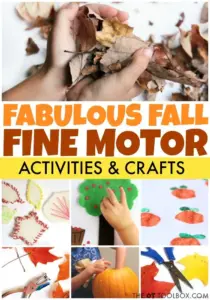



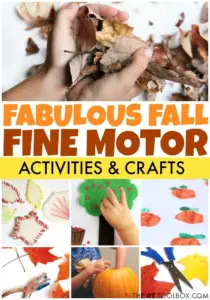





As the crisp autumn air settles in and the foliage transforms into vibrant shades of crimson and gold, educators, parents, and occupational therapists are embracing the seasonal shift to support children’s developmental milestones. Rather than selecting autumn crafts and play themes purely for seasonal enjoyment, specialists are increasingly leveraging familiar fall motifs—such as apples, leaves, pumpkins, acorns, and farm harvests—to target specific, clinical fine motor needs in young learners.
The transition into fall offers a natural abundance of sensory-rich materials that can be easily integrated into both therapeutic settings and everyday play. Experts emphasize that these seasonal tools provide an engaging pathway for children to build foundational capabilities such as hand strength, finger dexterity, scissor proficiency, visual-motor integration, and handwriting mechanics. Many of these activities are inherently multi-dimensional, addressing several developmental targets simultaneously through thoughtful adaptation.
Leveraging Autumn Themes for Targeted Developmental Growth
The incorporation of seasonal materials into developmental strategies allows practitioners to address underlying physical challenges without making the exercises feel like repetitive or arduous work. For example, therapists utilize apple-themed geoboards where children stretch rubber bands across pegs to recreate specific fruit designs. This simple exercise delivers essential resistance to the fingers and hands while simultaneously fostering bilateral coordination, visual-motor planning, and controlled release mechanics. Practitioners can easily modify the challenge by adjusting the thickness of the bands or simplifying visual patterns to match a child’s current ability level.
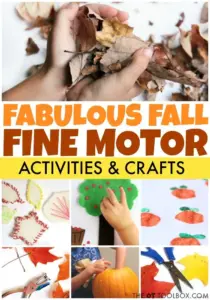
Play dough remains a cornerstone of pediatric occupational therapy, regardless of the calendar month, but autumn variations offer unique sensory and physical benefits. Rolling, squeezing, pinching, and pressing tactile dough provides the small muscles of the hands with proprioceptive sensory feedback while actively developing arch support, wrist stability, and pincer grasps. Specialists often enhance these sessions by hiding miniature seasonal items—such as tiny plastic leaves, autumn erasers, or colored beads—within the dough, or by utilizing printable shape cards that encourage children to mold specific fall objects.
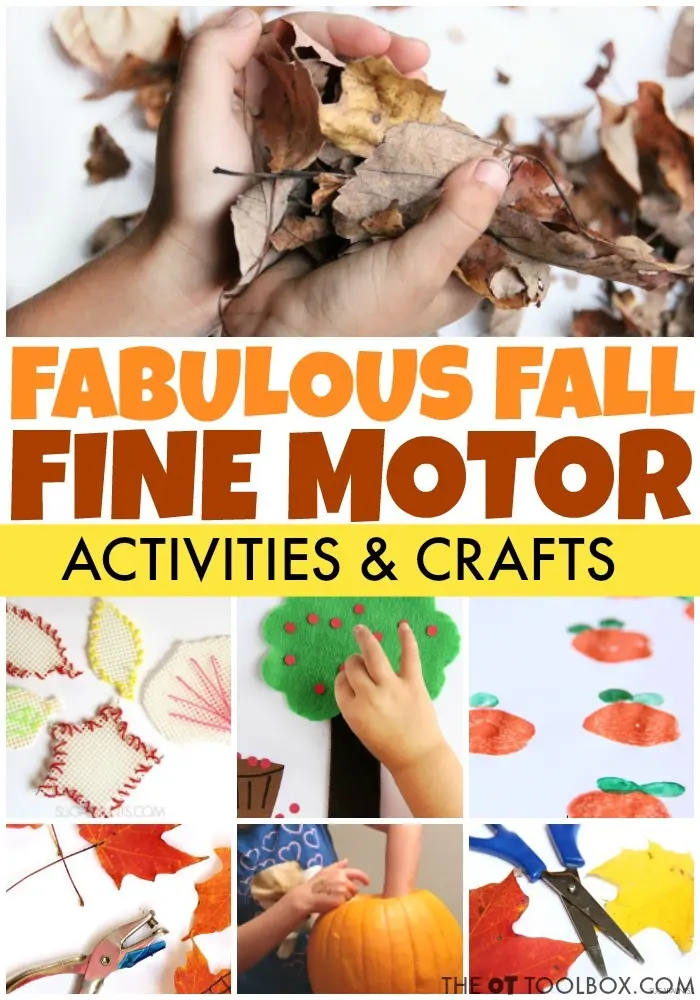
Precision and tool use also take center stage through seasonal tasks like apple hole-punching activities. Operating a standard hole punch requires sustained muscular force from the hand, while positioning the tool along the printed edges of an apple shape introduces a vital visual-motor component that bridges strength and accuracy.
Fostering Manual Dexterity and Bilateral Coordination
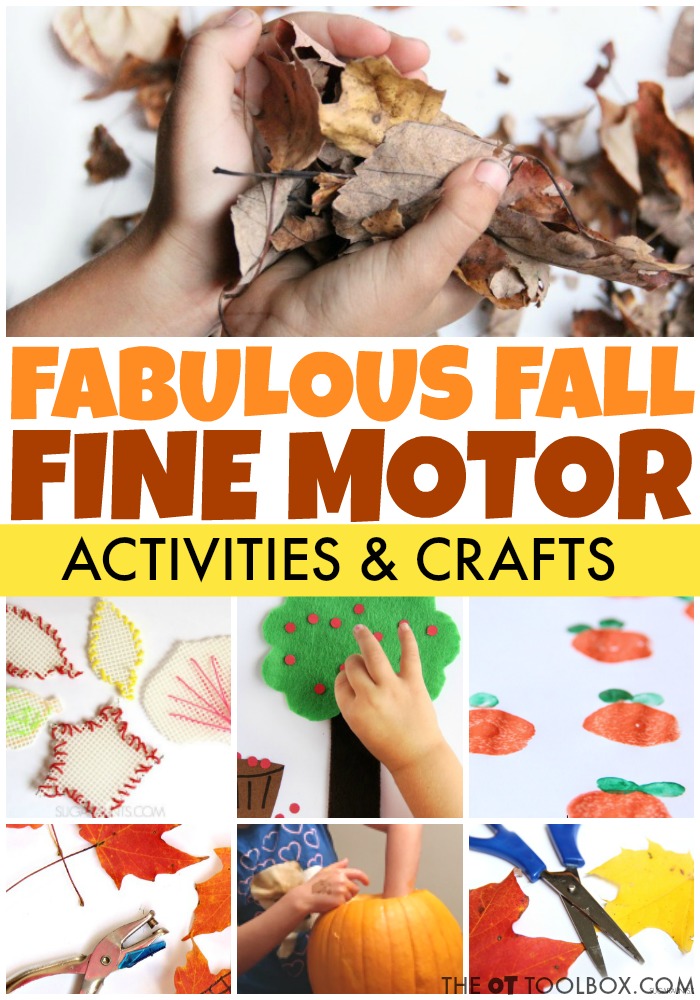
Manual dexterity relies heavily on the coordinated, precise movement of individual fingers, combining speed, spatial awareness, and strength. When these areas break down, children often struggle with everyday manipulation tasks. To counter this, therapists introduce fall-themed manipulatives such as craft pom-poms, seeds, mini erasers, paper clips, and small craft materials to transform standard play into targeted fine motor practice.
Fall tree geoboards and apple-counting paper clip exercises serve as practical examples of how everyday items foster fine motor refinement. When children attach numbered paper clips to laminated apple cards, they engage in precise fingertip movements while practicing bilateral hand use, as one hand must stabilize the card while the other manipulates the fastener. Similarly, transferring fall-colored pom-poms into ice cube trays using tongs or tweezers allows practitioners to grade the difficulty of the task by altering the size of the objects or the resistance of the tools.
Scissor skills represent another critical area of development where autumn themes provide practical engagement. Apple-cutting practice pages and leaf-snipping exercises require the dominant hand to operate the scissors while the non-dominant helper hand stabilizes and rotates the paper. Therapists observe these cutting sessions closely to assess how children handle bilateral integration, paper positioning, and thumb alignment. For children living in regions without changing foliage, paper leaves or basic craft supplies offer an accessible alternative for practicing line awareness and snip cuts. Furthermore, cut-and-paste farm crafts elevate these demands by requiring children to cut out specific components, visually determine their correct orientation, follow a multi-step assembly sequence, and glue them into place.
Integrating Visual-Motor and Handwriting Development
A child may possess adequate hand strength and dexterity yet still experience difficulties when a task requires visual-motor integration—the ability to coordinate visual input with precise hand movements. Autumn-themed directed drawing exercises help address this by prompting children to observe a model of an acorn, pumpkin, or leaf and reproduce its spatial relationships on paper. Pattern blocks and seasonal "I Spy" seek-and-find sheets further enhance visual discrimination, scanning abilities, and sustained attention, particularly when paired with fine motor actions like circling items or attaching clothespins to identified targets.
Handwriting interventions also benefit significantly from seasonal frameworks. Rather than practicing isolated letter formations on blank paper, educators utilize themed writing prompts that allow students to practice handwriting within a meaningful context. These prompts can be easily differentiated across a diverse caseload, allowing emerging writers to practice a single fall vocabulary word, beginning writers to compose a full sentence, developing writers to answer a short prompt, and older students to plan and draft complete paragraphs focusing on line awareness, spacing, and letter sizing.
No-Prep Solutions and Everyday Sensory Integration
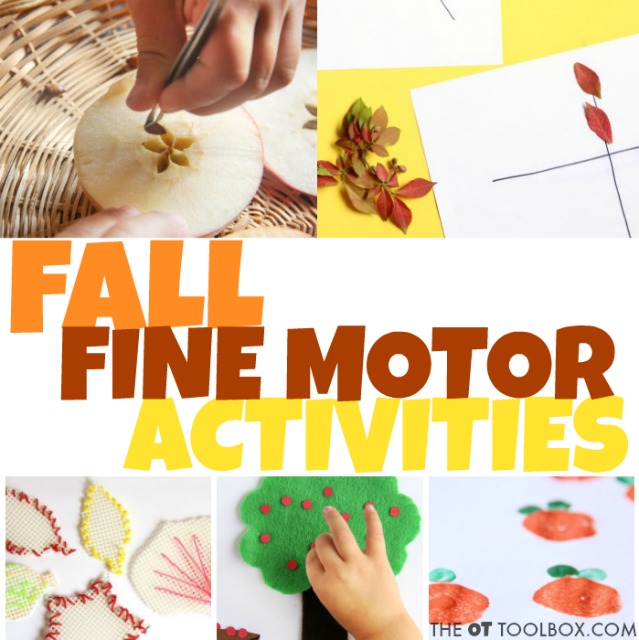
Beyond structured printables and specialized materials, natural outdoor elements provide immediate, no-prep opportunities for developmental support. Yard leaves can be torn, crumpled, punched, cut, sorted, or strung, while acorns provide ideal weights for tong-transfer and counting exercises. Everyday items like bread ties offer unexpected resistance training through manipulation tasks, such as crafting whimsical autumn ghosts from discarded bag closures.
Specialists note that sensory-driven activities, such as crunching autumn leaves underfoot, simultaneously support auditory processing, bilateral coordination, crossing the midline, and grasp strengthening. Similarly, coloring and scooping pumpkin seeds—whether harvested directly from carved pumpkins or dyed with liquid watercolors—help refine the pincer grasp, in-hand manipulation, and arch development necessary for advanced fine motor control.
As professionals and families continue to plan their seasonal schedules, readily available resources such as curated membership platforms and developmental booklets offer comprehensive collections of print-and-go materials. By integrating these targeted autumn activities into daily routines, educators and therapists ensure that children continue to build the essential physical foundations required for lifelong learning and independence, all while celebrating the vibrant spirit of the season.