





By Michelle Diament | October 16, 2026
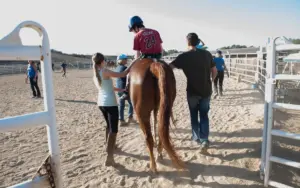
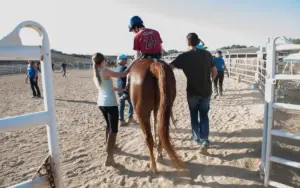
Riding horses or simply spending time around them can make a substantial difference for children and teenagers diagnosed with autism, helping to significantly reduce hyperactivity, decrease irritability, and boost essential social skills, according to new research published this month.
In a comprehensive study involving 236 children with autism and co-occurring psychiatric conditions, researchers discovered that participating in either a structured therapeutic horseback riding program or engaging in supervised barn activities brought about meaningful, measurable benefits. The findings shed new light on how non-traditional, animal-assisted interventions can complement conventional clinical therapies for youth facing complex developmental and behavioral challenges.

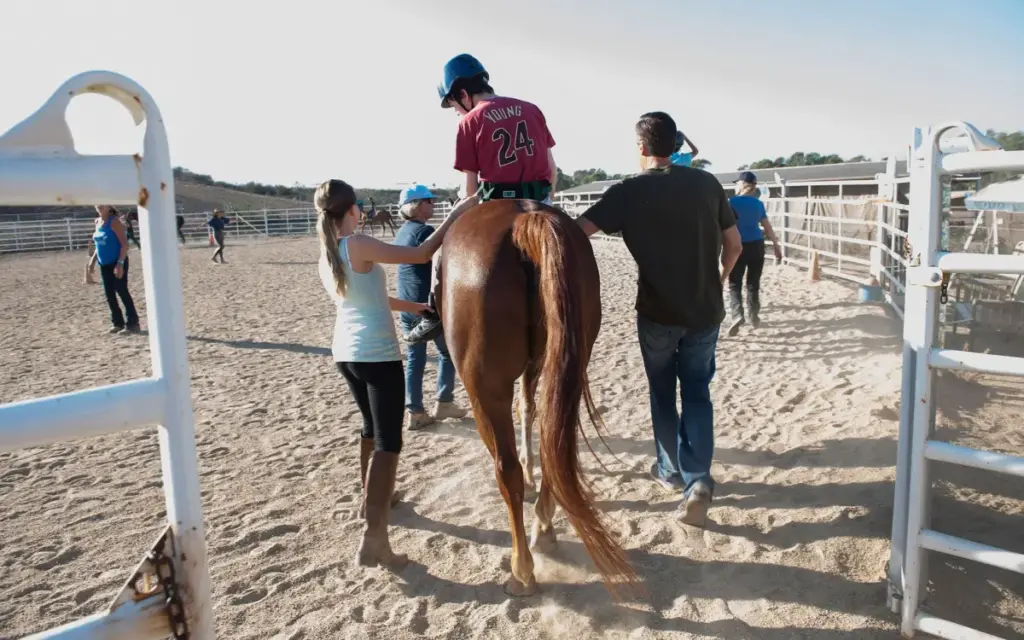
The study, which focused on participants ranging from 6 to 16 years old, utilized a rigorous design to compare different types of exposure to horses. Some children participating in the research were assigned to receive therapeutic horseback riding lessons once a week for a duration of 10 weeks. Others took part in a separate barn activity group, where they were able to see, observe, and experience the environment of the horses, but did not directly mount or physically interact with the animals. A third cohort served as a comparison group, experiencing an initial waiting period before participating in barn activities for five weeks, followed by five weeks of hands-on riding lessons.
When analyzing the behavioral outcomes across the groups, the researchers found that both the active riding program and the ground-level barn activities led to significant drops in irritability and hyperactivity among the participants. Furthermore, the children demonstrated noticeable improvements in emotional regulation and everyday social behaviors, according to the findings published in the journal Pediatrics.
However, a closer examination of the data revealed a distinct advantage for those who physically mounted and rode the animals. The greatest impact on hyperactivity specifically was observed among the children assigned to the riding group, highlighting the unique physical and sensory contributions of actual horseback riding.
"There is something about riding a horse that is particularly helpful for kids with hyperactivity," said Robin Gabriels, a professor of psychiatry at the University of Colorado who led the multi-site research team.
The rhythmic motion of the horse, combined with the concentration required to maintain balance and direct the animal, provides a complex sensory-motor experience that is difficult to replicate in a traditional clinical setting. While researchers emphasized that horseback riding is not a universal solution and may not be appropriate or accessible for every child on the autism spectrum, the results suggest it serves as a highly effective complementary approach alongside existing therapeutic frameworks.
Working with horses provides children with an active, dynamic, and engaging environment that naturally encourages focus and social connection. For many participants, the barn and the corral offer a welcome departure from sterile office environments, translating into developmental gains that can sometimes be harder to unlock through standard talk therapy or behavioral interventions alone.
As families and clinicians continuously seek out diverse ways to support youth with developmental disabilities and co-occurring psychiatric conditions, findings from studies like this provide valuable empirical backing for animal-assisted programs operating in communities across the country.