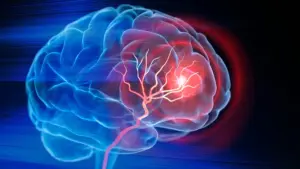








In a significant advancement for neurological medicine, researchers at the University of Birmingham have unveiled a promising new strategy to curb harmful inflammation in the brain. By pinpointing a specific receptor—the P2X7 receptor—that acts as a primary catalyst for neuroinflammatory responses, the team has identified a potential therapeutic pathway that could be addressed using existing pharmaceutical compounds. This discovery, published in the journal Brain, offers a beacon of hope for treating a wide spectrum of debilitating conditions, ranging from neurodegenerative diseases like Alzheimer’s and Parkinson’s to traumatic brain injury and various psychiatric disorders.
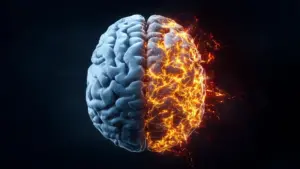
Neuroinflammation is increasingly recognized by the scientific community as a common denominator in the progression of many brain-related illnesses. While inflammation is a natural and necessary immune response to injury or infection, its chronic activation within the delicate environment of the central nervous system can lead to severe tissue damage and cognitive decline. Led by Professor Nicholas Barnes of the University of Birmingham’s College of Medicine and Health, the research team sought to understand the molecular mechanisms that drive this damaging process, ultimately focusing on the P2X7 receptor as a critical control switch.
Blocking a Key Driver of Brain Inflammation
The P2X7 receptor has long been a subject of interest in immunology, but its role as a master regulator of inflammatory signaling in the human brain has now been brought into sharper focus. Under normal circumstances, these receptors assist in the orchestration of the brain’s immune response; however, when over-activated or dysregulated, they trigger a cascade of events that exacerbate tissue damage.
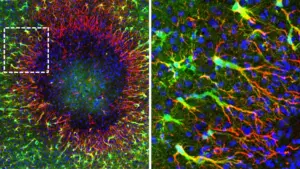
To investigate this, the researchers utilized a dual-pronged approach, combining live cultures of human brain cells with slices of actual human brain tissue salvaged from neurosurgical procedures. This allowed the team to observe the physiological effects of the receptor in a real-world, human-centric model rather than relying solely on animal surrogates, which often fail to replicate the complexity of human brain pathology.
The study revealed that P2X7 receptors are instrumental in the release of cytokines—small, powerful proteins that act as messengers in the inflammatory process. By stimulating these receptors, the brain’s cells promote a state of heightened inflammation that, if left unchecked, becomes self-perpetuating and toxic. The breakthrough occurred when the researchers applied a specific antagonist—a substance that inhibits the receptor’s function—to the tissue samples. The results were immediate and profound: the inflammatory response within the human brain tissue was significantly curtailed.
"This exciting discovery marks a major step toward repurposing existing therapeutics to combat neuroinflammation at its source," Professor Barnes explained. The implications are far-reaching. Because the P2X7 receptor is already a known target in other areas of pharmacology, the possibility of “drug repurposing”—using medications that have already cleared safety trials for other uses—could drastically accelerate the timeline for bringing new treatments to patients suffering from Alzheimer’s, Parkinson’s, Multiple Sclerosis, and even inflammation-linked psychiatric conditions like schizophrenia and depression.
Studying the Brain’s Immune Cells
Central to this research are microglia, the specialized immune cells of the central nervous system. These cells act as the brain’s primary sentinels, constantly patrolling the environment and coordinating the response to injury, infection, or cellular debris. In healthy conditions, they maintain homeostasis; however, in disease states, their behavior can become erratic, contributing to the very inflammation they are meant to resolve.
One of the most persistent hurdles in neuroscience has been the difficulty of studying these cells in a laboratory setting. Once microglia are extracted from the protective, tightly regulated environment of the living brain, they tend to lose their characteristic identity and functional properties almost instantly. This rapid “de-differentiation” has made it notoriously difficult for scientists to study human microglial biology with any degree of accuracy or longevity.
To overcome this, the Birmingham team developed a sophisticated, scalable method for converting human peripheral monocytes—a type of white blood cell harvested from standard blood samples—into microglia-like cells. This transformation process is particularly compelling because it mirrors a biological shift identified in the human brain during the natural aging process. By creating these monocyte-derived microglia, the researchers established a reliable, virtually unlimited platform for investigating how human immune cells react to inflammatory signals.
"Studying human microglia has long been a major challenge: once removed from their native brain environment, they rapidly lose their defining characteristics, likely due to the absence of critical regulatory signals," said Professor Barnes. "Our approach involved the use of monocyte-derived microglia which provide a powerful, scalable, and virtually unlimited platform for studying human microglial biology with unprecedented precision."
By observing these laboratory-grown cells, the researchers were able to witness the exact moment the P2X7 receptor began to drive the inflammatory signal. When the cells were subjected to stress and began to die—a process that typically triggers a massive inflammatory alarm in surrounding tissue—the team introduced the P2X7 antagonist. The drug successfully intercepted the signals being broadcast by the dying microglia, effectively silencing the inflammatory response before it could spiral out of control.
From Lab Models to Human Brain Tissue
Having established the efficacy of the P2X7 antagonist in the monocyte-derived cell models, the next and most critical phase of the study was to validate these findings in actual human tissue. This transition from synthetic cell culture to human brain tissue obtained via neurosurgery was the ultimate test of the hypothesis. The consistency of the results across both experimental models serves as a powerful validation of the underlying mechanism.
The success of these trials in human tissue has provided the research team with a clear roadmap for the future. The ability to dampen neuroinflammation in human samples without causing systemic harm suggests that targeting the P2X7 receptor could be a viable therapeutic strategy for conditions where current medical interventions are either non-existent or largely ineffective.
"Having identified the response in the human monocyte-derived microglia, this provided the impetus to translate these findings with human brain obtained following neurosurgical procedures," Professor Barnes noted. "This successful translation means the next stage for this research is the development of clinical trials in patients with neurodegenerative conditions and patients with TBI where there are no effective pharmacological treatments to reduce the neuroinflammation and arising damage."
The move toward clinical trials represents a major shift in the management of traumatic brain injury and neurodegenerative diseases. Currently, many of these conditions are managed by treating individual symptoms rather than the underlying inflammatory pathology that drives disease progression. By potentially silencing the P2X7-mediated inflammatory response, clinicians may soon have a way to protect brain tissue from secondary damage following an acute injury or to slow the insidious progression of cognitive decline in diseases like Alzheimer’s.
As the research team looks toward the horizon, the focus will shift to identifying which existing pharmacological agents are best suited for clinical application and designing the protocols for human testing. If the results continue to hold, the repurposing of P2X7 antagonists could become a cornerstone of modern neuro-pharmacology, offering a new, accessible, and potentially transformative approach to treating some of the most challenging conditions in medicine today. Through the lens of this new research, the future of brain health appears to be rooted in the ability to quiet the immune system’s overzealous response, allowing the brain to heal and function with renewed stability.