






WASHINGTON, DC — In the wake of the administration’s ongoing push to strengthen American families, leading early childhood development organizations have voiced strong approval for the federal roadmap ahead. ZERO TO THREE, the nation’s leading early childhood development nonprofit dedicated to ensuring all infants and toddlers have a strong start in life, has announced its formal encouragement following the release of President Biden’s proposed fiscal year 2025 budget. According to the organization, the sweeping federal spending blueprint includes essential and much-needed funding for programs specifically designed to build a solid foundation for young children and their families across the United States.
The announcement underscores a critical moment in federal policy discussions regarding the wellbeing of the youngest members of society. For decades, advocates have pointed to the earliest years of human development as the most crucial window for cognitive, emotional, and physical growth. With the unveiling of the fiscal year 2025 budget, leadership at ZERO TO THREE believes the administration has taken a monumental step toward aligning national resources with the actual needs of infants, toddlers, and the parents who raise them.
"If implemented, President Biden’s budget released today will make our nation a better and fairer nation to have and raise a baby," said Miriam Calderón, Chief Policy Officer at ZERO TO THREE, highlighting the far-reaching implications of the funding proposals.
Calderón noted that the organization has consistently urged both Congress and the Administration to prioritize the unique needs of babies and their families across five key pillars of public policy: maternal health, infant and early childhood mental health, child care, housing, and economic security. These five areas represent the foundational framework of the organization’s comprehensive advocacy efforts, encapsulated by initiatives like the ongoing State of Babies campaign, which tracks the well-being of infants and toddlers down to the state level.
The release of the fiscal year 2025 budget closely follows the President’s State of the Union address, where the administration outlined a broader vision aimed at economic empowerment and expanded family choices. According to policy experts, the newly detailed budget expands significantly on that vision by translating broad political commitments into concrete financial proposals. These line items aim to address virtually every major facet of young children’s development, ensuring that federal investments target the environments where children live, learn, and grow.
Child development advocates have long argued that economic security at home directly correlates with healthy childhood outcomes. When families struggle to secure stable housing, afford quality child care, or access adequate healthcare before and after birth, the cumulative stress can negatively impact infant development. By proposing targeted investments across these interdependent sectors, the fiscal year 2025 budget attempts to create a safety net that protects families from the cascading effects of poverty and instability.
Among the critical areas championed by ZERO TO THREE and reflected in broader federal budget discussions are maternal health initiatives. Ensuring that mothers receive comprehensive prenatal and postpartum care is widely recognized as a prerequisite for infant health. Complications during pregnancy and childbirth disproportionately affect vulnerable communities, and the administration’s budget proposals seek to mitigate these disparities through enhanced federal support.

Furthermore, the emphasis on infant and early childhood mental health marks a growing recognition that very young children experience trauma, stress, and relational health issues long before they enter formal schooling. Providing resources for infant mental health consultations in child care settings and community health centers helps identify developmental challenges early, allowing professionals to intervene before minor issues become entrenched developmental delays.
Child care infrastructure represents another monumental hurdle for American families. With the cost of infant care often rivaling the cost of higher education, many parents find themselves priced out of the workforce or forced to rely on unregulated, substandard care arrangements. Federal investments aimed at stabilizing the child care sector, increasing compensation for early educators, and expanding access for low- and middle-income families are viewed by child advocates as vital economic drivers that allow parents to work while ensuring their children are in safe, stimulating environments.
Housing and economic security round out the core priorities identified by the nonprofit. Stable housing provides the physical safety required for healthy brain development, while economic security measures—such as tax credits and assistance programs—directly reduce the household stress that can impede responsive parenting.
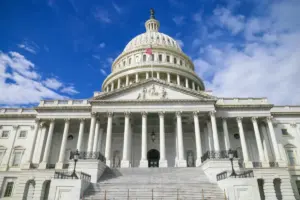
While the release of the budget marks a significant milestone in the legislative calendar, advocates emphasize that the policy journey is far from over. The unveiling of a presidential budget serves primarily as a statement of national priorities, setting the stage for months of intensive negotiations on Capitol Hill. Transforming these proposed figures into enacted law requires bipartisan cooperation and dedicated leadership from lawmakers who champion the needs of constituents who cannot yet vote or advocate for themselves.

"Now, Congress must work with the Administration to deliver for families and babies," Calderón said, stressing the urgency of the legislative road ahead. "We look forward to working with Congressional appropriators and our baby champions on the Hill to make these bold proposals a reality."
As the budget process moves forward in Washington, organizations like ZERO TO THREE intend to mobilize grassroots supporters, policy experts, and community leaders to ensure that the needs of infants and toddlers remain at the forefront of congressional debates. For advocates of early childhood development, the fiscal year 2025 budget represents not just a set of financial allocations, but a vital litmus test of the nation’s commitment to its youngest generation.