





By Michelle Diament | October 16, 2026
Riding horses or simply spending structured time around them can make a profound difference for children with autism, helping to significantly reduce hyperactivity while meaningfully boosting critical social skills and emotional regulation, according to new research published this month in the prominent medical journal Pediatrics.
The comprehensive study, which followed 236 children diagnosed with autism spectrum disorder alongside co-occurring psychiatric conditions, adds robust scientific weight to the growing field of equine-assisted therapies. Researchers discovered that participating in either an active therapeutic horseback riding program or structured barn activities brought about substantial, measurable behavioral benefits for participants ranging from ages 6 to 16.

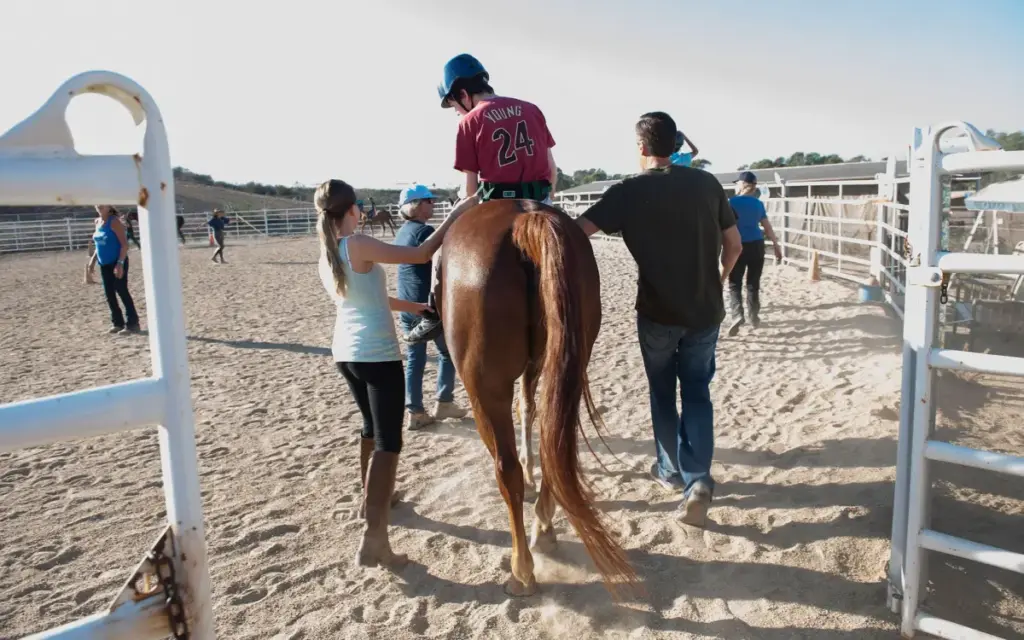
The clinical trial was carefully structured to compare different levels of interaction with the animals. Children participating in the study were divided into specific groups. Some participants were assigned to receive traditional therapeutic horseback riding sessions once a week for a duration of 10 weeks. Others took part in a designated barn activity group where they were exposed to horses, observed them closely, and engaged in stable management or educational tasks, but did not actually mount or ride the animals. A third group served as a control mechanism, undergoing a waiting period before participating in the barn activities for five weeks, followed by another five weeks of actual riding lessons.
When researchers analyzed the behavioral data collected throughout the trial, they observed that both the mounted riding program and the unmounted barn activities led to significant, welcome drops in irritability and hyperactivity among the children. Furthermore, the findings revealed noticeable improvements in overall emotional regulation and day-to-day social behaviors.
However, the study highlighted a distinct difference in outcomes when it came to specific symptom categories. The most pronounced and impactful reduction in hyperactivity was observed specifically among the children who participated in the active riding group, pointing to a unique therapeutic mechanism inherent to riding.
"There is something about riding a horse that is particularly helpful for kids with hyperactivity," said Robin Gabriels, a professor of psychiatry at the University of Colorado Anschutz Medical Campus who led the extensive research project.
While the researchers emphasized that horseback riding and equine-assisted activities are not a universal cure-all and may not be appropriate or accessible for every child on the autism spectrum, their findings strongly suggest that these programs serve as an exceptionally valuable therapeutic avenue. They can easily be utilized to supplement existing behavioral, educational, and clinical treatments that families already have in place.
For many families navigating the complex world of developmental disability interventions, finding therapies that engage children holistically can be a persistent challenge. Traditional clinical environments, while necessary and effective, often rely heavily on sedentary, structured talk therapy or table-top exercises that can sometimes test the patience and attention spans of children struggling with severe hyperactivity or emotional regulation difficulties.
Equine therapy, by contrast, introduces an entirely different dynamic. The rhythmic, repetitive movement of a horse provides continuous sensory input that can help calm and organize the central nervous system. At the same time, the social and environmental context of a barn requires focus, communication, and responsiveness to both the animal and the instructors.
"Working with horses gives these kids a chance to do something active, social, and engaging," Gabriels noted, discussing the broader implications of the study’s results. "For some children, that may be a particularly effective way to help them develop skills that can be difficult to teach in a traditional clinical environment."
The publication of these findings in Pediatrics is expected to provide further validation for therapeutic riding centers across the country, which have long relied on anecdotal success stories from parents and instructors to demonstrate their value. With rigorous clinical data now pointing to specific improvements in hyperactivity, irritability, and social functioning, advocates hope the research will lead to broader mainstream acceptance and potentially expanded insurance coverage or community-based program funding for equine therapies tailored to youth with developmental and psychiatric conditions.