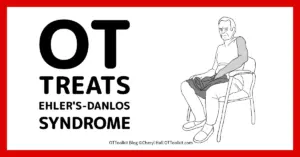

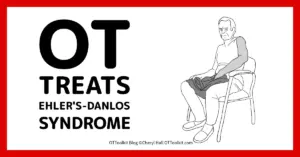







The collaborative nature of the occupational therapy community is one of its most enduring strengths, providing a vital bridge between clinical practice and the development of essential educational resources. Recently, this spirit of cooperation was on full display when a practitioner from Tennessee reached out with a poignant request. The therapist noted that a patient living with Ehlers-Danlos Syndrome (EDS) had expressed frustration regarding the lack of a dedicated treatment guide for their condition within the Occupational Therapy Toolkit. This observation served as a catalyst for a broader discussion on how the profession can better serve the complex, multi-system needs of those living with this rare connective tissue disorder.
Ehlers-Danlos Syndrome is a condition that has historically presented challenges in clinical settings, partly due to its rarity and the diverse, often invisible nature of its symptoms. For many practitioners, the diagnosis may not be a frequent feature of their daily caseload, yet the impact of the syndrome on a patient’s daily life is profound. Recognizing the necessity for specialized guidance, the author of the Occupational Therapy Toolkit has committed to incorporating a dedicated EDS treatment guide in the forthcoming edition of the resource. While the 8th edition was released as recently as 2024, the immediate need for clinical guidance has prompted this deep dive into the intersection of EDS and occupational therapy, ensuring that therapists have the information they need to support their patients in the interim.
At its core, Ehlers-Danlos Syndrome is a group of hereditary connective tissue disorders that fundamentally affect how the body synthesizes and utilizes collagen, the protein that provides structure and strength to skin, blood vessels, bones, and organs. Medical science has identified 13 distinct types of EDS, each with unique genetic underpinnings and symptomatic presentations. Despite this variation, the most common clinical markers include significant joint hypermobility, persistent joint instability, and chronic pain. Patients also frequently report skin that is highly fragile, prone to easy bruising, tearing, and delayed healing. Beyond these musculoskeletal issues, the syndrome often presents with a range of systemic manifestations, including debilitating fatigue, dizziness upon standing—often associated with autonomic dysfunction—and complex digestive concerns.
The role of the occupational therapist in managing these diverse challenges is multifaceted and profoundly impactful. Because EDS affects so many systems, the interventions provided by OTs are essential in easing symptoms, fostering greater autonomy, and significantly improving the patient’s quality of life. One of the primary areas of focus for OTs is joint protection. Given that patients with EDS are prone to painful hyperextension and chronic joint discomfort, therapists play a crucial role in modifying daily tasks to reduce stress on the body. This involves a comprehensive approach that includes instructing patients on safe, non-traumatic methods for managing pain, as well as the professional design and fitting of splints to provide external stability where internal collagen structures fall short.
Beyond joint protection, energy conservation is a critical pillar of intervention for patients with EDS. The persistent fatigue associated with the syndrome can be overwhelming, often making simple, everyday activities feel insurmountable. Occupational therapists work closely with their patients to develop sophisticated pacing and planning strategies, ensuring that energy expenditures are balanced throughout the day. By carefully analyzing the patient’s routine, OTs can recommend task modifications that minimize unnecessary physical strain, helping patients maintain their independence without triggering debilitating "crashes" that often follow overexertion.
The integration of adaptive equipment serves as another vital component of the therapeutic strategy. While joint protection and energy conservation provide the foundation, specific tools—such as reachers, modified kitchen utensils, or mobility aids—can act as force multipliers for independence. OTs are uniquely positioned to evaluate the patient’s home, school, and work environments, identifying potential hazards that could lead to falls or community mobility challenges. This ergonomic assessment is not merely about comfort; it is a clinical intervention designed to minimize repetitive movements and alleviate the chronic joint strain that characterizes life with EDS. By recommending specific software or hardware, therapists can help patients create an environment that supports their physical limitations rather than exacerbating them.
A more nuanced but equally critical aspect of treatment involves addressing the proprioceptive deficits that often accompany hypermobility. Because the joints are overly lax, the body’s ability to sense its own position, movement, and location in space—proprioception—can be significantly compromised. This lack of "body awareness" can lead to frequent stumbles, awkward movements, and an increased risk of injury. Occupational therapists utilize targeted therapeutic exercises specifically designed to improve proprioceptive feedback, thereby enhancing the patient’s sense of stability and protecting joint health through better neuromuscular control.
It is also important to acknowledge that EDS rarely exists in a vacuum. Many patients must navigate a constellation of co-occurring symptoms, including sleep disturbances, significant mental health challenges, chronic migraines, gastrointestinal issues, and various autoimmune responses. The holistic training of occupational therapists allows them to look beyond the joints and skin to provide interventions that address these systemic issues. Whether it is modifying a sleep environment, implementing strategies for stress management, or adapting daily routines to account for gastrointestinal flare-ups, the OT’s role is to provide a comprehensive, patient-centered approach to care.
While the current version of the Occupational Therapy Toolkit may not yet feature a specific section titled "Ehlers-Danlos Syndrome," it remains an invaluable resource for therapists working with this population. The existing library of materials—ranging from foundational treatment guides and ADL (Activities of Daily Living) handouts to educational materials on ergonomics and therapeutic exercises—can be readily adapted to meet the specific requirements of EDS patients. The versatility of these resources ensures that clinicians can continue to provide evidence-based care while the field waits for the updated, condition-specific modules.
For professionals seeking to deepen their clinical understanding, The Ehlers-Danlos Society stands as the premier resource for information. Their professional portal offers a wealth of data for healthcare providers, including accredited continuing education courses, the latest clinical research findings, and a global directory of medical professionals who have developed expertise in diagnosing and treating the various manifestations of the syndrome. Utilizing these specialized resources in tandem with established occupational therapy protocols allows for a collaborative, informed approach that prioritizes the patient’s long-term health and wellbeing.
The feedback provided by the Tennessee-based therapist highlights the vital, ongoing conversation between clinicians and the resources they use in their practice. By identifying gaps in clinical literature and advocating for better tools, therapists directly contribute to the evolution of the profession. The author of the Occupational Therapy Toolkit has expressed deep appreciation for this proactive feedback and continues to invite members of the occupational therapy community to share their ideas, suggestions, and clinical experiences. This open line of communication is essential for ensuring that resources remain relevant, accurate, and truly representative of the diverse needs of patients across the healthcare landscape. As the field of occupational therapy continues to adapt to the complexities of rare conditions like Ehlers-Danlos Syndrome, such collaborative efforts will remain the cornerstone of effective, compassionate, and evidence-based practice.