The collaborative nature of the occupational therapy community remains one of its most vital assets, serving as a catalyst for professional growth and improved patient outcomes. Recently, this community-driven spirit was highlighted when a practicing occupational therapist from Tennessee reached out with a poignant inquiry regarding the Occupational Therapy Toolkit. The therapist, who had been working closely with a patient diagnosed with Ehlers-Danlos Syndrome (EDS), questioned why a dedicated treatment guide for such a complex, multifaceted condition was not yet represented in the widely utilized resource.
For those who rely on the Occupational Therapy Toolkit for clinical guidance, this request served as a significant reminder of the evolving needs of patients living with rare conditions. While the author of the toolkit noted that they had not personally treated a patient with EDS during their own clinical tenure, the request underscored a critical truth about the profession: occupational therapists are uniquely positioned to intervene in ways that can profoundly ease symptoms, foster greater independence, and enhance the overall quality of life for those grappling with connective tissue disorders.
In response to this feedback, plans are already underway to integrate a comprehensive EDS treatment guide into the next edition of the Occupational Therapy Toolkit. Given that the 8th edition was only recently released in 2024, this current update serves as an important bridge, offering a dedicated examination of Ehlers-Danlos Syndrome and the essential role that occupational therapy plays in its management.
Ehlers-Danlos Syndrome is a complex group of connective tissue disorders characterized by systemic irregularities in how the body produces and utilizes collagen. Because collagen acts as the fundamental "glue" that provides structure and strength to the body’s tissues, its dysfunction can lead to a wide array of symptoms that challenge a patient’s daily functional capacity. At present, medical science has identified 13 distinct types of EDS, each with its own unique genetic origin and clinical presentation. Despite this variety, there are common threads that connect the experiences of many patients. These include marked joint hypermobility, persistent joint instability, and chronic pain. Furthermore, the condition often manifests as fragile skin that is prone to tearing, stretching, and bruising. Beyond these musculoskeletal markers, patients frequently report systemic issues, including debilitating fatigue, dizziness upon standing, and complex gastrointestinal concerns that require careful, ongoing management.
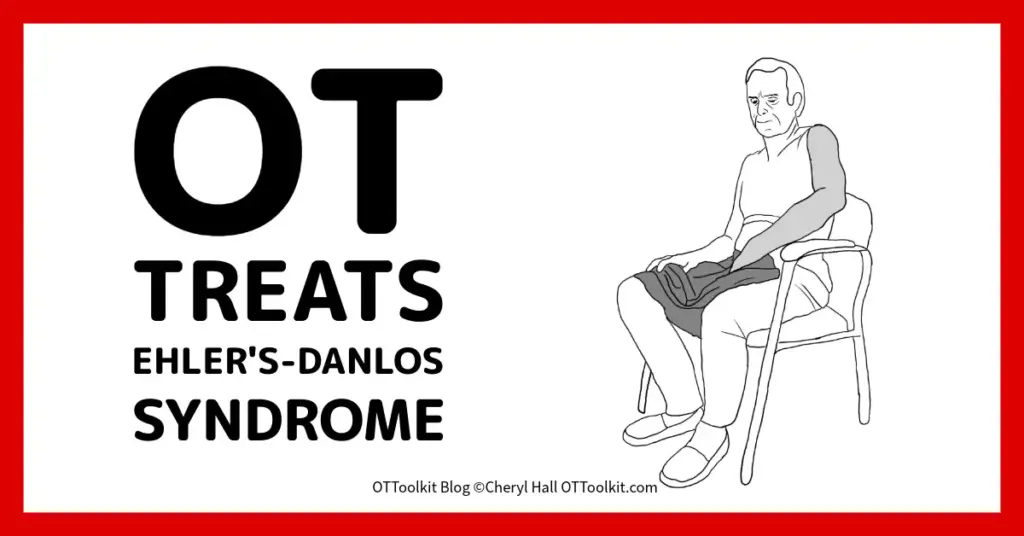
The role of an occupational therapist in treating a patient with EDS is inherently holistic, focusing on the intersection of physical limitations and daily functional participation. One of the primary interventions involves meticulous joint protection. Because patients with EDS often suffer from painful hyperextension and chronic joint discomfort, OTs play a pivotal role in teaching safe movement patterns. This includes modifying daily tasks to reduce unnecessary strain, providing instruction on home-based pain management techniques, and designing or fitting customized splints to provide external stability to vulnerable joints.
Energy conservation is another cornerstone of therapy for this patient population. The fatigue associated with EDS can be all-encompassing, often impacting a patient’s ability to participate in work, education, or personal care. Therapists work collaboratively with patients to implement structured pacing and planning strategies, ensuring that daily energy expenditure is balanced against the need for recovery. By modifying tasks to be less taxing, therapists help patients maintain their autonomy without reaching the point of total physical depletion.
Beyond direct physical interventions, occupational therapists often serve as advocates for the integration of adaptive equipment. Whether the goal is fall prevention in the home or navigating community mobility with greater ease, the right tools can make a substantial difference in the safety and confidence of an EDS patient. Ergonomics, too, remains a critical area of focus. By evaluating the environments where patients spend the most time—whether at school, the office, or the home—therapists can make informed recommendations for furniture, specialized software, or physical adjustments that limit repetitive strain and protect the integrity of the joints over the long term.
A particularly unique aspect of treating EDS involves addressing proprioceptive deficits. Because hypermobility can obscure a patient’s internal sense of body position, movement, and spatial location, they may struggle with coordination and accidental injury. Occupational therapists use targeted, therapeutic exercises to retrain the body’s awareness, which in turn helps to protect joint health and improve overall functional movement.
Furthermore, the complexity of EDS often means that patients are dealing with a host of co-occurring symptoms, including sleep disturbances, migraines, mental health challenges, and various autoimmune conditions. The occupational therapy approach is uniquely suited to address these complexities, as therapists can provide the necessary interventions and modifications to help patients navigate the broader impact of the syndrome on their daily lives.
While the Occupational Therapy Toolkit continues to develop its specific EDS treatment guide, the current 8th edition remains a deeply valuable resource for clinicians. It provides a wide array of existing materials—ranging from ADL and mobility handouts to therapeutic exercise instructions—that can be adapted for the specific needs of patients with EDS. By utilizing the existing frameworks for energy conservation, joint protection, and ergonomic assessments, therapists can continue to offer high-quality, evidence-based care while waiting for the specialized EDS modules to be integrated into future editions.
For clinicians seeking to deepen their understanding of this condition, the Ehlers-Danlos Society stands as a primary resource. Their digital platform provides an extensive library of information for healthcare professionals, including opportunities for continuing education, access to the latest research findings, and a professional directory of specialists who possess deep expertise in managing the complexities of EDS.
The process of evolving clinical resources is rarely a solitary endeavor. The feedback provided by the occupational therapist from Tennessee exemplifies the collaborative spirit that ensures the Occupational Therapy Toolkit remains relevant and effective. By listening to the needs of those on the front lines of patient care, the toolkit continues to refine its offerings to meet the diverse challenges faced by clinicians and patients alike. Those interested in contributing to this ongoing development are encouraged to reach out with their suggestions, as these insights remain the most effective way to ensure that the tools provided to the OT community are as impactful as possible. This ongoing dialogue ensures that as the medical community learns more about rare conditions like Ehlers-Danlos Syndrome, the resources used by therapists keep pace, ultimately leading to better outcomes for the patients who rely on their expertise.