For many families navigating the complexities of autism spectrum disorder, finding interventions that resonate beyond the traditional clinical setting remains a top priority. A growing body of research has long pointed toward the potential benefits of animal-assisted therapy, and a new study published this month in the journal Pediatrics offers some of the most compelling evidence yet regarding the efficacy of therapeutic horseback riding. The research indicates that regular interaction with horses can play a meaningful role in reducing hyperactivity and enhancing social development in children with autism, particularly those who also face co-occurring psychiatric conditions.
The study, which examined a cohort of 236 children between the ages of 6 and 16, provides a detailed look at how structured equine-based programs can influence the emotional and behavioral landscapes of neurodivergent youth. Led by Robin Gabriels, a professor of psychiatry at the University of Colorado, the research highlights that while traditional clinical environments are essential for many, the unique nature of working with horses provides a distinct set of therapeutic advantages that may be difficult to replicate in a doctor’s office or a standard classroom.
A Structured Approach to Equine Therapy
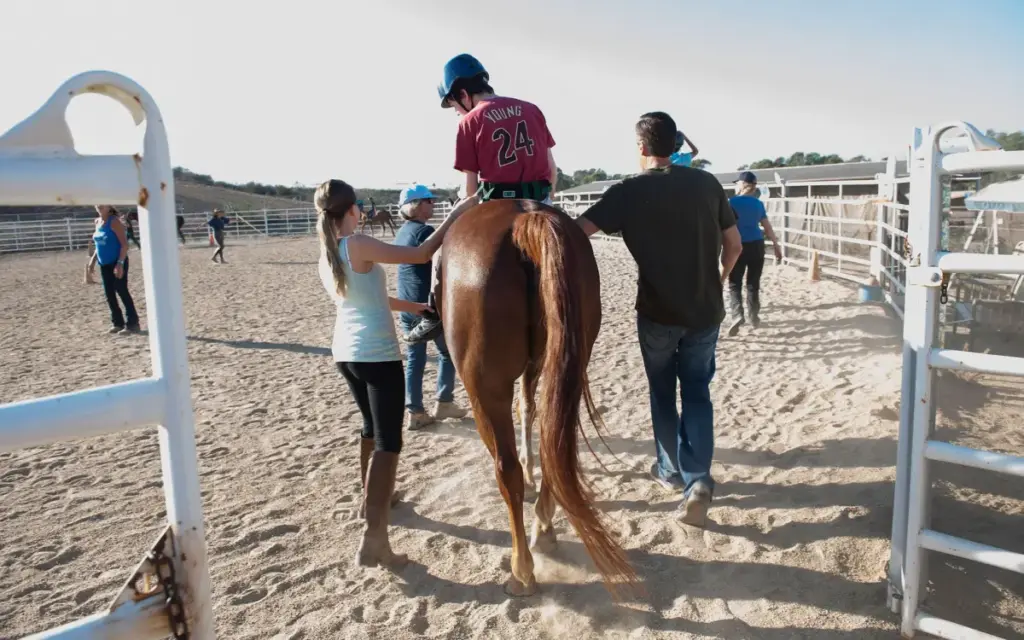
To understand the specific impacts of these interactions, the research team divided the participants into distinct groups, each receiving different levels of exposure to horses. Some children were enrolled in a therapeutic horseback riding program that required them to participate in riding sessions once a week for a period of 10 weeks. A second group was assigned to a "barn activity" program, where the children were present in the barn environment, observed the horses, and engaged in activities around the stables, but did not actually mount or ride the animals.

A third group, serving as a control or comparison point, underwent a waiting period before participating in the barn activities for five weeks, followed by a transition into five weeks of active riding lessons. This design allowed researchers to isolate the effects of the riding experience itself versus the general sensory and social experience of being in a barn environment. By comparing these groups, the study aimed to determine if the act of riding offered specific neurological or behavioral benefits that were distinct from merely being near the animals.
The results, according to the findings published in Pediatrics, were encouraging across the board. Both the formal riding programs and the barn-based activities were associated with significant reductions in irritability and hyperactivity among the participants. Furthermore, the children demonstrated measurable improvements in their ability to regulate their emotions and navigate social interactions—skills that are frequently cited as significant challenges for children on the autism spectrum.
Riding as a Catalyst for Change
While both groups experienced positive outcomes, the researchers noted a distinct difference when it came to the management of hyperactivity. The most profound impacts on hyperactivity were observed among the children who participated in the active riding group. This suggests that the physical act of riding—which requires balance, coordination, sensory integration, and a unique form of communication with the animal—offers a more intensive therapeutic stimulus than passive observation alone.
"There is something about riding a horse that is particularly helpful for kids with hyperactivity," explained Dr. Gabriels. The rhythmic movement of the horse, combined with the focus required to guide the animal, appears to provide a unique sensory input that can help ground children who struggle with restlessness or high levels of energy.
The study is particularly significant because it focused on children who already faced co-occurring psychiatric conditions, a group that is often the most difficult to reach with standardized behavioral therapies. By engaging in a program that is inherently active, social, and outdoors, children were able to practice essential life skills in a context that felt less like a medical intervention and more like an engaging hobby.
Complementing Existing Treatments
It is important to note that the researchers do not suggest that therapeutic horseback riding is a panacea or a replacement for existing medical or behavioral treatments. Instead, the study positions equine therapy as a powerful, evidence-based supplement that can enhance a child’s overall treatment plan.
"Working with horses gives these kids a chance to do something active, social and engaging," Dr. Gabriels noted. "For some children, that may be a particularly effective way to help them develop skills that can be difficult to teach in a traditional clinical environment."
The social component of the activity is also a critical factor. For many children with autism, social anxiety or difficulty with non-verbal communication can make peer-to-peer interaction daunting. However, the relationship between a child and a horse is often described as non-judgmental and predictable. The horse responds to the child’s body language and energy, providing immediate feedback that is clear and consistent. This interaction allows the child to practice social initiation and emotional regulation in a safe, controlled, and low-pressure environment.
Implications for Future Care
The publication of this study provides a strong empirical foundation for what many practitioners and families have long observed anecdotally. As the autism community continues to push for a broader range of therapeutic options that honor the diverse needs of neurodivergent individuals, findings like these serve as a roadmap for integrating alternative, nature-based, and animal-assisted therapies into the mainstream of developmental disability care.
For parents and caregivers, the study offers a sense of validation for seeking out community-based programs that prioritize the well-being of the whole child. While accessibility and cost remain hurdles for many families, the evidence supporting the efficacy of these programs may assist in advocating for their inclusion in comprehensive care plans or as recognized therapeutic interventions within healthcare systems.
As researchers continue to explore the nuances of why and how these interactions work, the focus remains on the individual child. Not every child with autism will gravitate toward horses, and the study underscores that individualized treatment plans remain the gold standard. However, for the many children who find solace and growth in the saddle, the stable may well become one of their most important classrooms.
By bridging the gap between clinical necessity and personal engagement, therapeutic horseback riding stands out as a promising avenue for improving the quality of life for children with autism. As the field moves forward, the integration of these findings into broader clinical practice could lead to more nuanced and effective support systems, ensuring that children have access to the diverse tools they need to navigate the world with greater confidence and calm.