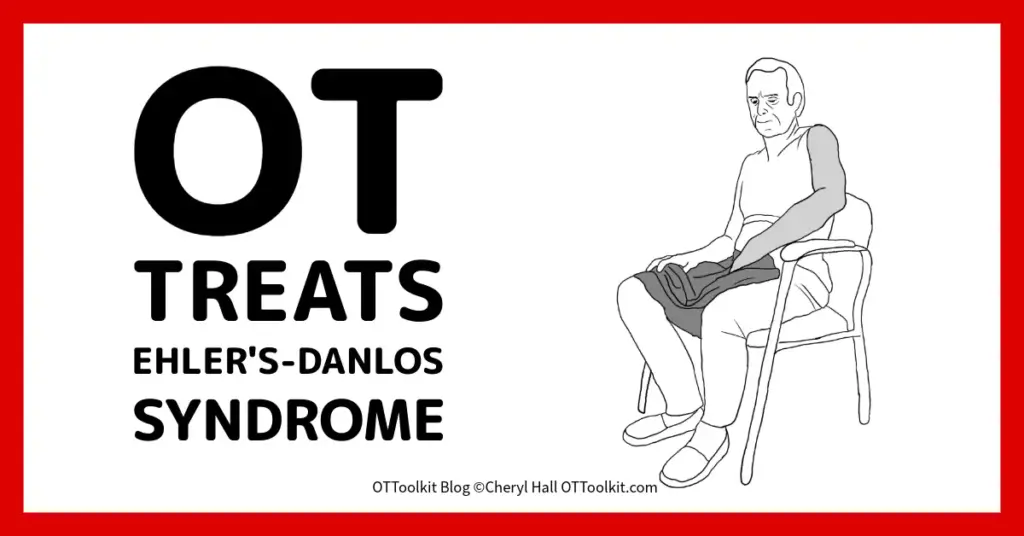
The Occupational Therapy Toolkit, a cornerstone resource for clinicians worldwide, is set to undergo a significant expansion in its next iteration. The upcoming update will feature a dedicated treatment guide for Ehlers-Danlos Syndrome (EDS), a move prompted by a direct suggestion from a practicing occupational therapist in Tennessee. The request, which highlighted a gap in current clinical resources for patients navigating the complexities of this rare connective tissue disorder, serves as a poignant reminder of the collaborative nature of the therapy community and the evolving needs of patients with chronic, multi-systemic conditions.
Cheryl, the author and developer of the Occupational Therapy Toolkit, noted that while EDS was not a condition she encountered frequently during her own clinical tenure, the persistent need for specialized guidance in the field is undeniable. Occupational therapy offers a unique, holistic approach that can significantly mitigate the debilitating symptoms of EDS, helping patients achieve greater independence and improved quality of life. Recognizing this, the decision to incorporate a formal EDS treatment guide into future editions underscores a commitment to staying responsive to the clinical challenges that therapists face in diverse practice settings.
While the most recent 8th edition of the Toolkit was released in 2024, the inclusion of EDS-specific materials will be a priority for the next update. In the interim, this discussion serves to bridge the gap, offering insights into the nature of Ehlers-Danlos Syndrome and the essential interventions that occupational therapists can implement to support their patients.
Understanding the Complexity of Ehlers-Danlos Syndrome
Ehlers-Danlos Syndrome is not a single disease but a group of rare, heterogeneous connective tissue disorders characterized by a fundamental defect in the body’s synthesis and utilization of collagen. Collagen acts as the primary structural protein in the body, providing strength and elasticity to skin, tendons, ligaments, blood vessels, and internal organs. Because these structures are compromised in individuals with EDS, the clinical presentation is often widespread and varied. Currently, medical science has identified 13 distinct types of EDS, each driven by specific genetic mutations that dictate the severity and nature of the patient’s experience.
The hallmark of the condition is joint hypermobility, often accompanied by chronic joint instability and significant, persistent pain. These physical challenges are frequently compounded by fragile skin that may bruise, tear, or stretch with minimal trauma. However, the systemic nature of EDS means the clinical picture often extends far beyond the musculoskeletal system. Patients frequently report profound fatigue, dizziness upon standing—often linked to orthostatic intolerance—and a range of digestive concerns that can severely impact daily functioning and nutritional intake.
Occupational Therapy Interventions for EDS Management
Because EDS affects so many systems simultaneously, the occupational therapy approach must be highly personalized. The goal is not merely to treat a single symptom, but to empower the patient to navigate their environment with greater ease and stability.
Joint protection is perhaps the most critical component of the OT intervention plan. Therapists work to mitigate the painful cycle of hyperextension and joint subluxation by modifying daily tasks to prioritize neutral joint positioning. This includes educating patients on safe movement patterns and the custom design and fitting of splints to provide external structural support where the body’s internal collagen structure is lacking. By stabilizing vulnerable joints, therapists can significantly reduce the chronic pain associated with hypermobility.
Managing fatigue is another vital area of intervention. For many with EDS, the effort required to simply hold the body upright or complete routine tasks can be exhausting. Occupational therapists employ energy conservation techniques, teaching patients to pace their activities and plan their days to avoid the “boom and bust” cycle that often leads to flares. Through task modification—simplifying the steps of an activity or using assistive tools to reduce the physical cost of a movement—therapists help patients maintain a higher level of stamina throughout the day.
Adaptive equipment serves as a natural extension of these strategies. Beyond basic splinting, OTs may recommend specific tools to facilitate community mobility or to enhance fall prevention, which is a major safety concern for patients with joint instability. Ergonomics also plays a key role; by evaluating the patient’s work, school, and home environments, therapists can identify subtle modifications to furniture, equipment, or software that limit repetitive strain and ensure that the patient’s environment supports, rather than hinders, their physical health.
One of the more nuanced aspects of EDS care involves addressing proprioceptive deficits. Because the body’s connective tissues are less stable, the sensory feedback the brain receives about joint position and movement is often unreliable. This lack of proprioceptive awareness can lead to clumsiness, poor posture, and an increased risk of injury. Occupational therapists utilize targeted therapeutic exercises designed to enhance the patient’s body awareness, thereby protecting joints through improved neuromuscular control.
Finally, therapists must remain mindful of the co-occurring symptoms that frequently accompany an EDS diagnosis. Many patients manage a cluster of secondary issues, including sleep disturbances, chronic migraines, gastrointestinal dysfunction, and potential autoimmune challenges. By addressing the impact of these symptoms on daily occupations, OTs provide the necessary modifications and coping strategies that allow patients to lead fuller, more engaged lives.
Resources for Continued Clinical Growth
While the Occupational Therapy Toolkit will soon include a formal guide, the current 8th edition remains a versatile and powerful resource for therapists managing the diverse needs of EDS patients. The Toolkit’s existing materials—ranging from comprehensive treatment guides and ADL-focused mobility handouts to educational and therapeutic exercise resources—can be easily adapted to support the unique requirements of this patient population.
For clinicians seeking deeper knowledge, external resources are essential. The Ehlers-Danlos Society provides a wealth of information tailored for both patients and healthcare professionals. Their platform serves as a hub for continuing education, the latest research, and a searchable directory of medical experts with specialized experience in managing the various types of EDS. Engaging with such resources ensures that therapists are providing evidence-based, informed care that aligns with the latest understanding of this complex condition.
The decision to add EDS to the Toolkit was not just a clinical choice; it was a testament to the power of professional dialogue. The field of occupational therapy thrives when practitioners share their experiences, identify gaps in care, and collaborate on solutions. The invitation to reach out directly with suggestions remains open, reflecting a broader commitment to building a resource that truly meets the needs of the modern occupational therapist. By continuing to listen to those on the front lines of patient care, the Toolkit ensures that it remains an evolving, living document capable of supporting the complex, changing needs of patients with conditions like Ehlers-Danlos Syndrome.