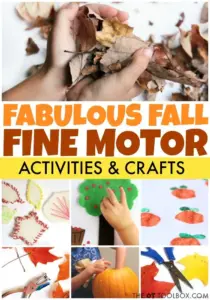









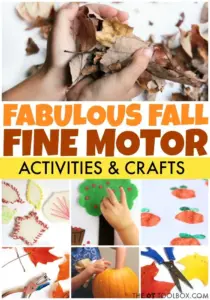
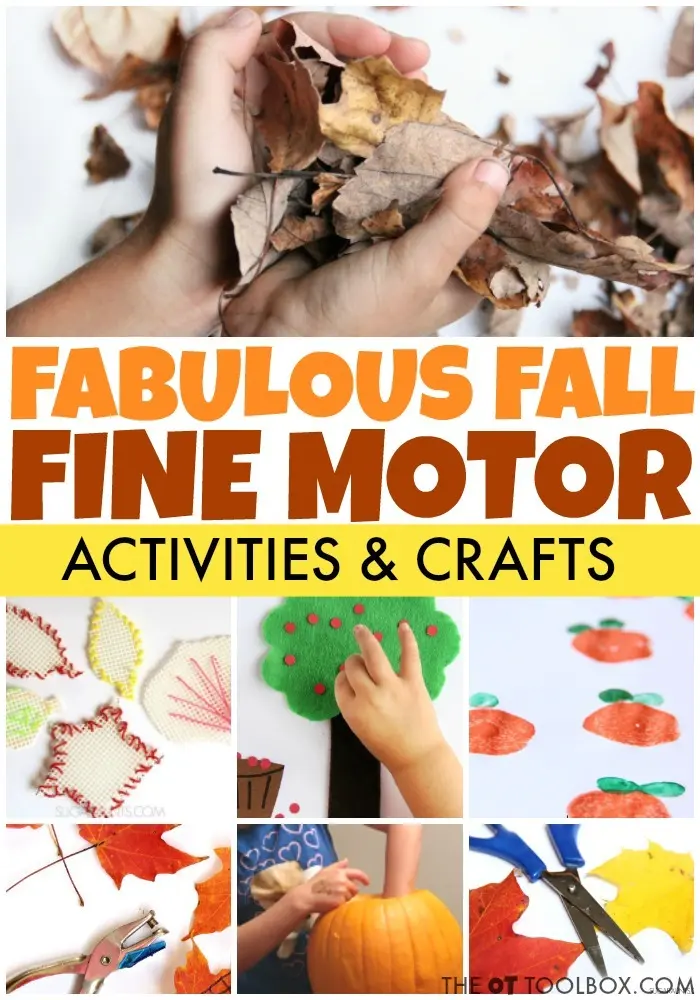
As crisp autumn air settles in and changing leaves paint the landscape, educators, parents, and pediatric occupational therapists are increasingly turning to seasonal themes to engage children in developmental exercises. Rather than selecting autumn-inspired activities merely for their festive appeal, professionals in pediatric development are utilizing natural materials like apples, leaves, pumpkins, and acorns to target specific functional goals, including hand strength, finger dexterity, scissor proficiency, visual-motor integration, and handwriting readiness.
The seasonal shift provides a natural abundance of textures and objects that can be seamlessly integrated into therapeutic interventions and classroom play. By harnessing the sensory-rich environment of autumn, specialists can address developmental milestones in a way that feels playful and organic to young children.
Experts note that many foundational autumn crafts and play routines naturally address multiple developmental domains simultaneously. For instance, activities involving resistance, manipulation, and spatial awareness can be easily adapted to meet the varying needs of toddlers, preschoolers, and early elementary students.

To support families and clinicians, specialized resources such as seasonal sensory booklets have been developed to promote both fine and gross motor movements through immersive autumn experiences. These materials encourage children to engage with their surroundings while building the muscle tone and coordination necessary for daily tasks.
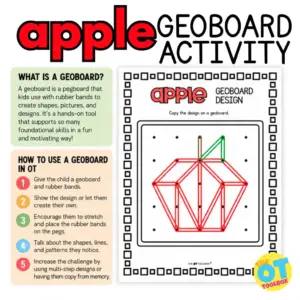
Hand strength remains a primary focus in early childhood development, as weak intrinsic hand muscles can impact a child’s ability to manipulate objects, manage clothing fasteners, and write effectively. To combat this, therapists utilize tools like apple-themed geoboards, where children stretch rubber bands across pegs. This action provides tactile resistance to the fingers and hands while demanding precision and controlled release, simultaneously supporting bilateral coordination and motor planning.
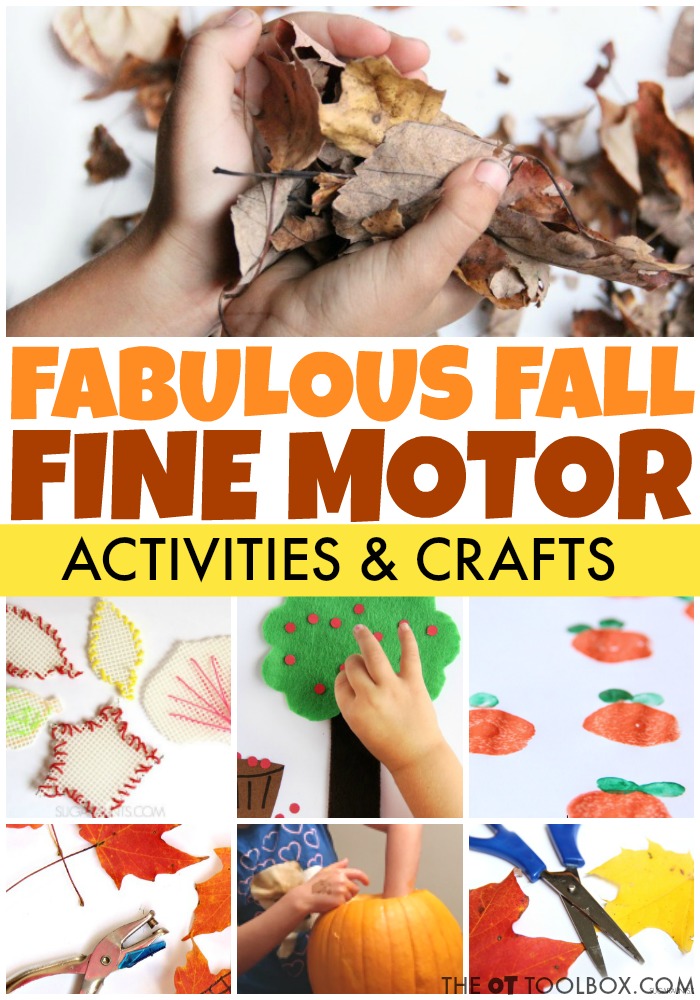
Play dough offers another versatile medium for hand strengthening. Rolling, squeezing, pinching, and pressing the squishy material provides proprioceptive sensory feedback while exercising the small muscles of the hand. Therapists frequently incorporate seasonal elements into the dough, hiding mini leaves, autumn-colored beads, or small erasers to encourage pincer grasps, arch development, and wrist stability without the children feeling like they are performing clinical exercises.
Similarly, traditional hole punches transformed into apple-shaped cutting tasks require sustained hand force and visual-motor coordination, strengthening the gross grasp and preparing hands for more complex manipulation.
Beyond raw strength, manual dexterity—the ability to use the fingers efficiently for small, precise movements—is critical for academic and self-care tasks. Fall manipulatives such as craft pom-poms, seeds, paper clips, and small craft materials provide endless opportunities for finger isolation and manipulation.
Activities involving paper clips, such as attaching them to laminated apple-counting cards, require precise fingertip movements and bilateral hand use, with one hand stabilizing the card while the other manipulates the clip. Transfers using tongs or tweezers to move autumn-colored pom-poms into ice cube trays or muffin tins further refine pincer grasps and hand-eye coordination. Adjusting the size of the tools or the objects allows therapists to easily grade the activity to match a child’s specific skill level.
Scissor skills represent another core area of development often addressed during the autumn months. Apple-cutting practice pages and leaf-snipping activities require the cutting hand and the helper hand to perform distinct, coordinated actions. While one hand opens and closes the scissors, the stabilizing hand must rotate and position the paper.
Gathering real autumn foliage provides a tactile and auditory sensory experience as children cut leaves into small pieces or snip along drawn lines. For more complex projects, farm-themed cut-and-paste crafts challenge executive functioning, direction-following, and spatial awareness. Children must cut out pieces, visually determine their correct orientation, and assemble them sequentially, integrating visual-spatial skills with traditional motor tasks.
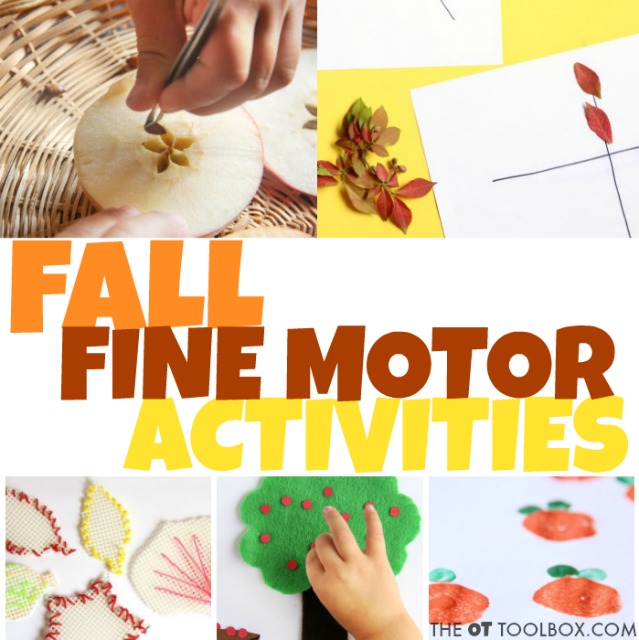
Visual-motor integration is frequently intertwined with fine motor execution. Even children with adequate hand strength and dexterity may struggle when a task requires them to copy a design, follow a line, or coordinate visual input with hand movement. Fall-themed directed drawing pages, pattern block designs, and seek-and-find puzzles address these challenges.
When completing seasonal "I Spy" pages, children practice visual scanning, figure-ground perception, and sustained attention. These visual tasks can be enhanced with fine motor components by having children circle items, cover them with small manipulatives, or use clothespins to mark corresponding pictures.
Handwriting tasks benefit significantly from seasonal integration, moving away from isolated letter drills to meaningful writing contexts. Fall-themed writing prompts accommodate diverse developmental stages within a single classroom or therapy group. Emerging writers may focus on spelling a single fall-related word, while beginning writers construct sentences, and older students plan and draft paragraphs. This flexibility allows educators to target specific components such as line awareness, letter sizing, spacing, and writing endurance.
For educators and parents seeking zero-preparation solutions, everyday natural and household items offer immediate developmental benefits. Yard leaves can be torn, crumpled, punched, cut, sorted, or strung onto yarn. Acorns and pinecones can be picked up with tongs, counted, and sorted by size. Clothespins can be attached to makeshift cardboard trees to resemble falling foliage, and ordinary bread ties can be manipulated to create whimsical crafts that strengthen tiny fingers.
Ultimately, these autumn-themed interventions provide a practical bridge between seasonal play and essential functional skills. By embedding developmental goals into familiar fall traditions, children build the foundational strength, dexterity, and coordination required for lifelong academic and self-care independence.