






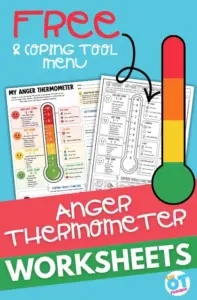


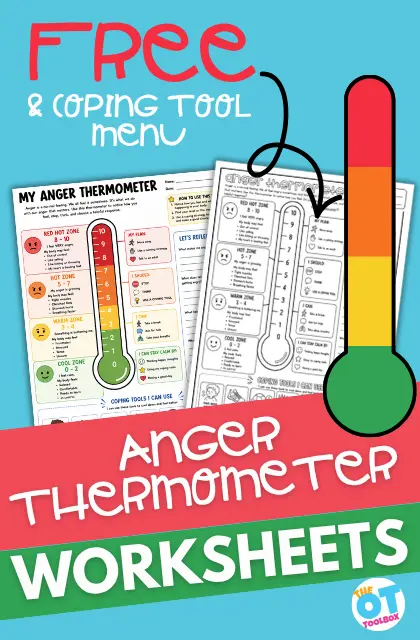
Occupational therapy professionals, educators, and families seeking practical tools for emotional support have a new resource available with the introduction of a free printable anger thermometer. Developed to address the complex layers of behavioral health and daily functioning, the tool applies a familiar visual gradient to help individuals of all ages recognize, understand, and navigate feelings of frustration and anger before emotional escalation occurs.
While the concept of an emotional meter is not entirely new to therapeutic settings, the newly released printable is specifically designed to bridge the gap between emotional awareness and practical daily performance. Occupational therapists frequently address underlying factors that impact how a person participates in school, work, relationships, and self-care routines. These vital areas include emotional regulation, executive functioning, self-awareness, social participation, impulse control, conflict resolution, and interoception—the internal sensory system that helps individuals perceive physical signals from within their bodies.
Measuring Anger with an Anger Thermometer
Anger remains a completely normal human emotion experienced by everyone at various points through frustration, irritation, and disappointment. However, the core challenge lies not in the emotion itself, but in how individuals recognize those internal feelings and choose to respond to them. Without adequate self-awareness and regulation strategies, unmanaged anger can significantly disrupt academic performance, occupational participation, interpersonal relationships, and overall well-being.
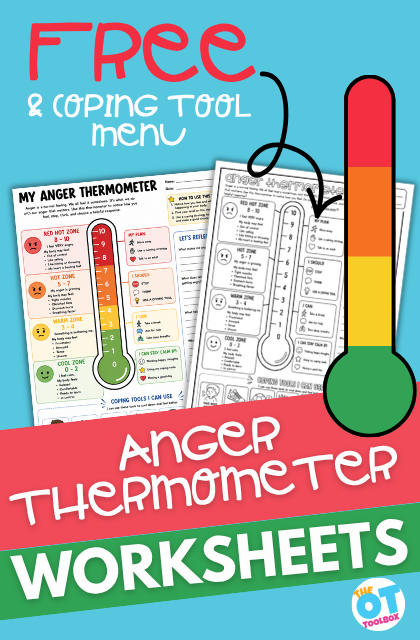
The newly introduced anger thermometer printable functions as a structured visual scale that assists children, adolescents, and adults in identifying emotional intensity. By mapping feelings along a continuous thermometer graphic, users learn to spot warning signs early. This visual approach encourages individuals to pause, think critically, and select appropriate coping responses well before reaching a breaking point.
Designed for versatile application, the tool serves as a self-monitoring instrument, an active emotional regulation exercise, and an executive functioning support mechanism. For many clients navigating developmental or behavioral challenges, simply naming emotions in the moment presents a significant hurdle, making a concrete visual scale an invaluable asset in therapeutic environments.
Understanding the Continuum of Emotional Intensity
To utilize the tool effectively, therapists break down emotional experiences away from rigid classifications of "good" or "bad." Instead, the anger thermometer teaches that emotions exist along a dynamic continuum. This perspective demonstrates that anger rarely appears instantaneously; rather, it typically builds gradually through distinct, recognizable tiers.
By assigning numerical values or descriptive levels to the thermometer scale, users can grade their emotional states from calm baseline composure to absolute emotional overwhelm. This grading system fosters emotional literacy, allowing individuals to pinpoint precise moments when intervention strategies can be deployed most effectively.
The framework shares conceptual similarities with other established therapeutic models, such as the engine-speed analogies utilized in the Alert Program or the color-coded zones found in the Zones of Regulation. However, this specific iteration zeroes in specifically on anger and frustration management, offering a focused lens for targeted skill development.
The Critical Role of Self-Awareness
Self-awareness stands as a foundational pillar of effective emotional regulation. Yet, many children, teens, and adults struggle to identify the early, subtle indicators of rising anger. Frequently, individuals only recognize their emotional state after a behavioral outburst has already occurred, manifesting as yelling, arguing, emotional withdrawal, shutting down, or impulsive actions.
The anger thermometer prompts users to engage in deliberate self-reflection, encouraging them to ask critical questions about their internal state and immediate environment. This reflective process nurtures metacognition—the cognitive ability to evaluate and understand one’s own thought processes, behavioral patterns, and automatic reactions.
Connecting Emotional Regulation to Executive Functioning
The utility of the anger thermometer extends directly into the realm of executive functioning. Executive functions encompass the complex cognitive processes required to monitor emotions, inhibit impulses, solve problems logically, and make thoughtful, deliberate decisions. When emotional intensity spikes, these executive functions often become significantly less efficient, leading to reactive behaviors rather than thoughtful responses.
By utilizing the visual scale, individuals actively exercise several key executive functioning components. Self-monitoring is enhanced as users track subtle shifts in their emotional intensity. Inhibitory control is practiced when individuals utilize the visual pause to stop before reacting impulsively. Emotional control improves as strong feelings are managed through structured channels, while cognitive flexibility is engaged when considering alternative paths of action. Furthermore, metacognition and problem-solving skills are reinforced as individuals reflect on their reactions and select constructive ways to improve difficult situations.
Recognizing Physical Body Clues
Long before anger dictates outward behavior, it frequently manifests physically within the body. The anger thermometer encourages users to tune into these somatic warning signals as emotional intensity begins to rise.
Common physical indicators often include an elevated heart rate, muscle tension, clenched fists, clenched jaw, shallow breathing, flushed skin, or a sudden surge of heat. Recognizing these early warning signals allows individuals to identify emotional escalation at its earliest stages, enabling them to deploy coping strategies much sooner than they otherwise might.
Identifying Personal Triggers and Crafting Action Plans
Triggers—defined as specific demands, interactions, environments, or experiences that spark emotional escalation—play a major role in how anger manifests. The accompanying worksheet provides dedicated space for individuals to identify their personal triggers and examine recurring patterns. This awareness helps users and practitioners prepare adequate coping supports ahead of time.
Once an emotional level is identified, the focus shifts toward selecting an appropriate coping strategy. Effective tools are designed to be implemented before anger reaches its peak. Strategies may range from deep breathing exercises and physical movement to sensory breaks or brief periods of isolation. The ultimate objective is never to eliminate anger entirely, but rather to manage the response in a way that preserves positive participation and prevents adverse outcomes.
To ensure success during high-stress moments, the worksheet incorporates an actionable response plan. Users map out specific actions matched to different numerical levels on the thermometer. For instance, lower levels might prompt short breathing breaks, while higher levels require stepping away from the situation, avoiding major decisions, and seeking support from a trusted adult or professional.
Application in Occupational Therapy and Daily Life
Occupational therapists frequently integrate emotional regulation into intervention plans because emotional states heavily influence a person’s ability to participate in daily occupations. According to professional framework standards, emotional regulation, social interaction skills, and environmental factors directly shape occupational performance across multiple domains.
In educational settings, the tool helps students follow classroom expectations, navigate transitions, and handle academic frustrations. Within social contexts, it provides a structured framework for managing peer relationships, family dynamics, and community participation. For adults, similar principles support professional relationships, stress management, and workplace expectations, as well as the independent completion of daily self-care and household routines.
By fostering emotional recognition and structured coping mechanisms, the anger thermometer serves as a versatile resource across school-based occupational therapy, pediatric outpatient care, mental health counseling, and home environments. Developed by veteran occupational therapist Colleen Beck, OTR/L, the printable is currently accessible through professional therapy membership networks, offering an adaptable, evidence-informed approach to building lifelong emotional regulation skills across the lifespan.