






BREAKING NEWS
Applied Behavior Analysis Immune System Overreaction Identified as Key Driver of Sleep Disruption in Alzheimer’s Disease 3 hours ago Child Development Beyond the Plaque: New Evidence Links Modest Daily Walking to Reduced Alzheimer’s Risk 3 hours ago Assistive Technology India Unveils Bold Roadmap for Voice-First Digital Inclusion at AI Summit 2026 3 hours ago Inclusive Education Finding the Missing Piece: How Specialized Schools Are Shifting the Paradigm for ‘Twice-Exceptional’ Learners 3 hours ago Pediatric Research EIB Global and WHO Launch €10 Million Initiative to Strengthen Public Health Systems and Support Vulnerable Patients Across Lebanon 3 hours ago Applied Behavior Analysis Genetic "Shield" Against Alzheimer’s: Researchers Uncover Mechanism Protecting the Brain’s Blood Vessels 11 hours ago Child Development New Research Challenges the Safety of CBN as a Popular Sleep Aid 11 hours ago Occupational Therapy Addressing the Gap: Occupational Therapy and the Management of Ehlers-Danlos Syndrome 11 hours ago Applied Behavior Analysis Immune System Overreaction Identified as Key Driver of Sleep Disruption in Alzheimer’s Disease 3 hours ago Child Development Beyond the Plaque: New Evidence Links Modest Daily Walking to Reduced Alzheimer’s Risk 3 hours ago Assistive Technology India Unveils Bold Roadmap for Voice-First Digital Inclusion at AI Summit 2026 3 hours ago Inclusive Education Finding the Missing Piece: How Specialized Schools Are Shifting the Paradigm for ‘Twice-Exceptional’ Learners 3 hours ago Pediatric Research EIB Global and WHO Launch €10 Million Initiative to Strengthen Public Health Systems and Support Vulnerable Patients Across Lebanon 3 hours ago Applied Behavior Analysis Genetic "Shield" Against Alzheimer’s: Researchers Uncover Mechanism Protecting the Brain’s Blood Vessels 11 hours ago Child Development New Research Challenges the Safety of CBN as a Popular Sleep Aid 11 hours ago Occupational Therapy Addressing the Gap: Occupational Therapy and the Management of Ehlers-Danlos Syndrome 11 hours ago
Stories
Immune System Overreaction Identified as Key Driver of Sleep Disruption in Alzheimer’s Disease
Beyond the Plaque: New Evidence Links Modest Daily Walking to Reduced Alzheimer’s Risk
India Unveils Bold Roadmap for Voice-First Digital Inclusion at AI Summit 2026
Finding the Missing Piece: How Specialized Schools Are Shifting the Paradigm for ‘Twice-Exceptional’ Learners
EIB Global and WHO Launch €10 Million Initiative to Strengthen Public Health Systems and Support Vulnerable Patients Across Lebanon
Genetic "Shield" Against Alzheimer’s: Researchers Uncover Mechanism Protecting the Brain’s Blood Vessels
New Research Challenges the Safety of CBN as a Popular Sleep Aid
Addressing the Gap: Occupational Therapy and the Management of Ehlers-Danlos Syndrome
Advancing Early Childhood Development: Building a Stronger Future for Babies, Families, and Professionals
The Self-Taught Piano-Playing Robot That Could Transform the Future of Assistive Technology

Tag: function

7 posts

Standard

Beyond Noise: New Research Suggests Traveling Brain Waves Function as a Computational Engine for Perception

Your brain and the ocean share a feature that is as fundamental as it is unexpected: waves. While the rhythmic undulations of the sea are visible to the naked eye, a similar, more subtle phenomenon occurs within the grey matter of the human brain. Electrical activity, flickering across the brain’s surface, creates patterns known as…
Read more
Standard

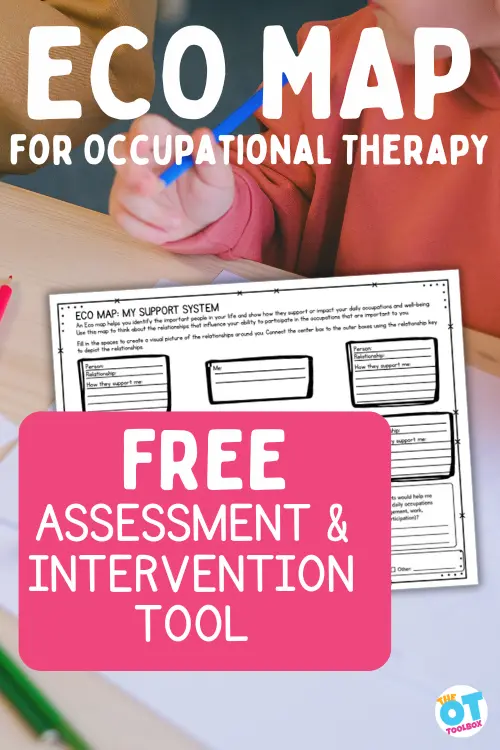
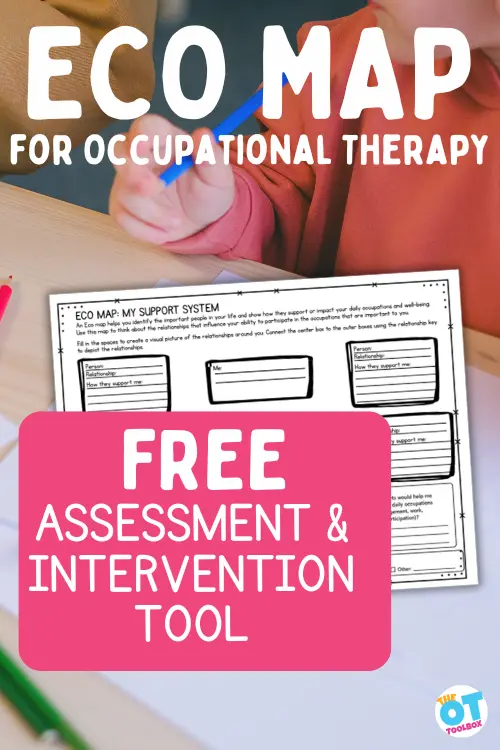
Occupational Therapists Turn to Eco Maps to Evaluate Social Support and Client Function

In the evolving landscape of occupational therapy, practitioners are increasingly looking beyond immediate physical capabilities to evaluate the broader environments that shape a client’s daily life. While visualization tools like mind maps and genograms have long assisted clinicians in organizing clinical data, a growing movement within the profession is championing the use of eco maps.…

Read more
Standard

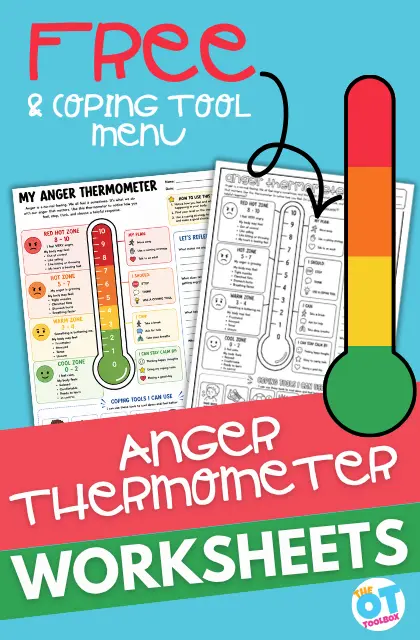
New Visual Therapy Resource Introduces the Anger Thermometer to Support Emotional Regulation and Daily Function

Occupational therapy professionals, educators, and families seeking practical tools for emotional support have a new resource available with the introduction of a free printable anger thermometer. Developed to address the complex layers of behavioral health and daily functioning, the tool applies a familiar visual gradient to help individuals of all ages recognize, understand, and navigate…

Read more
Standard

A Breath of Fresh Air: HEPA Purifiers May Boost Brain Function in Adults Over 40

For millions of people living in urban centers, the air inside their homes may contain hidden risks that extend well beyond the respiratory system. New research published in the journal Scientific Reports suggests that a simple, accessible intervention—the use of a high-efficiency particulate air (HEPA) purifier—could provide a significant boost to cognitive health for adults…

Read more
Standard

Beyond the Switch: New Study Reveals Human Neurons Function as Sophisticated Microchips

For decades, the prevailing consensus in neuroscience has been that the staggering cognitive capabilities of the human brain—our capacity for abstract language, complex mathematics, intricate imagination, and rapid invention—stem primarily from two factors: the sheer volume of our gray matter and the complexity of the "connectome," the massive, intricate web of connections linking our 100…

Read more
Standard

Occupational Therapy Practice Shifts Toward Visualizing Social Networks with Eco Maps to Improve Client Function

Occupational therapy has long recognized that human beings do not function in a vacuum. Every individual operates within a complex web of environmental, physical, and social factors that either facilitate or hinder daily performance. Recently, practitioners in the field have begun adopting a specialized visual graphic organizer traditionally common in social work—the eco map—to better…

Read more
Standard

New Alzheimer’s Research Reveals How APOE4 Genetic Risk Alters Brain Function Early in Life

For millions of people worldwide, the APOE4 gene variant represents the most significant genetic risk factor for the development of Alzheimer’s disease. While the correlation between this gene and the eventual onset of dementia has been well-documented for decades, the precise mechanisms of how it initiates the long-term decline of cognitive health have remained shrouded…

Read more