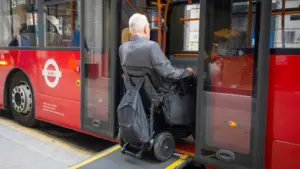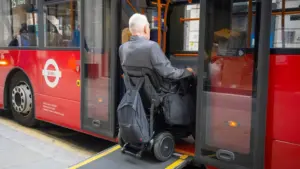



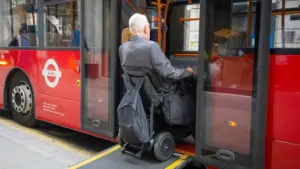





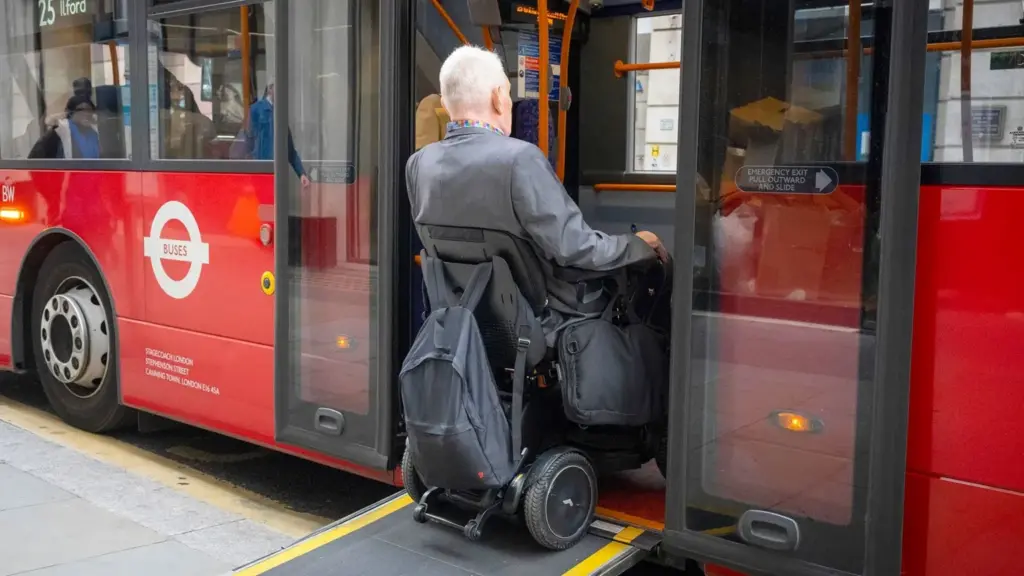
Starting April 1, disabled residents across England will gain the ability to travel by bus for free at any time of day, marking a monumental shift in public transit accessibility. Previously, free bus passes were strictly limited to off-peak hours on weekdays—specifically between 09:30 and 23:00. These historical restrictions created significant hurdles for pass holders attempting to commute to standard morning jobs, arrive early for appointments, or attend late-night social and cultural events.
The complete removal of these time limits will directly benefit an estimated one million people nationwide, effectively transforming the concessionary bus pass into a true full-time lifeline. By removing the barriers that once prevented disabled individuals from participating fully in the early morning economy, the policy aims to foster greater independence, improve employment retention, and expand social inclusion for some of the most vulnerable members of society.
This transformative policy follows a highly successful trial period implemented within Greater Manchester’s integrated public transit system, known as the “Bee Network.” The expansion also serves as a direct response to years of dedicated campaigning by prominent disability rights organizations, including Scope and Transport for All. Advocates have widely celebrated the government’s move, praising it for dismantling an unfair "postcode lottery" system where the validity of a travel pass often depended entirely on arbitrary local rules and regional council budgets.
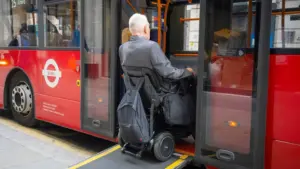
Despite the widespread celebration, advocacy groups have emphasized that this reform represents only a single step forward in a broader campaign for transit equity. Organizations continue to point out that eligibility requirements across different regions still require significant standardization to ensure that disabled citizens receive equal treatment regardless of where they live in the country.
To secure the permanence and nationwide rollout of the initiative, the £60 million scheme is being funded jointly through the Department for Transport and the Department for Work and Pensions. Government officials are framing the reform as both an essential workforce participation measure and a vital cost-of-living initiative. This policy aligns with existing transit support measures already enacted in England, such as the nationwide £2 single-fare cap, while successfully bringing England into alignment with similar 24/7 concessionary transit programs that have long operated successfully in Scotland and Wales.
Global Takeaways: How Other Countries Can Make Accessible Commuting Possible
Making daily commuting accessible, equitable, and financially manageable for disabled citizens requires a comprehensive combination of thoughtful policy design, robust digital systems, and targeted public investment. As nations around the world look for models to improve urban and rural mobility, the British policy shift offers a clear lens through which to examine the mechanics of national transit reform.
Why Was the UK Able to Do It?
The ability of the United Kingdom to enact this nationwide reform stems from a centralized framework that combines central government funding with established statutory concessionary travel schemes. By pooling financial resources through the Department for Transport and the Department for Work and Pensions, the government was able to underwrite the £60 million cost required to compensate bus operators for the removal of peak-time restrictions. Furthermore, the existence of pre-existing legislative frameworks for disabled bus passes provided a solid administrative foundation. Rather than building a program from scratch, policymakers were able to amend existing regulations and scale up a model that had already been tested and refined at a regional level, such as through Greater Manchester’s Bee Network trial.
Does It Depend on Existing Infrastructure?
Yes, heavily. Free transit passes only truly function as intended if the underlying public transport network is physically and technologically accessible to begin with. Concessionary fares lose their practical value if passengers cannot physically board the vehicles or navigate the transit environment.
A successful free-travel initiative relies on a foundation of physical infrastructure upgrades, such as low-floor buses equipped with functioning ramp systems and designated wheelchair spaces. Furthermore, digital infrastructure plays an equally crucial role. Integrated smartcard systems, real-time arrival information displays, audio announcements for visually impaired passengers, and accessible mobile applications are essential components that allow disabled commuters to plan and execute their journeys safely and independently. Without these foundational investments, financial concessions alone cannot bridge the gap to true accessibility.
What Is Needed to Make Commuting Affordable for People with Disabilities?
Achieving genuine affordability and accessibility in public transportation requires a multi-layered approach that addresses both the financial burden of travel and the structural barriers within transit networks.
First, policymakers must eliminate time-based restrictions that penalize workers and individuals with morning commitments, ensuring that concessionary passes are valid around the clock. Second, governments need to secure dedicated, long-term public funding models that insulate transit systems from local municipal budget cuts, thereby eliminating regional disparities and postcodes lotteries. Third, standardization of eligibility criteria across all jurisdictions is necessary to ensure fair and predictable access for all citizens. Finally, public transport authorities must continue investing in physical fleet modernizations and digital accessibility tools to guarantee that every commuter can navigate the system with dignity and ease.