









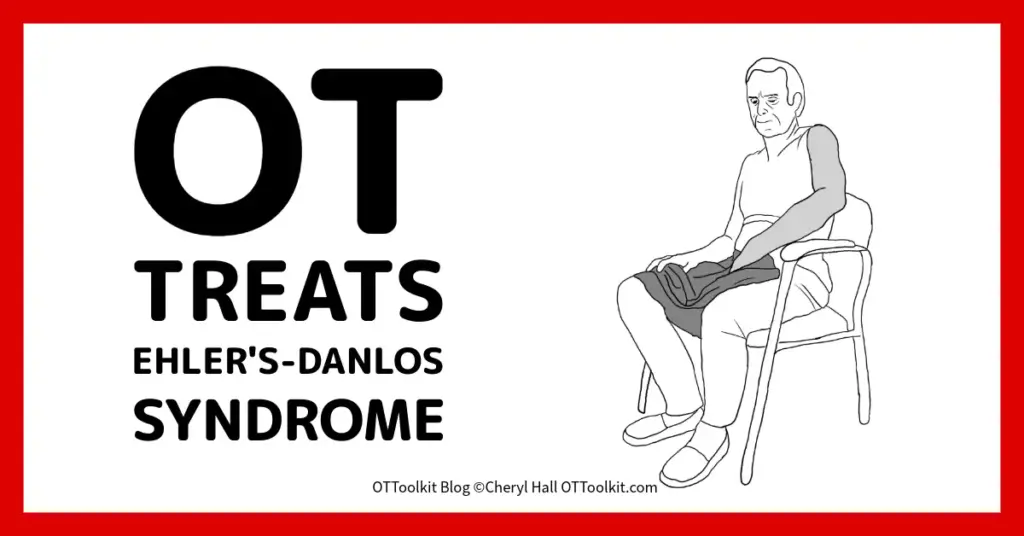
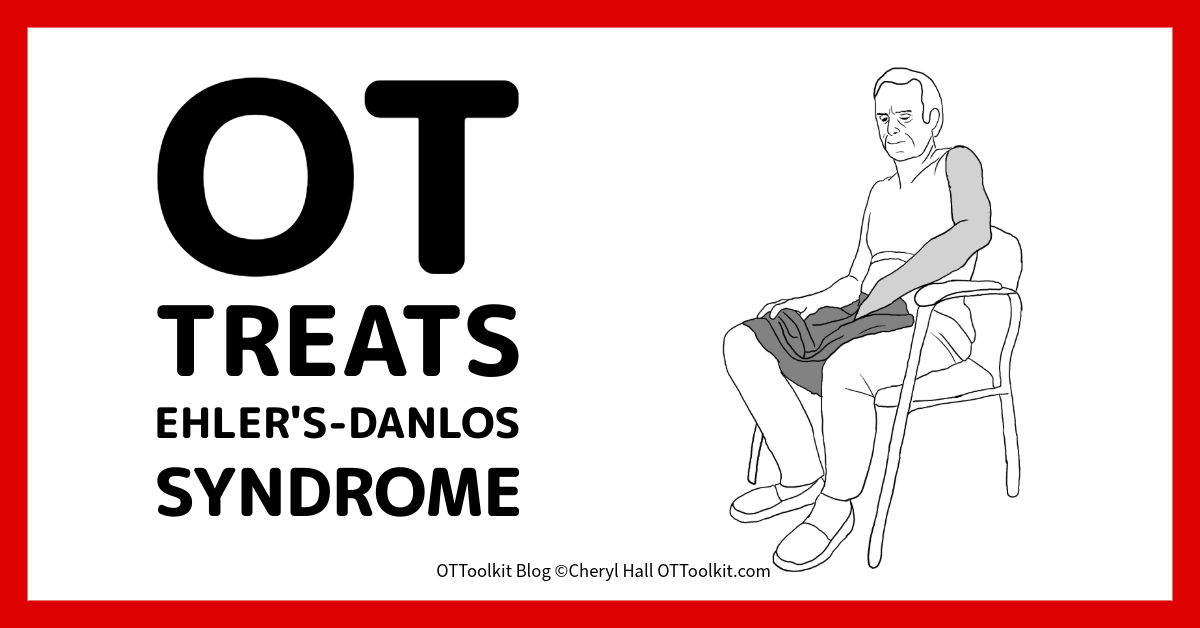
The Occupational Therapy community thrives on collaboration and the continuous exchange of clinical insights, a dynamic that was recently highlighted when a practitioner reached out with a request for new clinical resources. Following an inquiry from an occupational therapist practicing in Tennessee, whose patient was seeking specialized guidance on managing Ehlers-Danlos Syndrome (EDS) within the framework of the Occupational Therapy Toolkit, the resource’s author has committed to expanding its clinical coverage to include this complex connective tissue disorder.
Ehlers-Danlos Syndrome is a rare, multifaceted condition that presents significant challenges for both patients and their care providers. Because it is a systemic disorder that can impact nearly every aspect of a patient’s daily life, it requires a nuanced approach to rehabilitation. While the Occupational Therapy Toolkit has served as a cornerstone resource for clinicians for years, the realization that a specific treatment guide for EDS was absent prompted a commitment to address this gap in the next edition of the publication. For many therapists, the rarity of the condition means they may not encounter it frequently in their practice, making the inclusion of specialized guides an essential step in ensuring high-quality, evidence-based care for these patients.
Understanding the nature of Ehlers-Danlos Syndrome is the first step toward effective intervention. At its core, EDS is a group of connective tissue disorders that fundamentally affect how the human body produces and utilizes collagen, the protein responsible for the structural integrity of skin, joints, blood vessels, and internal organs. There are currently 13 distinct types of EDS recognized by the medical community, each associated with unique genetic causes and clinical presentations. Despite this variability, many patients share a constellation of hallmark symptoms, most notably joint hypermobility, persistent joint instability, and chronic pain. Furthermore, the condition often manifests through fragile skin that is prone to tearing, easy bruising, and a variety of systemic complications, including debilitating fatigue, dizziness—often associated with postural changes—and chronic gastrointestinal distress.

Occupational therapists are uniquely positioned to assist patients living with EDS by focusing on interventions that prioritize functional independence and long-term quality of life. The approach to treatment is inherently patient-centered, focusing on mitigating symptoms that interfere with daily activities. One of the primary areas of intervention is joint protection. Given that EDS patients frequently struggle with painful hyperextension and chronic joint discomfort, therapists work to modify everyday tasks to reduce strain. This often involves instructing patients in safer movement patterns and the custom design or fitting of splints to stabilize vulnerable joints during activity. By reducing the physical toll on the body, these interventions help patients maintain mobility while minimizing the risk of injury.
Energy conservation is another critical pillar in the management of EDS. The fatigue associated with the condition can be profound, often impacting a patient’s ability to participate in work, education, or social activities. Occupational therapists address this by teaching pacing and planning strategies, helping patients break down complex tasks into more manageable segments. By evaluating and modifying how a patient approaches their daily routine, therapists help minimize energy expenditure, allowing individuals to sustain their functional capacity throughout the day.
The role of the occupational therapist also extends to the recommendation and integration of adaptive equipment. Beyond the scope of joint protection, this equipment is vital for enhancing community mobility and preventing falls, which are a significant risk for those with hypermobile joints and vestibular issues. Furthermore, ergonomic assessments represent a key service for EDS patients, whether they are at work, at school, or in the home environment. By analyzing the patient’s physical surroundings and recommending adjustments—such as specialized office furniture or supportive software—therapists can limit repetitive movements and reduce the cumulative strain on joints, which is essential for preventing the progression of pain-related dysfunction.
Addressing proprioception is equally important in the treatment of EDS. Because joint hypermobility can compromise an individual’s ability to accurately sense their position, movement, and location in space, patients may struggle with balance and coordination. Occupational therapists utilize targeted therapeutic exercises designed to improve proprioception, thereby protecting joint health and increasing the patient’s confidence in their movement.
The clinical picture for patients with EDS is often complicated by a variety of co-occurring symptoms, including sleep disturbances, mental health challenges, migraines, and autoimmune disorders. The breadth of the occupational therapy scope allows practitioners to provide interventions that address these secondary issues, ensuring a holistic approach to care. By providing the necessary modifications and behavioral strategies to manage these comorbid conditions, therapists can play a vital role in supporting the patient’s overall well-being.
While the Occupational Therapy Toolkit continues to evolve to meet these specific needs, it currently remains a comprehensive resource for therapists treating patients with complex conditions. The materials within the toolkit, including various treatment guides, ADL and mobility handouts, and therapeutic exercise protocols, provide a foundation that is highly applicable to the diverse needs of the EDS patient population. These resources are designed to be practical and accessible, helping clinicians translate complex medical information into actionable strategies for their patients.
For professionals seeking deeper insights into the condition, the Ehlers-Danlos Society offers a wealth of information, including research updates, continuing education opportunities, and a directory of healthcare professionals who specialize in the management of EDS. Engaging with such organizations is highly encouraged for clinicians who wish to further their expertise and stay abreast of the latest developments in connective tissue disorder research.
The initiative to include an EDS treatment guide in the future edition of the Occupational Therapy Toolkit serves as a reminder of the value of professional collaboration. The author remains dedicated to maintaining the toolkit as a dynamic resource that reflects the real-world needs of therapists and their patients. By fostering an open line of communication, the profession can continue to refine the tools used to provide effective care. Practitioners who have suggestions or ideas for future content are encouraged to reach out directly to the author via email to ensure that the resources provided are as relevant and helpful as possible for the entire clinical community. This iterative process of feedback and development ensures that occupational therapists are better equipped to serve their patients, ultimately improving the standard of care for those navigating the challenges of Ehlers-Danlos Syndrome.