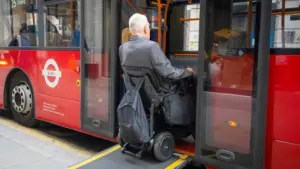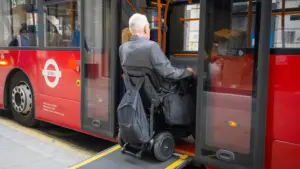







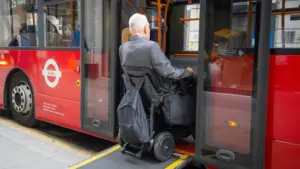

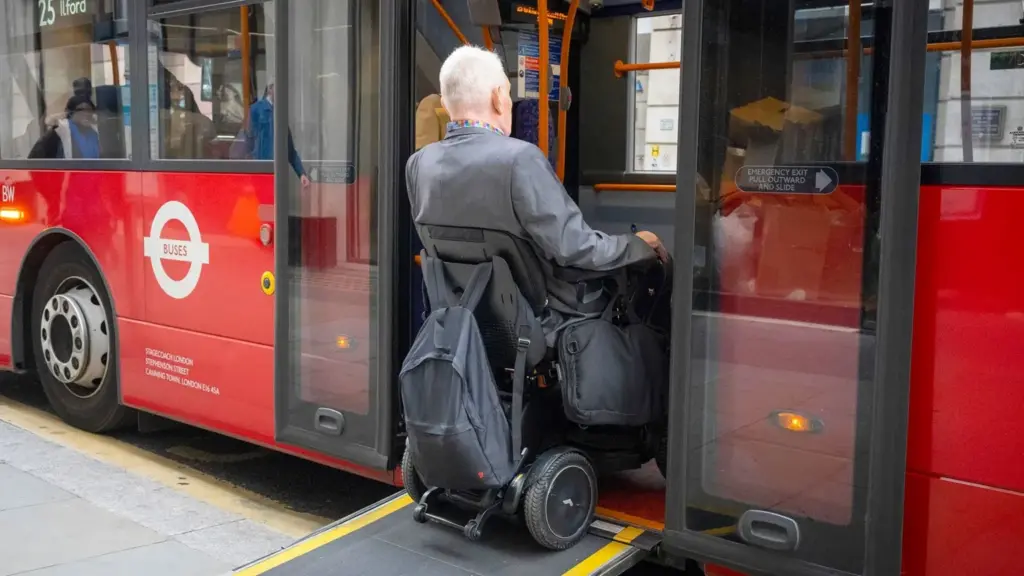
Starting April 1, disabled people across England will be able to travel by bus for free at any time of day, marking a monumental shift in the country’s public transportation policy. Previously, the national concessionary travel scheme restricted free bus passes to off-peak hours on weekdays, specifically between the hours of 09:30 and 23:00. This long-standing time restriction created significant barriers for pass holders attempting to commute to standard morning jobs, participate in early academic programs, or attend late-night social and cultural events.
The removal of these time limits will benefit an estimated one million people nationwide, fundamentally transforming bus travel from a restricted daytime convenience into a true full-time lifeline. By tearing down the clock-based barriers that have governed public transit for years, the policy change opens up new avenues for employment, social inclusion, and independent living for disabled residents throughout England.
The nationwide reform follows a highly successful trial period in Greater Manchester’s integrated public transport network, known locally as the "Bee Network." The positive outcomes observed during this regional pilot provided policymakers with the practical evidence needed to justify a nationwide rollout. Furthermore, the decision responds directly to years of persistent campaigning by prominent disability rights organizations, including Scope and Transport for All.
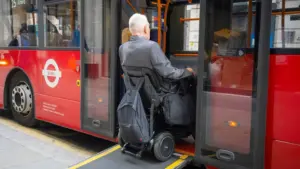
Advocates have widely celebrated the move not only for its immediate practical benefits, but also because it tackles a deeply entrenched systemic issue: the elimination of an unfair "postcode lottery." Under the old framework, the validity of a concessionary pass frequently depended on local authority rules, creating stark geographic disparities where a pass holder’s travel rights changed abruptly depending on municipal boundaries. While disability groups have praised the government for standardizing the 24/7 access rule, they emphasize that this reform represents only one critical step forward. Organizations are continuing to call for broader standardization of eligibility requirements across different regions to ensure complete equity in the national transit system.
To finance the program and secure its permanence, a £60 million funding package has been established through a joint initiative involving the Department for Transport and the Department for Work and Pensions. Government officials are framing the major reform as a vital workforce and cost-of-living initiative. This investment aligns with existing transit measures designed to ease financial pressures on the public, such as the nationwide £2 single-fare cap. Moreover, the policy brings England into alignment with neighboring regions, mirroring similar 24/7 concessionary transit programs that have successfully operated in Scotland and Wales for years.
Global Takeaways: How Other Countries Can Make Accessible Commuting Possible
Making daily commuting accessible and affordable for disabled citizens requires a careful and deliberate combination of advanced policy design, reliable digital systems, and targeted public investment. As transportation networks worldwide look for ways to improve equity and mobility, the transition in England offers a clear blueprint for how structural reforms can reshape urban and rural transit landscapes.
Why Was the UK Able to Do It?
The ability of the United Kingdom to implement this nationwide change stems from a combination of centralized funding, coordinated government departments, and intense, long-term advocacy from civil society. By pooling resources from both the Department for Transport and the Department for Work and Pensions, the government demonstrated that large-scale social equity programs require cross-departmental financial commitment. Furthermore, the existence of established concessionary travel frameworks made it legally and administratively simpler to expand existing hours rather than build an entirely new transit entitlement from scratch.
Does It Depend on Existing Infrastructure?
Yes, heavily. Free transit passes only work if the public transport network is physically and technologically accessible. Concessionary access alone is insufficient if passengers cannot physically board vehicles or navigate the broader transit environment. The success of any full-time free travel policy relies entirely on foundational infrastructure, such as low-floor buses equipped with functioning ramps, audio-visual announcements for passengers with sensory impairments, and well-maintained bus stops and stations. Without these physical and digital accessibility measures in place, removing time restrictions on passes cannot fully achieve its goal of universal mobility.
What Is Needed to Make Commuting Affordable for People with Disabilities?
Achieving true affordability and accessibility in public transportation requires removing both financial barriers and systemic inconsistencies. Policymakers must address geographical disparities to ensure that transit rights do not fluctuate based on local municipal borders. Additionally, dedicated public funding is essential to absorb the costs of expanded access without placing undue financial strain on local transit operators. By combining financial support, standardized national regulations, and continuous infrastructure improvements, governments can create public transportation systems that truly serve all members of society around the clock.