







As the global population undergoes a significant demographic shift, the role of Occupational Therapy (OT) in supporting older adults has moved to the forefront of clinical practice. For many practitioners, specializing in the geriatric population is not merely a professional choice but a deeply rewarding career path. The increasing demand for skilled therapists who understand the nuances of aging is clear, as the over-65 cohort continues to grow at an unprecedented rate, both within the United States and across the globe.
The scale of this demographic transition is striking. Current data indicates that in more than 1,400 U.S. counties—representing nearly half of all counties in the nation—older adults now outnumber children. This shift necessitates a robust and nuanced approach to healthcare that prioritizes the specific needs and desires of the aging population. A primary trend driving this demand is the overwhelming preference among older adults to "age in place." Remaining in one’s own home offers a sense of continuity that senior living facilities often struggle to replicate; it allows individuals to stay connected to their community, preserve cherished memories, and maintain autonomy over daily decision-making. Furthermore, aging in place is frequently a more cost-effective alternative to institutionalized care, making it an attractive option for families and healthcare systems alike.
For occupational therapists, successfully serving this population requires a transition from generalist knowledge to a specialized, holistic understanding of the aging process. A practitioner’s ability to design effective treatment plans hinges on their grasp of the multifaceted physical, cognitive, and emotional changes that accompany later life. The physical challenges are often the most visible, involving the degradation of bone density, joint integrity, and muscle mass, which directly impact balance and mobility. Chronic health conditions, often compounded by a natural decline in sensory perception and fine motor skills, require the therapist to be vigilant and proactive in their interventions.
Cognitive health is equally critical. While many older adults maintain sharp cognitive function, they commonly experience a degree of "normal" cognitive slowing. This can be exacerbated by the side effects of complex medication regimens, nutritional deficiencies, or underlying medical issues. Moreover, because age remains the primary risk factor for conditions such as Mild Cognitive Impairment (MCI), dementia, and Alzheimer’s disease, therapists must be adept at recognizing early indicators of decline. Perhaps most importantly, practitioners must balance these clinical observations with the emotional state of their patients. Despite the physical and cognitive hurdles, many older adults report high levels of happiness and fulfillment. A truly effective therapist listens to these patients, acknowledging their subjective experience and ensuring that treatment plans address the specific, personal roadblocks that hinder the pursuit of their most meaningful occupations.
Preparation is the cornerstone of effective care. Before entering a home health setting, practitioners must equip themselves with a comprehensive toolkit of assessment methods. Organizations such as the American Occupational Therapy Association (AOTA) provide essential resources for quality practice, including directories of validated assessment tools designed to measure functional performance, cognitive status, and home safety. By utilizing these evidence-based instruments, therapists can establish a baseline that allows for measurable progress and ensures that interventions are tailored to the individual’s specific functional deficits.
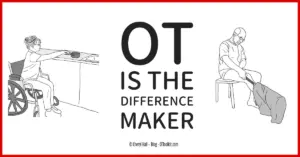
The overarching goal expressed by many older patients is the desire to maintain independence in their activities of daily living (ADLs). Helping a patient regain the ability to toilet, dress, bathe, or eat without assistance is a core competency of occupational therapy. These interventions, which may involve specialized techniques, adaptive equipment, or modern technology, are among the most rewarding aspects of the profession. Beyond the basic ADLs, OT is essential in supporting more complex instrumental activities of daily living (IADLs), such as medication management, meal preparation, transportation, shopping, and social communication.
In recent years, the integration of technology has become a game-changer for IADL support. From smart home systems that provide reminders to specialized apps that assist with medication adherence, technology can bridge the gap between dependence and autonomy. These efforts are further supported by functional strengthening programs that are customized to the patient’s physical capacity, helping to mitigate the effects of chronic conditions like arthritis, COPD, Parkinson’s disease, and diabetes. By viewing these conditions through a functional lens, the occupational therapist provides more than just medical support; they provide the means for the patient to remain an active participant in their own life.
When practicing in a home health capacity, the occupational therapist occupies a unique position to influence the patient’s environment. The home is both a sanctuary and a potential site of significant hazards. An expert evaluation of the living space is essential for fall prevention and safety. This involves a thorough walkthrough to identify structural risks, such as loose rugs, inadequate lighting, or inaccessible entryways. The therapist’s role extends to recommending assistive devices that can fundamentally change the patient’s mobility, such as walkers, rollators, canes, or the installation of stair lifts.
The bathroom, arguably the most dangerous room in the home, requires special attention. Through the strategic placement of grab bars, the use of raised toilet seats, toilet frames, and the introduction of shower chairs or transfer benches, therapists can help patients preserve their privacy and dignity while minimizing the risk of injury. Furthermore, therapists can introduce safety-enhancing technologies like medical alert devices, which provide a crucial safety net for patients living alone. For those struggling with fine motor deficits, simple modifications to kitchen tools or clothing fasteners can remove significant barriers to daily tasks, while low-vision strategies can improve safety for those dealing with sensory decline.
Ultimately, the strength of occupational therapy lies in its holistic philosophy. By placing the patient’s personal goals at the center of every intervention, the therapist ensures that the support provided is not only clinically sound but also deeply relevant to the patient’s lifestyle and values. In the context of an aging society, this approach is more than a clinical standard—it is a vital component of supporting older adults as they navigate the complexities of aging. By fostering an environment where independence is encouraged and obstacles are systematically removed, occupational therapists empower their patients to continue participating in the occupations that define their identity, purpose, and quality of life. As the landscape of geriatric care continues to evolve, the demand for this patient-centered, functional expertise will only become more critical, ensuring that the older adults of today can continue to live meaningful lives in the homes and communities they love.