









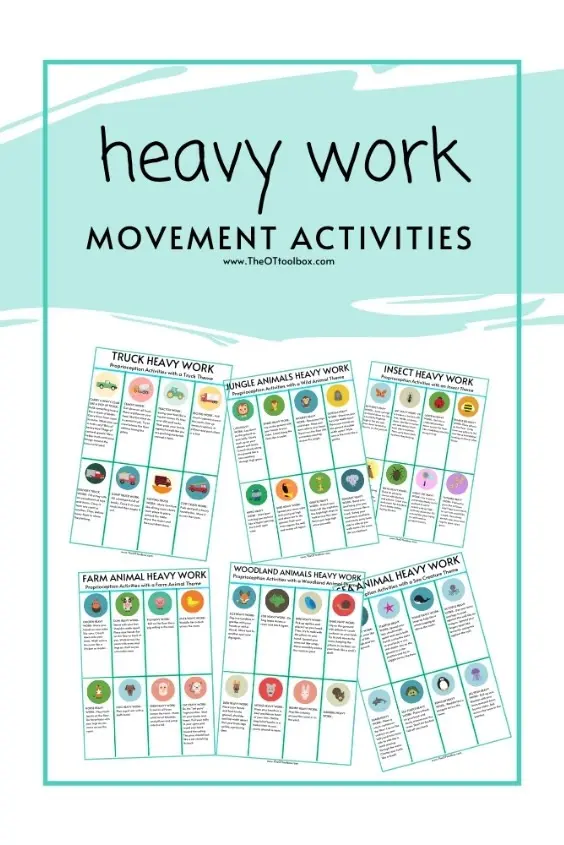
In classrooms, living rooms, and therapy clinics, parents and educators frequently encounter moments when children become overwhelmed, out-of-sync, and struggling to participate in daily tasks. Whether it is a sudden temper tantrum in a public space, difficulty maintaining focus during lessons, or the transitional chaos often accompanying the summer months, emotional and sensory dysregulation remains a universal challenge in child development. According to pediatric occupational therapy experts, a remarkably effective yet simple solution lies not in behavioral reprimands, but in a physiological approach known as "heavy work."
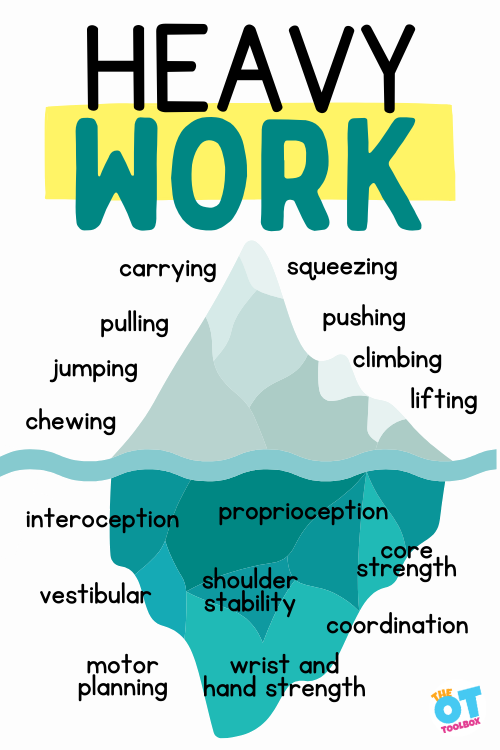
Heavy work encompasses any physical activity that requires muscular effort, engaging the body’s joints and large muscle groups through movements such as pushing, pulling, lifting, jumping, and even chewing. Far from being mere physical exercise, these activities stimulate the proprioceptive system—the specialized sensory network embedded within our muscles, ligaments, and joints that communicates directly with the brain regarding body awareness and force modulation.

Experts explain that when children engage in heavy work, the resistance provides organizing feedback to the nervous system. This sensory input acts as a powerful self-regulation tool capable of evening out disturbances across other sensory systems. Depending on the child’s immediate needs, heavy work can gently elevate low energy levels or calm an overactive, high-energy nervous system, helping individuals reach an optimal state of calm and focus.

The underlying mechanism involves complex neurological loops where the brain continuously processes spatial awareness and muscle output. This feedback ensures that a child applies the correct amount of force, whether they are gently holding an egg or lifting a heavy basket of laundry. When this system functions smoothly, it directly supports attention, emotional regulation, and academic participation.
Integrating these strategies into daily routines does not require specialized clinical environments. Occupational therapists emphasize that heavy work can be seamlessly woven into everyday life at home, in the classroom, or during therapeutic interventions. Morning routines, after-school transitions, and pre-bedtime rituals offer ideal windows to incorporate proprioceptive activities, helping children ground themselves before shifting between tasks.

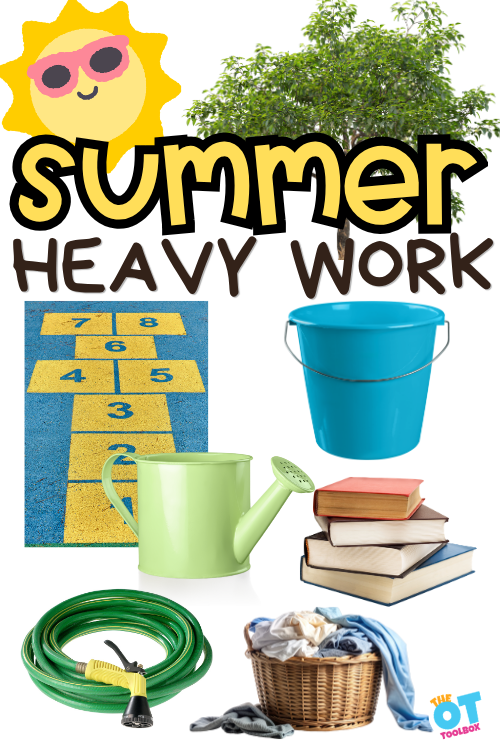
During the school year, educators utilize whole-class heavy work breaks to reset attention spans and manage classroom energy levels. As children transition into summer break—a period often marked by disrupted routines and increased screen time—experts advise leaning heavily on outdoor play, practical household chores, and community-based outings to supply the necessary proprioceptive input.

While passive activities like screen viewing can sometimes offer temporary distraction, heavy work addresses the foundational sensory needs of the nervous system, keeping children physically active and emotionally regulated. Simple strategies—ranging from wall push-ups and carrying stackable books to backyard gardening, animal walks, and pool games—provide the resistance required to foster body awareness and motor planning.

By recognizing heavy work as an essential component of a child’s sensory lifestyle, caregivers and professionals alike are discovering practical, accessible ways to support healthy development, enhance emotional regulation, and foster an environment where children can thrive year-round.