




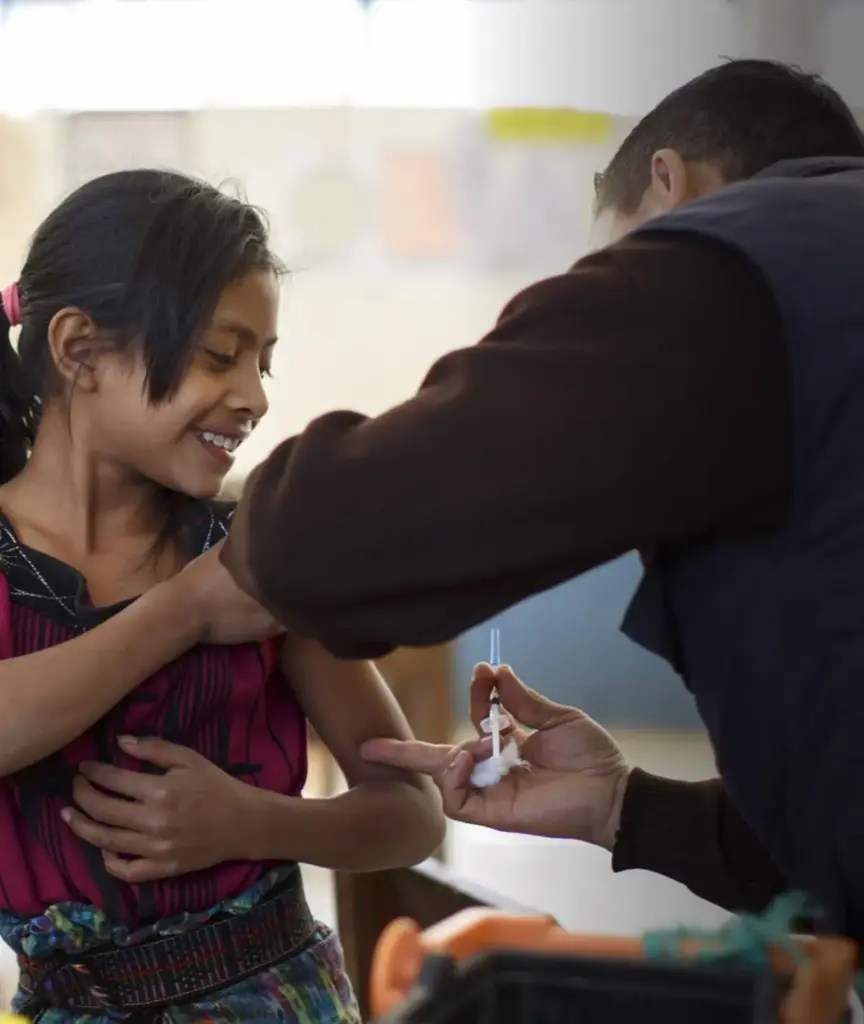
GENEVA/NEW YORK — In a joint urgent warning issued today, the World Health Organization (WHO) and UNICEF reported an alarming global decline in the number of children receiving life-saving routine vaccinations. Driven
by severe disruptions in the delivery and uptake of essential immunization services caused by the ongoing COVID-19 pandemic, this sudden downturn threatens to undo hard-won progress achieved over many years. For a significant period leading up to the public health crisis, global efforts to reach more children and adolescents with a wider range of vaccines had already been hampered by a decade of stalling coverage rates. Now, according to comprehensive new data released by the two United Nations agencies, the current disruptions risk reversing these historical gains entirely, leaving millions of vulnerable young lives exposed to entirely preventable diseases.
The latest comprehensive data on vaccine coverage estimates for 2019, compiled jointly by WHO and UNICEF, reveals that recent public health triumphs—such as the expansion of the human papillomavirus (HPV) vaccine to 106 countries and heightened protection for children against an expanding array of deadly diseases—are now in immediate danger of lapsing. Most concerningly, preliminary data capturing the first four months of 2020 points to a substantial and unprecedented drop in the number of infants completing the crucial three-dose series of the diphtheria, tetanus, and pertussis (DTP3) vaccine. For the first time in 28 years, the global community faces the stark reality of a measurable reduction in DTP3 coverage, which serves internationally as the standard marker for evaluating immunization coverage both within individual countries and across the broader global landscape.
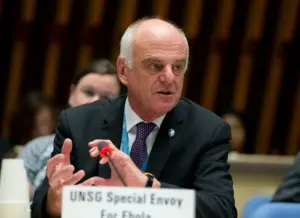
Dr. Tedros Adhanom Ghebreyesus, Director-General of the World Health Organization, emphasized the gravity of the situation during today’s announcement. Noting that vaccines represent one of the most powerful and transformative tools in the history of public health, he pointed out that more children were being immunized prior to the pandemic than ever before. However, the unprecedented global health crisis has abruptly put those hard-fought gains at risk. Dr. Tedros warned that the entirely avoidable suffering and death resulting from children missing out on routine immunizations could ultimately prove far greater than the direct toll of COVID-19 itself. Yet, he stressed that this trajectory is not inevitable, asserting that vaccines can be administered safely even amidst a pandemic. He issued a direct call to governments and health authorities worldwide to ensure that these essential, life-saving programs are maintained and urgently restored.
Severe Disruptions Driven by the COVID-19 Pandemic
The cascading impacts of the COVID-19 crisis have severely crippled routine public health infrastructure across the globe. At least 30 major measles vaccination campaigns have either been canceled or remain at severe risk of cancellation, laying the groundwork for potentially devastating disease outbreaks throughout 2020 and beyond. These findings are underscored by a new pulse survey conducted jointly by UNICEF, WHO, and Gavi, the Vaccine Alliance, in collaboration with the United States Centers for Disease Control and Prevention (CDC), the Sabin Vaccine Institute, and the Johns Hopkins Bloomberg School of Public Health. According to the survey data gathered as of May 2020, three-quarters of the 82 countries that responded reported experiencing COVID-19-related disruptions to varying degrees within their national immunization programs.
The underlying reasons for these widespread service disruptions are complex and varied. Even in regions where health facilities continue to offer routine immunizations, families are frequently unable to access them. Obstacles include a general reluctance among populations to leave their homes due to fear of infection, severe interruptions to public transportation networks, mounting economic hardships, stringent government-imposed restrictions on movement, and widespread anxiety regarding the risk of exposure to individuals carrying COVID-19. Furthermore, the frontline health workforce has faced acute shortages. Many healthcare personnel have been rendered unavailable due to travel restrictions, redeployment to emergency COVID-19 response duties, or a critical lack of personal protective equipment (PPE) necessary to operate safely.
Henrietta Fore, Executive Director of UNICEF, highlighted the immense logistical and psychological barriers introduced by the pandemic. She stated that COVID-19 has transformed what was once a routine, manageable vaccination visit into a daunting and often prohibitive challenge for families around the world. Emphasizing the need for immediate, concerted action, Fore insisted that the global community must prevent any further deterioration in vaccine coverage and urgently resume immunization programs before the lives of young children are threatened by resurgent pathogens. As she aptly summarized, society cannot afford to trade one catastrophic health crisis for another.
Stagnating Global Coverage Rates Prior to the Crisis
Even before the novel coronavirus began its rapid global spread, progress toward achieving universal immunization coverage was already stalling. Global coverage rates for both DTP3 and measles vaccines had plateaued at approximately 85 percent, leaving a persistent immunity gap. Statistically, the likelihood that a child born today will be fully vaccinated with all internationally recommended vaccines by the time they reach five years of age stands at less than 20 percent, highlighting an enduring fragility in global health security.
In the baseline year of 2019, nearly 14 million children missed out entirely on life-saving routine vaccines, including those protecting against measles and DTP3. The vast majority of these unreached children reside on the African continent, where they frequently experience compounding vulnerabilities and a general lack of access to other essential health and social services. A deeper analysis reveals that two-thirds of these unprotected children are heavily concentrated in just 10 low- and middle-income countries: Angola, Brazil, the Democratic Republic of the Congo, Ethiopia, India, Indonesia, Mexico, Nigeria, Pakistan, and the Philippines. Notably, children living in middle-income countries now account for an increasingly large share of this global vulnerability burden, signaling that gaps in immunization are not confined solely to the poorest nations.
Regional Progress and Fragile Gains Face Reversal
Despite the overarching challenges, pockets of notable progress had been achieved prior to the pandemic. For instance, regional coverage for the third dose of the DTP vaccine in South Asia registered an encouraging increase of 12 percentage points over the preceding decade, driven by significant improvements across countries such as India, Nepal, and Pakistan. However, health experts warn that this hard-won progress is now highly vulnerable to being completely undone by pandemic-related disruptions. Nations that had recorded remarkable strides in public health delivery, including Ethiopia and Pakistan, now stand at acute risk of backsliding into lower coverage rates unless routine immunization services are actively and rapidly restored to full capacity.
The situation is regarded as particularly concerning in Latin America and the Caribbean, a region where historically robust immunization coverage has steadily slipped over the past ten years. In countries such as Brazil, Bolivia, Haiti, and Venezuela, immunization coverage plummeted by at least 14 percentage points between 2010 and 2019. Compounding these pre-existing vulnerabilities, these same nations are currently confronting moderate to severe disruptions directly tied to the COVID-19 pandemic, threatening to plunge regional health indicators down even further.
As international health organizations, national governments, and local partners mobilize to recover the vital ground lost to COVID-19-related disruptions, UNICEF and the World Health Organization continue to support countries worldwide in their efforts to reimagine immunization delivery. By adapting strategies to local contexts and strengthening primary healthcare systems, the global health community aims to build back better, ensuring that every child, regardless of geography or economic status, receives the life-saving protection they deserve.