



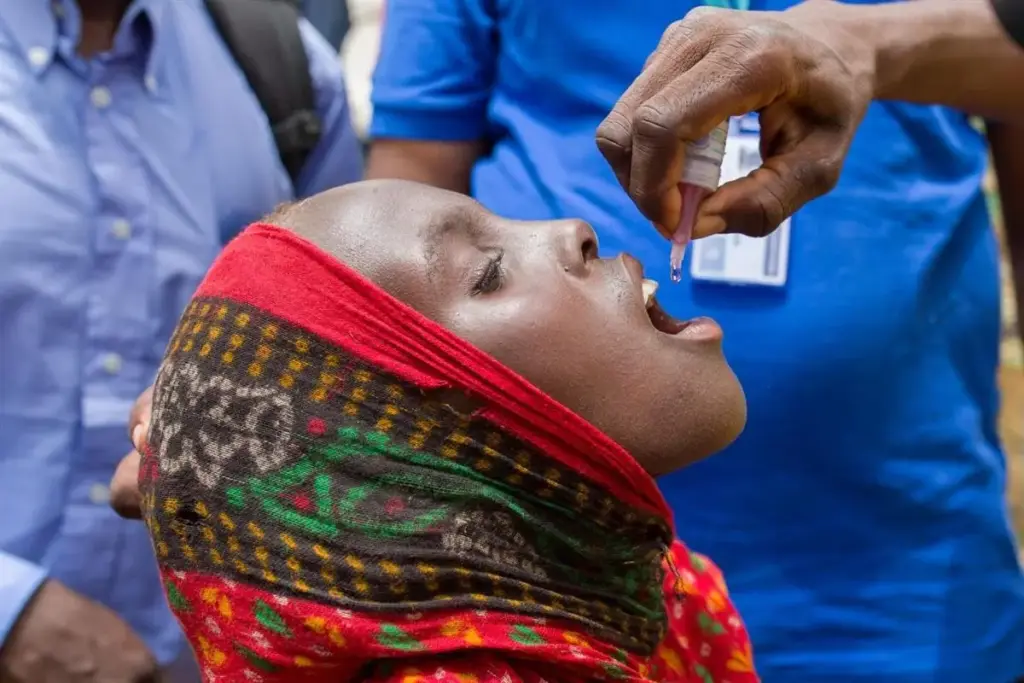
In what is being hailed as one of the most remarkable and inspiring public health achievements of our time, the Africa Regional Certification Commission has officially certified the World Health Organization (WHO) African Region as wild poliovirus-free. This monumental milestone comes after four consecutive years without a single recorded case of the wild virus across the continent.
With this historic declaration, five of the six WHO regions globally—collectively representing over 90% of the world’s population—are now entirely free of the wild poliovirus. This monumental accomplishment brings the global community significantly closer to achieving the ultimate goal of total global polio eradication. Following this massive victory, only two countries in the entire world continue to report ongoing wild poliovirus transmission: Pakistan and Afghanistan.
The Global Polio Eradication Initiative (GPEI) has extended its warmest congratulations and deepest gratitude to the national governments and populations of the 47 countries that comprise the WHO African Region for
their unwavering dedication, resilience, and hard work in reaching this historic turning point.
"Ending wild poliovirus in Africa is one of the greatest public health achievements of our time and provides powerful inspiration for all of us to finish the job of eradicating polio globally," said WHO Director-General Dr. Tedros Adhanom Ghebreyesus. "I thank and congratulate the governments, health workers, community volunteers, traditional and religious leaders, and parents across the region who have worked together to kick wild polio out of Africa."
The road to achieving this status was fraught with formidable obstacles that required extraordinary levels of leadership, coordination, and continuous innovation from health authorities and partner organizations. Countries across the vast and diverse continent had to successfully synchronize their efforts to overcome severe and complex barriers to immunizing children. Among these challenges were high levels of internal and cross-border population movement, persistent conflict and insecurity that frequently restricted access to vulnerable health services, and the inherent ability of the highly infectious virus to travel rapidly across national boundaries.
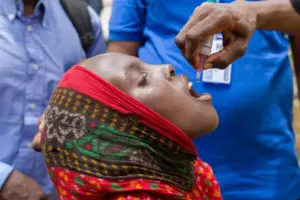
Furthermore, the enduring generosity and shared commitment of a broad coalition of donors—including national governments, the private sector, multilateral financial institutions, and philanthropic organizations—played a critical role. Their financial and logistical support helped build the robust health infrastructure that ultimately enabled the African region to reach more children than ever before with life-saving polio vaccines, effectively shutting down the pathways of the wild virus.
Reflecting on the magnitude of the achievement during a particularly difficult period for international health, Rotary International President Holger Knaack emphasized the power of sustained global collaboration.
"During a challenging year for global health, the certification of the African region as wild poliovirus-free is a sign of hope and progress that shows what can be accomplished through collaboration and perseverance," said Holger Knaack. "Since 1996, when Nelson Mandela joined with Rotary, the Global Polio Eradication Initiative, and governments of the African region, we’ve achieved something remarkable. Today’s milestone tells us that polio eradication is possible, as long as the world remains committed to finishing the job. Let us work together to harness our collective energies to overcome the remaining challenges and fulfil our promise of a polio-free world."
Beyond the immediate victory over polio, the vast resources, trained personnel, and specialized expertise deployed to eliminate the wild virus have left a lasting, positive legacy on Africa’s broader public health and outbreak response systems. The extensive polio eradication network has consistently provided far-reaching health benefits to local communities. For instance, the infrastructure and surveillance systems established for polio have been instrumental in supporting the African region’s ongoing response to the COVID-19 pandemic, while simultaneously bolstering routine immunization campaigns against a range of other dangerous, vaccine-preventable diseases.
However, health officials and international bodies stress that while this is a remarkable and historic milestone, there is no room for complacency. Continued, rigorous commitment to strengthening routine immunization and public health systems across the entire African region is deemed essential. This ongoing vigilance is necessary not only to protect the hard-won progress against the wild poliovirus but also to actively tackle the emerging threat posed by the spread of type 2 circulating vaccine-derived poliovirus (cVDPV2).
Currently, cVDPV2 remains present in 16 countries across the African region. Pockets of low community immunity mean that such vaccine-derived strains continue to pose a tangible threat to children. This risk has been further magnified by widespread interruptions in routine vaccination services caused by the disruptions of the COVID-19 pandemic, which have left certain communities temporarily more vulnerable to cVDPV2 outbreaks.
In light of these ongoing vulnerabilities, the Global Polio Eradication Initiative is issuing a strong call to action, urging all countries, partners, and donors to remain fully vigilant against all forms of polio. Experts emphasize that until every single strain of the virus is eradicated worldwide, the incredible progress made against polio globally will remain at risk.
The extraordinary success of the WHO African Region against wild polio has demonstrated to the global community that unprecedented progress against some of the world’s most daunting health challenges is entirely possible when nations unite for a common cause. The GPEI continues to express its profound gratitude to every individual, partner organization, donor, and national government that contributed time, resources, and unwavering dedication to bringing about this historic achievement.
The Global Polio Eradication Initiative operates as a complex public-private partnership led by national governments in close collaboration with six core partners: the World Health Organization (WHO), Rotary International, the US Centers for Disease Control and Prevention (CDC), UNICEF, the Bill & Melinda Gates Foundation, and Gavi, the Vaccine Alliance.