









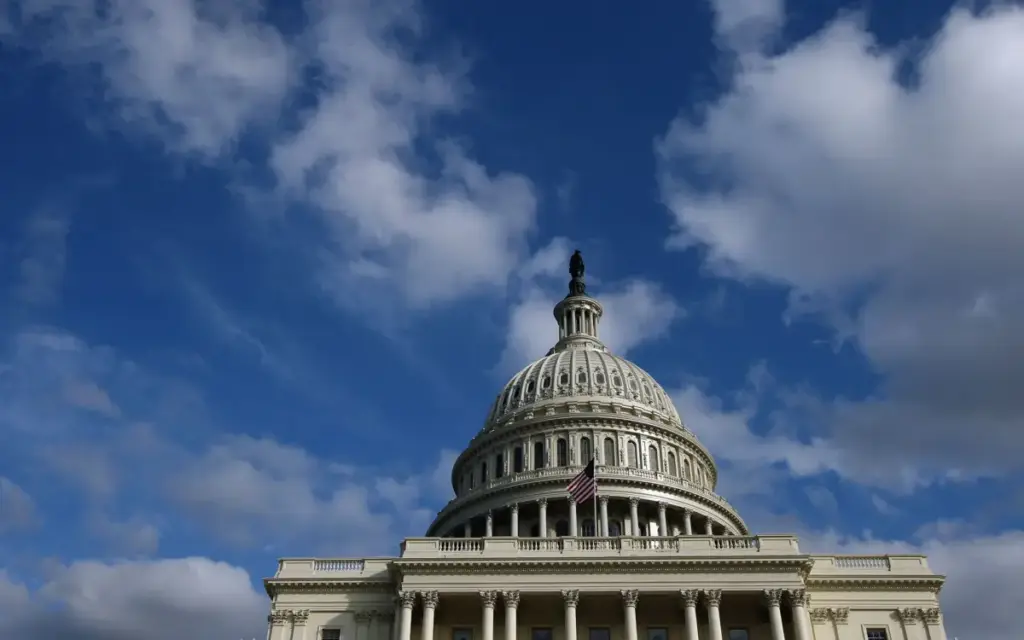
With Democrats poised to take control of both chambers of Congress, the balance of power in Washington is set for a significant realignment. For disability advocates and families across the nation, this shift represents more than just a change in leadership; it marks a potential turning point in a multi-year struggle to protect critical programs, including Medicaid and special education services, which have faced substantial pressure under the current administration.
As the new legislative session approaches, the Democratic majority will be armed with new tools to conduct oversight, challenge agency directives, and influence the federal appropriations process. For nearly two years, the disability community has operated in a defensive posture, watching as long-standing protections were dismantled or redirected. Now, there is a clear expectation that Congress will use its constitutional authority to demand accountability from federal agencies and begin the arduous process of untangling the policy changes that have defined the Trump administration’s approach to disability rights.
Michelle Uteza, executive director of the Disability Rights Education & Defense Fund, characterized the past two years as a period of unrelenting challenges for the disability community. "For almost two years, disabled people have taken hit after hit with little pushback from Capitol Hill," Uteza said. "A Congress willing to use its oversight and spending power can slow that damage, demand answers and make agencies follow the laws Congress wrote."

The stakes for the community are exceptionally high, given the breadth of the changes implemented since President Trump took office. The administration’s tenure has been marked by a series of aggressive policy maneuvers that have directly impacted the lives of millions. Among the most significant of these is the approval of nearly $1 trillion in cuts to Medicaid, a bedrock program that provides essential services for people with disabilities, including home and community-based care, medical equipment, and therapeutic support.
Beyond the financial impact, there have been structural changes to the federal bureaucracy that have alarmed stakeholders. Special education staffers were moved out of the U.S. Department of Education, a move that critics argue has fragmented oversight and diluted the effectiveness of federal support for students with disabilities. Furthermore, the Department of Justice—an agency historically charged with upholding the rights of the disabled—reversed its long-standing position regarding the right of individuals to access services within their own communities. This reversal, which challenges the fundamental principles established under the Americans with Disabilities Act, has left many advocates fearing that the progress of the last three decades is being actively eroded.
The incoming legislative majority is already signaling that it intends to prioritize these issues. Heather Sachs, policy and advocacy co-director at the National Down Syndrome Congress, expressed a sense of cautious optimism regarding the shift in the political landscape. "The election results offer renewed hope that we can reverse some of the serious threats facing people with disabilities, from devastating Medicaid cuts to the erosion of community living rights and protections for students with disabilities," Sachs noted. She added that there is also a growing push to address long-standing economic disparities, specifically by moving forward on federal legislation aimed at eliminating subminimum wages for workers with disabilities, a practice that has faced increasing scrutiny from civil rights organizations.
One of the most contentious battles expected in the coming months centers on the future of the U.S. Department of Education. President Trump has repeatedly campaigned on efforts to close or significantly downsize the agency. Under his current administration, the White House has moved to implement this vision through a series of "interagency agreements" designed to offload the department’s responsibilities to other branches of the federal government. One such agreement, finalized this summer, specifically mandated the transfer of many special education responsibilities to the Department of Health and Human Services. Critics argue that this maneuver not only complicates the delivery of essential services but also obscures accountability, as the Department of Education’s specific mission to support students is fundamentally different from the healthcare focus of the Department of Health and Human Services. Democrats in Congress are expected to use their new committee oversight powers to probe the legality and efficacy of these transfers.
Economic policy remains a primary focus for the incoming leadership as well. Rep. Hakeem Jeffries, D-N.Y., who is positioned to become the next speaker of the House, addressed the issue of federal spending on Tuesday night. Jeffries indicated that his party would make the reversal of the nearly $1 trillion in Medicaid cuts, which were approved during the previous legislative session, a central component of their agenda.
However, policy experts caution that legislative success is not guaranteed, even with a Democratic majority. The executive branch maintains significant power, particularly through the veto, which could be used to stall any efforts to restore funding or reverse administrative directives. Alison Barkoff, a professor at George Washington University who served as the head of the federal Administration on Community Living during the Biden administration, noted that the path forward remains complex. "Whether they will be successful will of course depend on whether President Trump vetoes those bills," Barkoff said. The legislative process will likely involve intense negotiations, and the threat of a presidential veto could force Democrats to pursue narrower, more strategic legislative fixes rather than sweeping policy reversals.
Despite these political hurdles, there is a pervasive sense among advocates that the shift in power will restore a level of bipartisan consensus that had previously been a hallmark of disability policy. For decades, disability rights were viewed as a foundational aspect of American civil rights, enjoying support from both sides of the aisle. The recent polarization, which has seen these rights become a target of partisan debate, is viewed by many as a departure from historical norms.
Jennifer Mathis, deputy director at the Bazelon Center for Mental Health Law, emphasized that the recent election may serve as a broader indicator of public sentiment. "Disability rights have long enjoyed bipartisan support, but the current administration has sharply diverged from that history, attacking rights as fundamental as the right of disabled people to live and receive services in their own homes and communities," Mathis stated. "By all accounts, this election appears to have been a referendum on the current administration’s policies, so the results bode well for a return to support for these rights."
As the transition of power nears, the focus of disability organizations is turning toward the immediate steps needed to stabilize the programs that have been most affected by recent cuts. For families, students, and workers with disabilities, the promise of oversight hearings and potential legislative reversals offers a glimmer of hope that the federal government may once again move toward a policy framework that prioritizes accessibility, community integration, and the protection of civil rights.
The coming months will be a critical test of whether the legislative branch can successfully assert its role in shaping policy and whether the administration will be willing to engage in a dialogue that includes the needs and rights of the disability community. For now, the focus remains on the halls of Congress, where the new majority will soon have the opportunity to prove that the concerns of the disability community are once again a central priority in the national legislative agenda. The intersection of budget, oversight, and civil rights will define the next chapter for disability advocates, who are preparing to hold policymakers to the promises made on the campaign trail to restore and protect the essential services upon which so many Americans depend.