








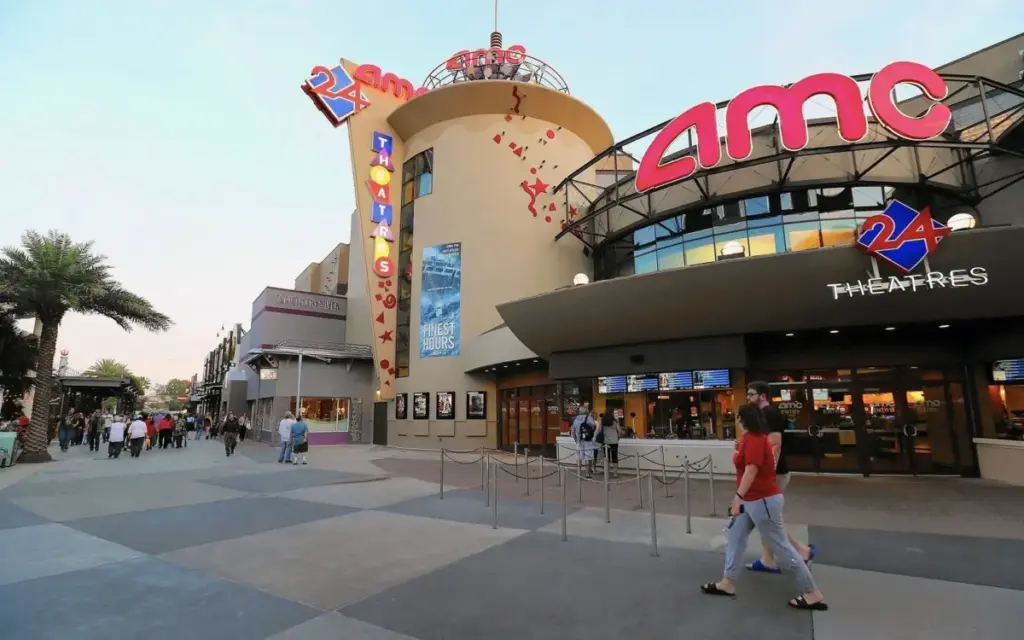
The nation’s largest movie theater chain, AMC Theatres, has agreed to a $56,000 financial settlement and comprehensive operational changes to resolve a federal disability discrimination lawsuit. The legal action stemmed from allegations that the company illegally forced out a dedicated employee who has cerebral palsy and had given more than two decades of service to the company.
Under the terms of the agreement announced by the U.S. Equal Employment Opportunity Commission, American Multi-Cinema—operating as AMC Theatres—will compensate the former employee for the losses he incurred. Beyond the financial payout, the nationwide theater operator is required to overhaul and update its internal policies and procedures. These changes will specifically focus on how the corporation handles requests for reasonable accommodations under the Americans with Disabilities Act, commonly known as the ADA, and how it prevents and addresses disability-based discrimination in the workplace.
Additionally, AMC Theatres must implement mandatory training programs for its staff regarding workplace rights and protections for individuals with disabilities. The company is also mandated to post an official employee notice in its facilities detailing federal regulations regarding disability discrimination, ensuring that staff members across its locations are informed of their rights and the legal obligations of their employer.
The federal settlement concludes a legal battle initiated when the EEOC filed a lawsuit against AMC Theatres on behalf of Marc Gillis. Gillis had established a long and stable career with the company, working at an AMC cinema location in Owings Mills, Maryland, for an impressive 22 years. For over two decades, Gillis had successfully integrated into the theater’s daily operations, demonstrating his commitment to his profession until a sudden change in management altered his working environment and ultimately ended his tenure with the company.
According to the details outlined in the EEOC lawsuit, the situation at the Owings Mills theater shifted dramatically for Gillis after he was assigned a new manager. The complaint alleged that the incoming manager subjected Gillis to hostile treatment, which included shouting at him and arbitrarily reducing his work hours. Crucially, the lawsuit stated that the new management failed and refused to provide Gillis with basic, reasonable accommodations that he required to perform his job duties effectively given his cerebral palsy.
Specifically, Gillis had requested straightforward adjustments to his daily tasks that would have allowed him to continue working safely and efficiently. These accommodations included a ticket scanner equipped with a specialized strap and a side button, which would have made it easier for him to hold and operate the scanning equipment without physical strain. Furthermore, he requested a large-font printed list that clearly displayed each movie title and the corresponding auditorium number, aiding him in directing patrons accurately. Despite the modest nature of these requests, the lawsuit asserted that management ignored them, creating an untenable work environment before ultimately stopping the practice of placing Gillis on the work schedule altogether, effectively severing his employment after 22 years of service.
Federal officials emphasized the critical importance of upholding the standards set by the landmark civil rights legislation that protects workers with physical and developmental disabilities. The case serves as a reminder of the ongoing responsibilities that corporate employers hold under federal law.
"From its inception, the ADA has protected the right of people with significant disabilities like cerebral palsy to participate fully in the workforce," said Karen McDonough, acting field office director for the EEOC in Baltimore, highlighting the core principles behind the federal agency’s intervention in the matter. "Employers have a legal obligation to provide reasonable accommodations, and the EEOC will hold them accountable when they fail to do so."
The resolution of the dispute marks the end of a high-profile enforcement action by the federal government against one of the most prominent entertainment and hospitality corporations in the United States. Representatives and corporate officials with AMC Theatres did not respond to requests for comment regarding the finalization of the settlement or the specific policy changes the company has agreed to implement across its theater network.