







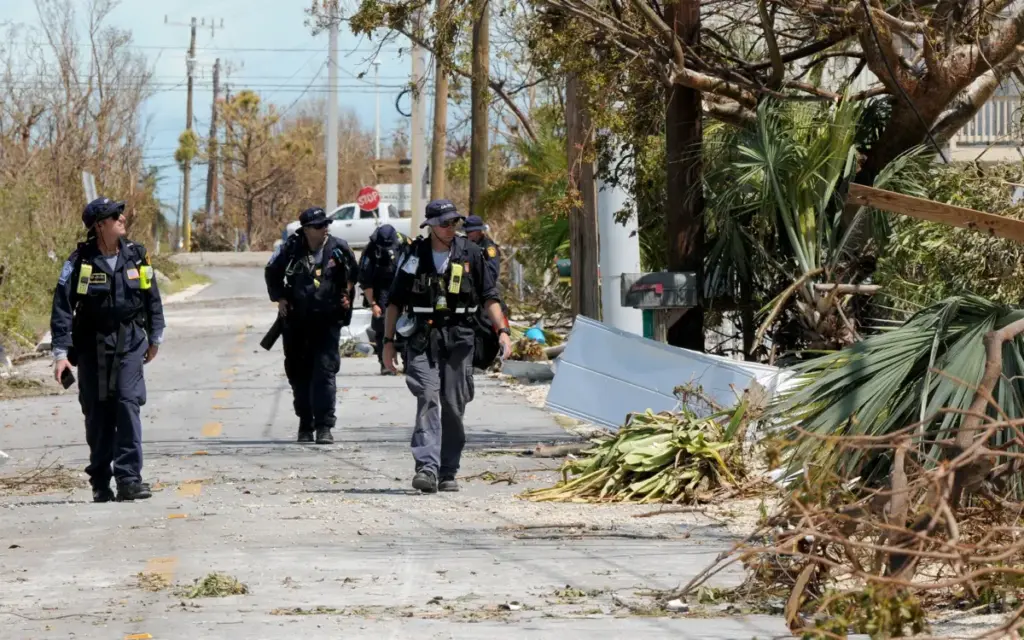
The nation’s top emergency response agency has announced it will bring back specialized training focused on meeting the needs of people with disabilities during disasters, reversing a suspension that has lasted for more than a year.
The Federal Emergency Management Agency removed the training from its active curriculum in response to various executive orders, according to a comprehensive report issued this week by the U.S. Government Accountability Office. Because of that decision, no specialized disability-focused preparedness and response training has been offered by the agency for well over a year, leaving a significant gap in disaster management education across the country.
Federal watchdogs warned that this suspension created profound vulnerabilities for vulnerable populations during times of crisis. Without this crucial instruction, FEMA’s state, local, tribal, and territorial partners risk not being able to effectively assist people with disabilities when severe weather, natural disasters, or other emergencies strike, the GAO emphasized in its findings, urging the agency to swiftly reverse course and restore the educational programs.
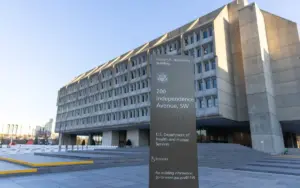
In response to the government watchdog’s report and recommendations, FEMA officials stated that the agency will indeed restore the training.
FEMA agrees with the importance of providing state, local, tribal, and territorial partners with practical training and technical assistance to support emergency management so that the needs of individuals with disabilities are addressed before, during, and after disasters, the agency communicated in its official response to the GAO.
To ensure the curriculum meets modern standards and adequately addresses the complex challenges faced during large-scale emergencies, FEMA indicated that it will redesign and strengthen training support before determining the best approach to make the resources widely available again. The agency estimated that this comprehensive curriculum overhaul and implementation process is expected to be fully complete by next September.
The oversight report extended beyond the restoration of the training curriculum, highlighting several other areas where emergency response frameworks must be improved to better serve individuals with physical, cognitive, and developmental disabilities. In addition to the recommendation to reinstate disability training, the GAO also urged FEMA to standardize the role of its regional disability specialists who coordinate closely with local emergency officials on the ground. Furthermore, the agency was advised to actively solicit feedback from people with disabilities to improve its overall process for disaster assistance applications.
Federal officials confirmed that the agency will follow through on all of these suggestions to ensure a more inclusive and equitable approach to disaster relief and recovery operations.
The necessity of these reforms was underscored by stark data highlighted in the GAO report. The federal watchdog noted that people with disabilities are historically more likely than others to experience severe hardship resulting from a natural disaster or national emergency. However, data covering the period between 2022 and 2025 revealed a troubling disparity: during those years, individuals with disabilities were statistically less likely to be approved for financial and material assistance directly from FEMA compared to the general population.
Emergency management advocates and government oversight bodies hope that the reinstatement of the specialized training, alongside standardized regional roles and streamlined application processes informed by direct community feedback, will help bridge this gap and ensure that federal disaster response leaves no one behind.