








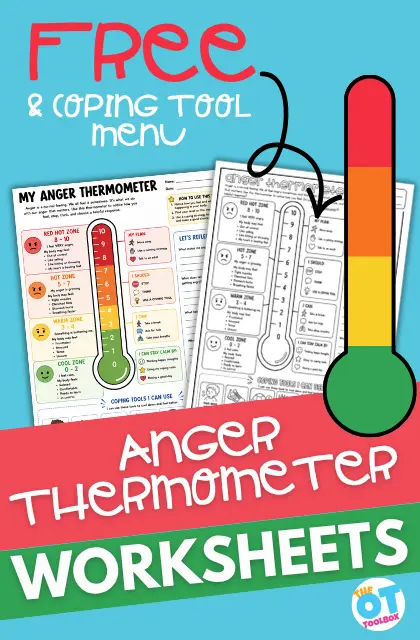
A newly released free printable tool designed by occupational therapy professionals aims to help children, teens, and adults better navigate emotional intensity through a visual approach known as the anger thermometer. Developed as part of an ongoing occupational therapy resource series, the tool is structured to support several interconnected areas of daily functioning that often impact overall occupational participation, including emotional regulation, executive functioning, self-awareness, social participation, impulse control, conflict resolution, and interoception.
While the concept of an emotional meter is not entirely new within clinical and educational settings, the latest resource bridges the gap between simple feeling recognition and the complex underlying mechanics of daily performance. According to occupational therapy experts, while anger is a completely normal human emotion experienced by everyone in the form of frustration, irritation, and disappointment, the true challenge lies in how individuals recognize those sensations and choose to respond. Without adequate self-awareness and structured regulation strategies, escalating anger can significantly disrupt personal relationships, school performance, work participation, daily routines, and overall well-being.
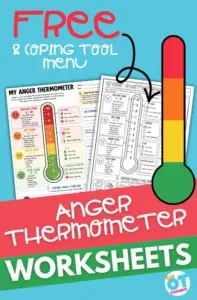
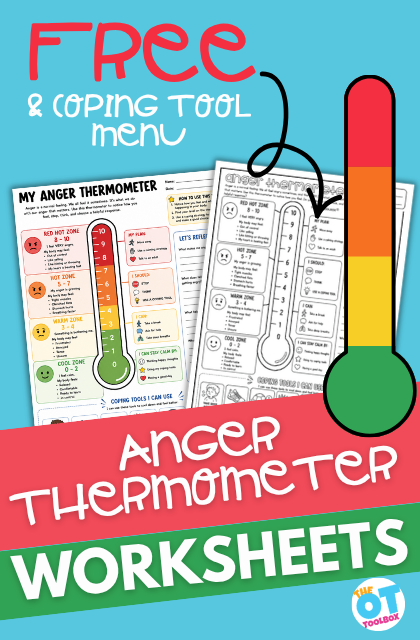
The newly introduced anger thermometer resource functions as a visual scale that helps users identify their emotional intensity, recognize early warning signs, and develop a structured plan to respond to frustration in healthier ways. By plotting emotions along a thermometer gradient, individuals can learn to detect when feelings are starting to build rather than appearing suddenly. This allows them to practice stopping, thinking, and selecting an appropriate reaction before reaching an emotional breaking point. Professionals can utilize the tool as a self-monitoring instrument, an emotional regulation exercise, or an executive functioning support mechanism to foster a deeper understanding of how internal states affect daily life.
Understanding the Continuum of Emotional Intensity
The framework of the anger thermometer is built upon the premise that emotions do not simply exist as strictly "good" or "bad," but rather occur along a continuous spectrum. Similar to how a standard household thermometer measures shifts in temperature, an emotional thermometer tracks the rising intensity of feelings from a state of calm to complete overwhelm.
To make this concept accessible, the tool often incorporates numerical scaling to grade varying levels of emotional discomfort. This numerical grading helps individuals build emotional awareness and pinpoint specific windows of opportunity where coping strategies can be successfully deployed before distress reaches peak levels. This approach shares conceptual similarities with other established frameworks, such as the engine-speed levels utilized in the Alert Program or the color-coded categories of the Zones of Regulation. However, the primary focus of this specific instrument centers directly on anger and the physiological responses associated with it.
The Role of Self-Awareness in Managing Escalation
A central theme emphasized by occupational therapists is the critical role that self-awareness plays in emotional regulation. Many children, teenagers, and even adults struggle to identify the early warning signs of rising frustration until their emotions have already boiled over. In many cases, an individual may only recognize an internal shift after they have already begun yelling, arguing, shutting down entirely, withdrawing from social environments, or engaging in impulsive behaviors.
By encouraging individuals to pause and reflect on their internal state, the anger thermometer fosters metacognition—the cognitive ability to actively think about one’s own thoughts and actions. This process prompts users to evaluate their current emotional standing and consider how those feelings might impact their immediate environment and upcoming interactions.
Connecting Emotional Regulation to Executive Functioning
Beyond simple emotional identification, the anger thermometer serves as a vital support tool for executive functioning skills. Executive functions are responsible for helping individuals monitor their emotional states, control impulses, solve complex problems, and make thoughtful, deliberate decisions. When emotions intensify rapidly, executive functioning efficiency often declines, making it difficult for a person to pause and evaluate their choices.
The visual and reflective nature of the tool actively reinforces several key cognitive processes, including self-monitoring to detect changes in emotional intensity, inhibitory control to pause before reacting impulsively, and emotional control to manage strong feelings appropriately. Additionally, it encourages cognitive flexibility by prompting individuals to consider alternative responses, enhances metacognition through reflection on behaviors, and aids in problem-solving by guiding users toward constructive strategies that can improve difficult situations. For many clients, difficulties with emotional regulation are deeply intertwined with underlying executive functioning challenges, making tools that bridge these domains essential for holistic care.
Recognizing Body Clues and Personal Triggers
Physical sensations often serve as the earliest indicators of rising anger, frequently manifesting in the body long before any outward behavioral changes occur. The anger thermometer framework encourages users to identify their unique physiological warning signs as emotional tension increases. These physical clues can range from rapid heartbeat and clenched fists to stomach aches, muscle tension, or a feeling of heat in the face. Recognizing these physiological signals allows individuals to deploy coping mechanisms much earlier in the escalation cycle.
In tandem with body clues, the resource addresses the identification of specific triggers—defined as the situations, demands, interactions, or environmental experiences that reliably increase emotional intensity. Common triggers often include unexpected changes in routine, difficult transitions, academic or workplace demands, sensory overstimulation, or conflicts with peers and authority figures. By mapping out these personal triggers and reflecting on recurring patterns, individuals can better prepare for challenging scenarios that may require additional environmental or emotional support.
Implementing Coping Strategies and Action Plans
Once an individual successfully identifies their current anger level and recognizes the early warning signs, the next crucial step involves selecting an appropriate coping strategy. Occupational therapists emphasize that the most effective coping tools are utilized long before anger reaches its highest, most unmanageable thresholds. These strategies can encompass a wide variety of approaches, ranging from deep breathing exercises and sensory-based calming techniques to taking a structured break or engaging in physical movement.
The ultimate objective of these interventions is not to eliminate anger entirely—as anger remains a natural human response—but rather to empower individuals to respond in a manner that supports participation and prevents negative social or personal consequences. To facilitate this process, the worksheet includes a structured anger action plan. This plan prompts users to pre-determine specific actions they will take at different numerical thresholds on the thermometer. For instance, an individual might plan to use deep breathing during lower levels of frustration, step away to speak with a trusted adult during moderate escalation, utilize a dedicated coping toolbox during higher distress, and move to a designated safe space when feeling completely overwhelmed.
Application Across Diverse Occupational Settings
Occupational therapists frequently address emotional regulation because an individual’s emotional state directly influences their ability to successfully participate across all meaningful occupations, as outlined in the Occupational Therapy Practice Framework. The anger thermometer can be seamlessly integrated into interventions addressing social participation, such as managing peer interactions and family relationships; education, including following classroom expectations and handling academic transitions; and work environments, where maintaining professional relationships and accepting constructive feedback are paramount. Furthermore, these regulation strategies support activities of daily living and instrumental activities of daily living, helping clients complete necessary self-care and household routines despite emotional obstacles.
Ultimately, the resource provides a structured framework for discussions surrounding social interaction and emotional health. Whether utilized in school-based occupational therapy sessions, outpatient clinics, mental health programs, or domestic environments, tools of this nature encourage individuals to pause, evaluate their internal climate, and make deliberate choices. By fostering these skills across the lifespan, clinicians hope to build lasting emotional resilience and independence for individuals navigating the complexities of daily life.