







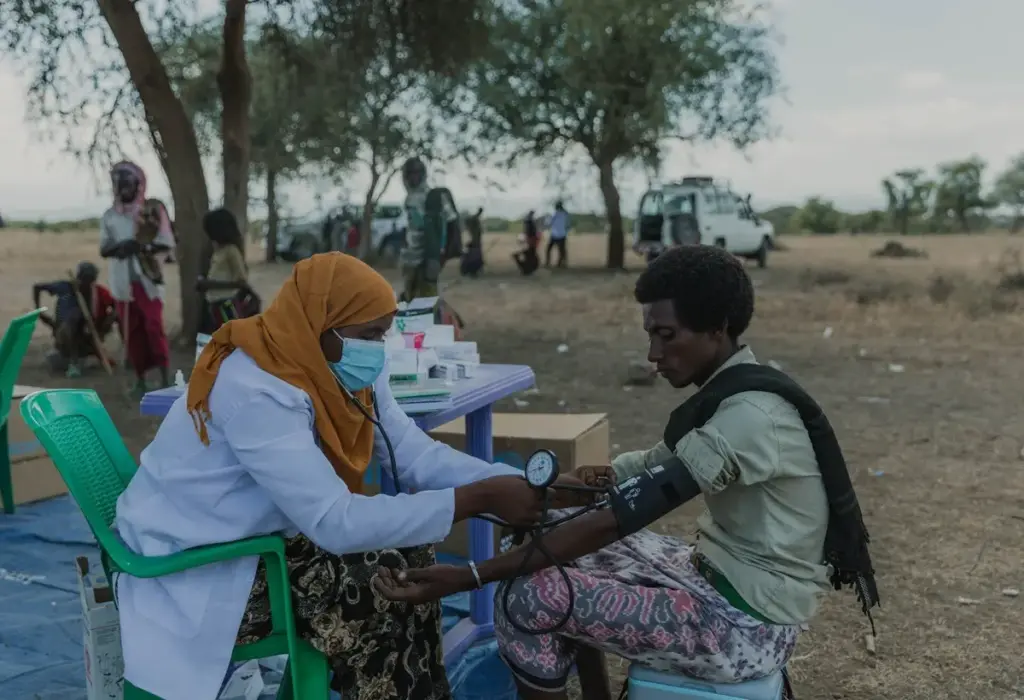
The World Health Organization (WHO) has released its first-ever comprehensive report detailing the devastating global impact of high blood pressure, commonly known as hypertension, alongside critical recommendations on how nations can effectively combat what health officials describe as a silent killer. The landmark publication reveals a striking global healthcare gap: approximately four out of every five people living with hypertension are not receiving adequate treatment. However, the report also offers a powerful note of optimism, projecting that if countries can successfully scale up treatment coverage to meet high-performing standards between 2023 and 2050, an estimated 76 million deaths could be averted.
Hypertension is a pervasive global health crisis, currently affecting one in every three adults worldwide. This common yet profoundly dangerous condition acts as a primary catalyst for severe, life-threatening medical events, including strokes, heart attacks, heart failure, kidney damage, and a wide array of other debilitating health complications. The scale of the epidemic has expanded dramatically over recent decades. Data compiled in the report shows that the number of people living with hypertension—defined as individuals with a blood pressure reading of 140/90 mmHg or higher, or those actively taking medication to manage the condition—doubled between 1990 and 2019. The affected population surged from 650 million to 1.3 billion people globally.
Compounding the crisis is a severe lack of awareness. Nearly half of all people living with hypertension around the world are currently unaware that they have the condition, leaving them vulnerable to sudden, catastrophic health emergencies without warning. Furthermore, the burden of the disease is heavily skewed geographically and socioeconomically, with more than three-quarters of all adults with hypertension living in low- and middle-income countries.

While older age and genetics are established risk factors that can increase an individual’s susceptibility to high blood pressure, a range of modifiable lifestyle choices significantly contributes to the onset and severity of hypertension. Factors such as maintaining a high-salt diet, failing to engage in regular physical activity, and consuming excessive amounts of alcohol are major drivers of the condition. Fortunately, these risk factors can be addressed through targeted behavioral and medical interventions. Lifestyle modifications, including adopting a healthier and more balanced diet, quitting tobacco use, and increasing physical activity, can help lower blood pressure levels. For many individuals, these measures must be complemented by safe, effective medications designed to control hypertension and prevent its severe related complications.
Public health experts emphasize that the prevention, early detection, and effective management of hypertension represent some of the most cost-effective interventions available in modern healthcare. Consequently, these measures should be prioritized by national governments as a core component of the essential health benefit packages offered at the primary care level. Economic analyses underscore the profound value of these programs, indicating that the broader economic benefits of improved hypertension treatment initiatives outweigh their implementation costs by a ratio of approximately 18 to 1.
Dr. Tedros Adhanom Ghebreyesus, WHO Director-General, highlighted the stark contrast between the simplicity of treatment and the neglect of public programs during the report’s launch. Hypertension can be controlled effectively with simple, low-cost medication regimens, and yet only about one in five people with hypertension have actually brought it under control, Dr. Tedros noted. He stressed that hypertension control programs remain neglected, under-prioritized, and vastly underfunded globally. Strengthening hypertension management must be integrated into every country’s journey toward universal health coverage, anchored by well-functioning, equitable, and resilient health systems built upon a solid foundation of primary healthcare.
The report was unveiled during the 78th Session of the United Nations General Assembly, a high-level gathering addressing critical progress toward the Sustainable Development Goals. These discussions encompass vital health objectives, including pandemic preparedness and response, ending tuberculosis, and attaining universal health coverage. As health leaders noted, better prevention and control of hypertension will be essential to achieving progress across all of these interconnected global health targets.
If global health systems can successfully increase the number of patients effectively treated for hypertension to match the high-performing standards already observed in leading countries, the human toll averted would be staggering. Projections indicate that between now and 2050, such an achievement could prevent not only 76 million deaths but also 120 million strokes, 79 million heart attacks, and 17 million cases of heart failure.
Michael R. Bloomberg, WHO Global Ambassador for Noncommunicable Diseases and Injuries, emphasized the preventability of cardiovascular crises through accessible means. Most heart attacks and strokes in the world today can be prevented with affordable, safe, accessible medicines and other public health interventions, such as sodium reduction, Bloomberg stated. Treating hypertension directly through primary health care systems will save countless lives while simultaneously saving billions of dollars every year.
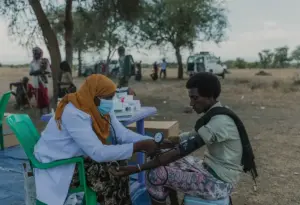
Managing hypertension does not require complex or prohibitively expensive medical infrastructure. The condition can be treated effectively using safe, widely available, low-cost generic medications administered through established frameworks. Tools such as the WHO HEARTS technical package for cardiovascular disease management in primary health care, alongside the organization’s guidelines for the pharmacological treatment of hypertension in adults, provide proven, practical steps for countries seeking to deliver high-quality hypertension care in grassroots settings.
Evidence shows that effective community- and country-wide blood pressure management is achievable across nations of all income levels. More than 40 low- and middle-income countries, including Bangladesh, Cuba, India, and Sri Lanka, have successfully strengthened their domestic hypertension care using the HEARTS package, collectively enrolling more than 17 million people into structured treatment programs. Meanwhile, nations such as Canada and South Korea have implemented comprehensive national treatment programs, allowing both countries to surpass the crucial 50% mark for blood pressure control among adults living with hypertension. These success stories demonstrate that sustained, systematic national control programs can succeed, translating high levels of blood pressure control into fewer strokes, fewer heart attacks, and longer, healthier lives for citizens.
The new WHO report outlines essential components required for effective hypertension care to save lives on a mass scale. Experts point out that the institutional knowledge and practical frameworks needed to achieve these goals are already well-established. Dr. Tom Frieden, President and CEO of Resolve to Save Lives, underscored the urgency of translating existing medical capabilities into widespread public health action. Every hour, more than 1 000 people die from strokes and heart attacks, Dr. Frieden observed. Most of these deaths are caused by high blood pressure, and most could have been prevented. Good hypertension care is affordable, within reach, and strengthens primary health care. The challenge now is to go from within reach to reached, which will require the dedicated commitment of governments around the world.
To support these global efforts, the WHO has partnered with Resolve to Save Lives, a non-profit organization dedicated to assisting countries in implementing the HEARTS technical package. This strategic, step-by-step approach helps nations enhance primary healthcare settings through standardized screening and treatment protocols. Since 2017, these global life-saving initiatives have received substantial backing from Bloomberg Philanthropies. Michael R. Bloomberg has served as the WHO Global Ambassador for Noncommunicable Diseases and Injuries since 2016, guiding public health investments that encompass major initiatives to reduce tobacco and youth e-cigarette use, support healthy food policies, prevent drowning, and improve road safety and maternal health. In July 2022, Bloomberg Philanthropies expanded its commitment by investing an additional $115 million into its Cardiovascular Health initiative, bringing its total dedicated funding to $216 million since 2017 to continuously drive down preventable deaths from heart disease worldwide.