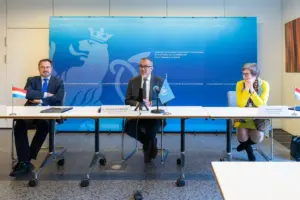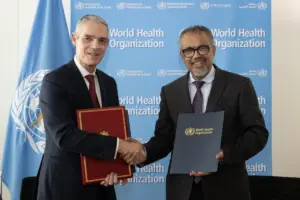







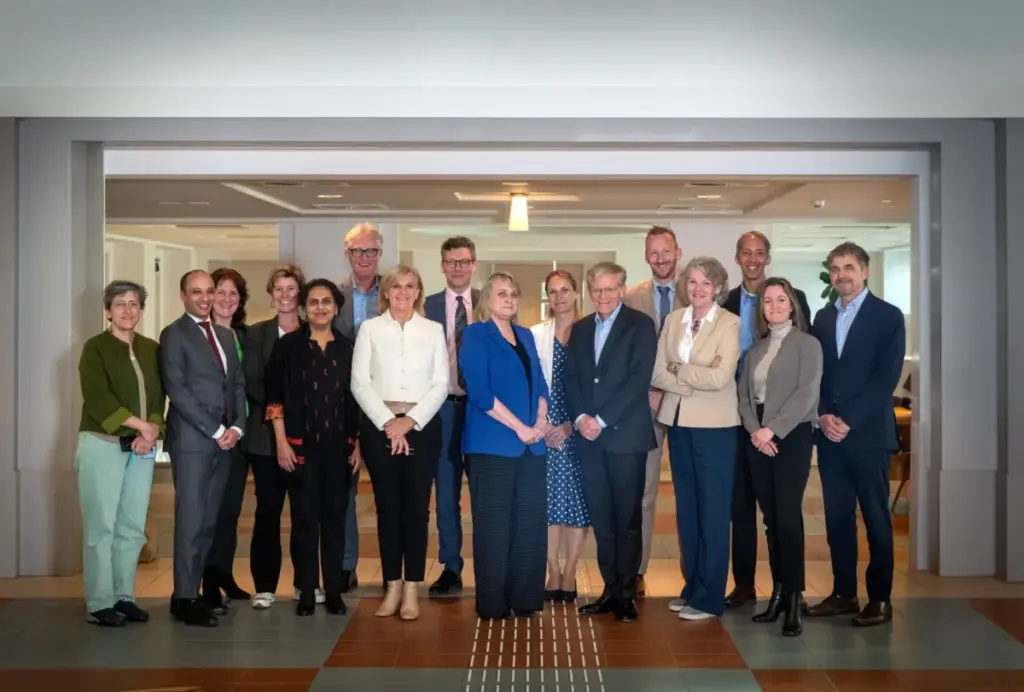
THE HAGUE — Against a complex backdrop of ongoing geopolitical conflicts, escalating climate change impacts, and rising global health inequities, the World Health Organization (WHO) and the Government of the Netherlands convened in The Hague on 10 April 2024 for their latest high-level Strategic Dialogue. The meeting marked a significant milestone in a longstanding and robust partnership, serving as a critical platform to align joint priorities, evaluate shared achievements, and chart a long-term vision for international public health cooperation.
The discussions focused heavily on ensuring that the Dutch Global Health Strategy remains deeply synchronized with the WHO’s key strategic objectives, including the upcoming 14th General Programme of Work. By fostering this close alignment, both delegations sought to reinforce multilateral cooperation to address pressing global and domestic health demands.
Ms. Marjolijn Sonnema, Director General for Public Health at the Netherlands’ Ministry of Health, Welfare and Sport, underscored the cooperative spirit of the gathering. Reflecting on the proceedings, she noted that throughout all sessions, the WHO and the Netherlands demonstrated an unwavering commitment to deepening their partnership, driven by the strong natural alignment between their respective strategic priorities and policy objectives.
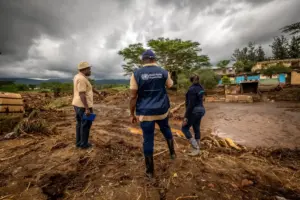
The dialogue took place at a time when domestic public health landscapes, including that of the Netherlands, are increasingly intertwined with complex global health dynamics. With compounding crises such as natural disasters and humanitarian emergencies testing health systems worldwide, both parties emphasized that sustained collaboration is more vital than ever to comprehensively address modern health threats.
A central outcome of the 10 April meeting was the formal recognition of shared strategic pathways between Dutch foreign and public health policies and the WHO’s forthcoming overarching framework. This synergy is designed to streamline cooperative efforts across several critical domains, including health system strengthening, comprehensive pandemic preparedness and response, the accelerating intersection of climate change and human health, combating antimicrobial resistance (AMR), and expanding mental health support systems globally.
Dr. Bruce Aylward, WHO Assistant Director-General for Universal Health Coverage and Life Course, highlighted the indispensable role the Netherlands plays as a trusted international partner during a period of mounting global pressure. He pointed out that at a time when disparities in health and access to essential medical services are widening—disproportionately punishing the world’s poorest and most vulnerable populations—the Netherlands continues to act as a steadfast global health leader.
Dr. Aylward further emphasized that with shared priorities firmly rooted in the protection of sexual and reproductive health and rights, gender equity, health security, climate resilience, and mental health, the WHO looks forward to deepening its collaboration with the Dutch government to permanently enhance the health and well-being of populations both globally and within the Netherlands.
Taking stock of joint achievements since the previous strategic dialogue held in 2022, the 2024 meeting allowed officials to evaluate how effectively recommendations from two years prior had been translated into tangible action. The 2022 dialogue had explicitly called on both partners to maximize synergies between the WHO’s global agenda and the newly introduced Dutch Global Health Strategy. The latest assessment confirmed that this collaborative approach has successfully guided joint interventions, paving the way for optimized resource utilization and measurable improvements in health outcomes worldwide.

A significant portion of the discussions in The Hague also addressed the structural foundations of global health governance, specifically focusing on financial sustainability. The WHO formally acknowledged the Netherlands’ exemplary global leadership as a flexible donor. Both delegations reached a shared understanding regarding the critical imperative to secure predictable, sustainable, and flexible financing for the WHO, particularly through the framework of the inaugural WHO Investment Round. This major global initiative is designed to mobilize the resources required for the organization to respond swiftly, effectively, and independently to sudden public health emergencies while steadily improving health outcomes for vulnerable groups.
While navigating contemporary obstacles such as geopolitical tensions and fractured international cooperation, the delegates also concentrated on identifying and seizing strategic opportunities to advance overarching global health objectives. The discussions reaffirmed that maintaining open channels of communication and robust bilateral engagement remains essential for overcoming systemic barriers to health equity.
The outcomes of the 2024 Strategic Dialogue are expected to directly inform the trajectory of future collaboration between the Netherlands and the WHO. By ensuring that institutional efforts remain tightly coordinated and that financial and technical resources are deployed with maximum efficiency, both partners aim to accelerate progress toward universal health coverage and sustainable global health security. The enduring relationship between the Netherlands and the WHO continues to serve as a cornerstone of the modern global health architecture, embodying a steadfast, shared dedication to advancing health and human well-being across borders.
The Netherlands has long maintained its position as a cornerstone supporter and strategic pillar for the World Health Organization, contributing not only through financial investments but also via technical expertise and diplomatic advocacy.
During the 2022–2023 funding biennium, the Netherlands solidified its status as one of the top five flexible contributors to the WHO, providing nearly US$ 19 million in core voluntary contributions. Overall, Dutch financial contributions to the organization exceeded US$ 106 million during that two-year period. Crucially, approximately 90 percent of this total—amounting to more than US$ 93 million—consisted of flexible voluntary funding, granting the WHO the vital agility needed to deploy resources where they are most urgently required.
Beyond financial backing, the Netherlands actively contributes to the WHO’s technical capacity by seconding top-tier experts and supporting the next generation of global health professionals through initiatives such as the WHO’s Junior Professional Officer Programme, which helps foster young careers in international public health.
This extensive support reflects a coordinated cross-governmental commitment—spearheaded by both the Ministry of Foreign Affairs and the Ministry of Health, Welfare and Sport—to uphold the WHO’s central, coordinating role in the global health architecture.
Through these targeted investments and collaborative frameworks, the Netherlands directly empowers crucial programmatic activities across a wide spectrum of public health disciplines. These include pioneering work in sexual and reproductive health and rights, improvements in global water, sanitation, and hygiene, the expansion of mental health interventions in humanitarian emergencies, enhancement of national and international emergency preparedness, the ongoing fight against tuberculosis, the implementation of cross-sectoral One Health approaches, the strengthening of primary health care systems, and coordinated efforts to tackle the escalating threat of antimicrobial resistance. Furthermore, this strategic partnership actively facilitates invaluable cooperation between the WHO and premier Dutch academic and public health institutions.