








Ireland is rapidly emerging as a prominent global leader in the field of health innovation, specifically through its pioneering use of digital technologies to dismantle barriers to healthcare access. In close alignment with the strategic objectives of the World Health Organization (WHO), Ireland has recognized the critical global importance of mobilizing assistive technology. Currently, an estimated 2.5 billion people worldwide are in urgent need of such support, including older persons, individuals living with disabilities, and those managing various long-term health conditions. This comprehensive mission centers on guaranteeing equitable access to essential assistive products that fundamentally transform daily life, ranging from everyday items like glasses, hearing aids, walking aids, and wheelchairs to advanced prosthetics, as well as specialized communication and memory devices.
The commitment of the Irish government to this vital international cause reached a significant milestone in March 2024. Anne Rabbitte, T.D., Ireland’s Minister of State with special responsibility for disabilities at the Department of Children, Equality, Disability, Integration and Youth, formally agreed to a substantial €12.5 million donor agreement between the Government of Ireland and the WHO. This substantial financial commitment is specifically targeted at accelerating the affordability, availability, and overall provision of assistive technology for vulnerable populations across the globe who require these life-changing products to maintain their independence and dignity.
This landmark agreement is not an isolated initiative, but rather the natural continuation of a deep and enduring cooperation that has steadily strengthened over the years. Back in 2022, Taoiseach Micheál Martin, T.D., stood alongside the Director-General of the WHO and the Executive Director of UNICEF to launch the landmark Global report on assistive technology. During the launch event, the Taoiseach strongly emphasized the critical importance of robust international cooperation. He noted that such collaboration is absolutely essential to guarantee more equitable access to assistive technology, ultimately aiming to achieve a cohesive society where every individual is fully included and genuinely enabled to live their best possible life.

Reflecting on the motivations behind Ireland’s recent financial pledge, Minister Rabbitte elaborated on the pressing challenges facing global health systems today. She stated that Ireland has clearly identified the profound need to invest heavily in public health systems in direct partnership with the WHO. According to the Minister, the contemporary risk of rapidly rising health needs, coupled with a steadily decreasing pool of health and social care professionals on a global scale, reveals an urgent, undeniable need for all nations to act decisively and immediately.
Minister Rabbitte further explained that Ireland’s financial contribution directly aligns with the core recommendations outlined in the Global Report on Assistive Technology. Furthermore, it provides vital support for a comprehensive five-year initiative dedicated to achieving sustainable national health system models that seamlessly integrate assistive technology into their core operations. The upcoming programme will actively explore and demonstrate how modern digital technology can powerfully facilitate people-centred services, shape forward-thinking assistive technology policies, and drastically improve the affordability and appropriateness of various assistive products. Additionally, the initiative aims to enable highly effective provision systems while simultaneously boosting the operational capacity of health personnel to properly identify, screen, refer, and provide assistive technology for all those in need within their communities.
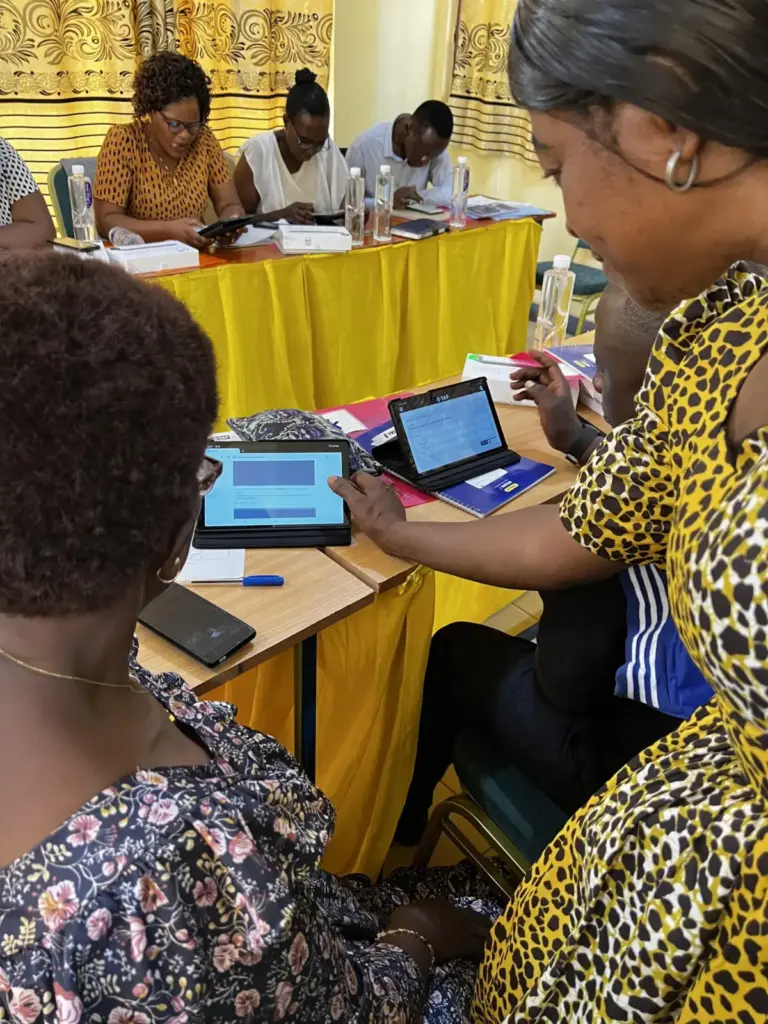
The transformative impact of digital integration in this sector is already visible in field operations supported by the broader global network. Health personnel in various regions, such as Tanzania, have actively participated in specialized online training programs focused on assistive products. These initiatives form part of an overarching program aimed at the localized provision of simple assistive products through community and primary health care facilities. By decentralizing these services, products such as walking aids and reading glasses are made significantly more readily available for people within their immediate local areas. Digital technology has proven instrumental throughout this process, not only by facilitating efficient, accessible learning through specialized online platforms, but also by enabling continuous, reliable support for local health workers from their designated mentors via communication apps long after the initial training phase has concluded.
Looking toward the future, the demand for these services is projected to soar dramatically. With an increasingly aging global population and a steady rise in the prevalence of noncommunicable diseases, experts project that an estimated 3.5 billion people will require assistive technology by the year 2050. Dr. Yukiko Nakatani, WHO Assistant Director-General for Access to Medicines and Health Products, has warmly welcomed this important and timely financial contribution from Ireland, praising the nation’s steadfast leadership in championing this critical digital initiative.

Dr. Nakatani emphasized the historical mandate guiding the organization’s current efforts, noting that the 2018 World Health Assembly resolution on assistive technology explicitly calls upon the WHO to take all necessary steps to promote equitable access to assistive technology in the collective endeavor to build a genuinely inclusive world. She added that the deepening partnership with the Government of Ireland will powerfully support the WHO in achieving its overarching mission to ensure health for all, everywhere, positioning assistive technologies as an indispensable enabler of human well-being, social inclusion, and active community participation.
Funded directly by Ireland’s generous contribution, and working in close collaboration with its expansive network of global partners, the WHO is set to develop robust, evidence-based guidance for Member States. This guidance will focus on strengthening access to assistive technology by deepening understanding, prioritizing resources, and stimulating increased innovation and utilization of digital solutions. The multifaceted scope of work will also encompass national, regional, and global projects designed to rigorously test digital solutions created to overcome persistent access barriers.
Among these innovative solutions are specialized digital platforms that empower everyday users with comprehensive information regarding what assistive technologies exist and precisely how to access them. The initiative will also deploy digital tracking systems for products to efficiently manage supply chains, alongside expanded online training modules and ongoing support networks for frontline health workers. The valuable empirical results and practical lessons learned from these projects will ultimately help participating countries significantly expand their institutional knowledge, technical skills, and overall capacities in the provision of assistive technology as an integral, permanent component of Universal Health Care.
Underpinning this entire global endeavor is the fundamental humanitarian principle of leaving no one behind. For policymakers, health workers, and international advocates alike, this commitment means ensuring that people with disabilities, the growing older population, individuals affected by chronic diseases, and every single person who requires assistive technology are fully included in the fabric of society and enabled to lead healthy, independent, and dignified lives.
To understand the profound scope of these initiatives, it is helpful to examine what assistive technology actually encompasses, who relies upon it, and how it fundamentally improves human lives. Assistive technology serves as a broad umbrella term for any external product used by individuals to help maintain or improve their functional capabilities and bodily functions. Common, everyday examples include wheelchairs, eyeglasses, prosthetic limbs, white canes, and hearing aids, alongside advanced digital solutions such as specialized speech recognition software or time management applications. These tools assist people across every conceivable aspect of their daily lives, including formal education, employment, physical fitness, leisure activities, and routine domestic tasks such as personal self-care, cooking, and reading.
Statistical evidence and public health research indicate that most people will require some form of assistive technology at various points throughout their lives, particularly as they experience the natural aging process. While certain individuals may require assistive technology on a temporary basis—such as during a period of recovery following a severe accident or acute illness—others will rely upon these products for extended periods or across the entirety of their lifespan. The need is particularly acute and widespread among older individuals, children and adults living with disabilities, people recovering from traumatic injuries, and those managing long-term health conditions such as diabetes, stroke, and dementia.
Securing equitable access to these life-enhancing resources remains the absolute key to unlocking human potential. Improving access to assistive technology directly enables the meaningful inclusion and active participation of users within their immediate families, local communities, and all broader areas of society, spanning the political, economic, and social spheres. The positive ripples of this access extend far beyond the individual user, powerfully benefiting their family members, friends, and caregivers, while simultaneously delivering significant broader socioeconomic dividends to communities and nations worldwide.