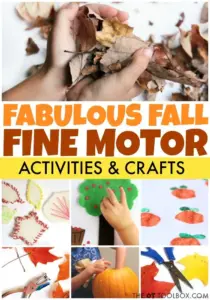









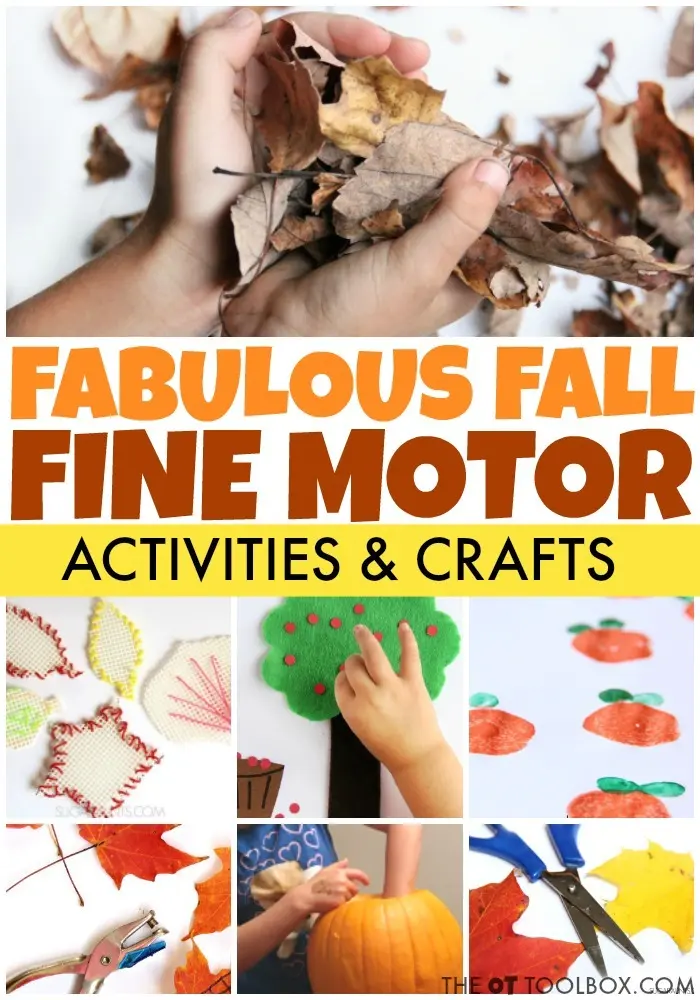
As the crisp autumn air settles in and changing leaves paint the landscape in vibrant shades of red and gold, pediatric occupational therapists, educators, and parents are turning to seasonal themes to support children’s developmental milestones. Rather than selecting autumn-inspired activities merely for their festive appeal, professionals are intentionally utilizing materials such as apples, leaves, pumpkins, acorns, and farm-related motifs to target specific fine motor, visual-motor, and sensory needs in children.
This seasonal approach provides a natural bridge between engaging play and essential therapeutic interventions. Experts note that fall materials—from tactile autumn leaves and textured gourds to everyday items like rubber bands and paper clips—offer unique opportunities to strengthen small hand muscles, improve finger dexterity, refine scissor skills, and enhance visual-motor integration.
Targeted Hand Strength Activities
Building foundational hand strength is a critical component of pediatric occupational therapy, laying the groundwork for functional tasks like handwriting, buttoning clothing, and opening containers. To address weaknesses in the intrinsic muscles of the hands, therapists are integrating structured, thematic exercises into daily routines.
One popular intervention involves apple-themed geoboards, where children stretch rubber bands across pegs to recreate specific fruit shapes. The physical act of pulling and positioning the bands provides necessary resistance for fingers and hands while demanding precision and controlled release. Therapists can easily modify the challenge by adjusting the thickness of the bands or simplifying visual patterns for children who find the spatial demands too complex.
Similarly, play dough remains a staple in developmental settings due to its resistive nature. Rolling, squeezing, pinching, and pressing soft dough provides both proprioceptive sensory feedback and targeted exercise for the small muscles of the hand. By hiding miniature autumn leaves, seasonal erasers, or colored beads within the dough, or by utilizing themed printable cards, practitioners can transform routine strengthening exercises into engaging play that encourages pincer grasps, tripod positioning, and arch development.
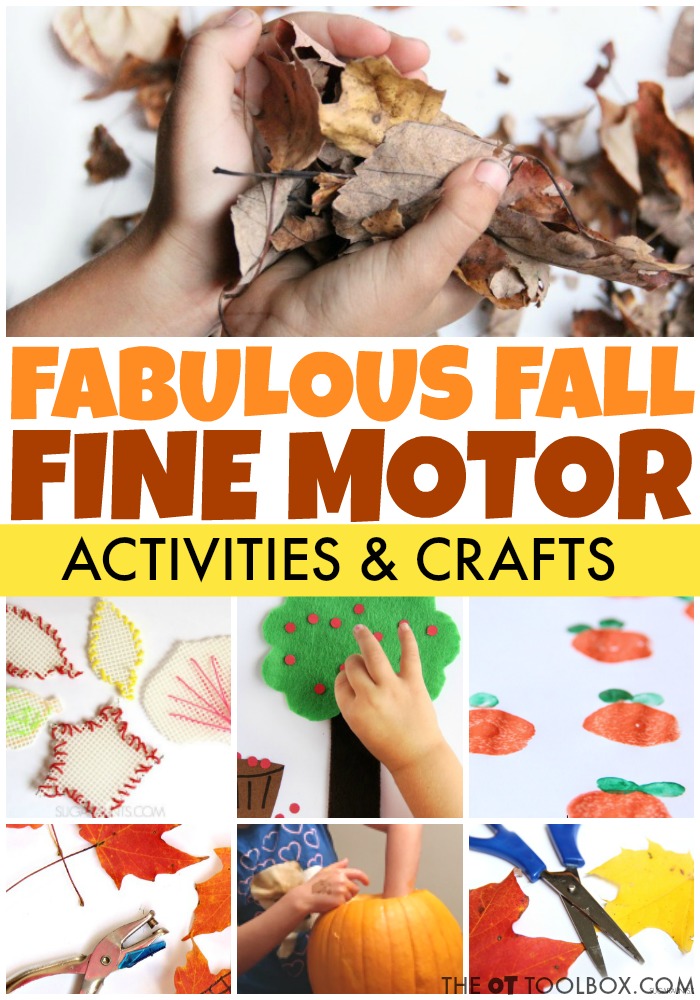
Hole-punching activities also offer an effective method for building sustained hand force. By having children punch holes around the perimeter of printed apple shapes or genuine autumn leaves, therapists can observe and encourage gross grasp development while simultaneously integrating visual-motor coordination.
Fostering Manual Dexterity and Precision
Manual dexterity requires the coordinated, efficient use of the fingers to perform small, precise movements. When children struggle with speed, precision, or finger isolation, everyday tasks can become frustrating. Seasonal manipulatives—including craft pom-poms, seeds, paper clips, and small craft supplies—are frequently deployed to bridge the gap between simple play and refined motor control.
Fall tree geoboards, for instance, require children to manipulate rubber bands around individual pegs, encouraging them to use their fingertips rather than their whole hands to grasp, stretch, and release materials. Meanwhile, apple paper-clip counting activities combine fine motor precision with early math concepts. Attaching laminated counting cards with paper clips requires bilateral hand coordination, with one hand stabilizing the material while the other executes precise fingertip movements.
To further refine dexterity, therapists often utilize fall-colored pom-poms paired with tongs or tweezers, encouraging children to transfer items between containers. The size of the manipulatives and the type of tool used can be easily graded to match the developmental level of the individual child.
Advancing Scissor Skills and Bilateral Integration
Scissor proficiency demands sophisticated bilateral coordination, with each hand performing distinct yet complementary roles. While the dominant hand opens and closes the scissors, the non-dominant helper hand must stabilize, rotate, and guide the paper along a visual path.
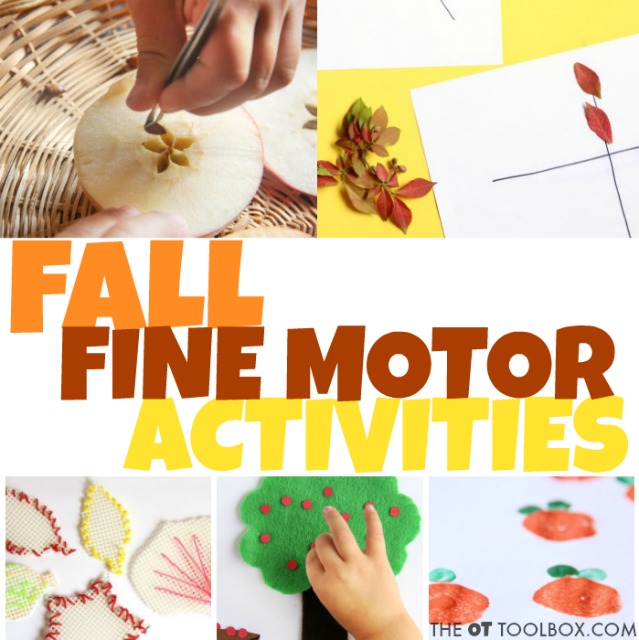
Apple cutting practice pages and autumn leaf-snipping exercises offer structured ways to assess and build these competencies. Children working with real or paper leaves practice line awareness and cutting control, whether they are snipping leaves into fine pieces or cutting along designated paths.
Beyond simple cutting, autumn-themed cut-and-paste crafts introduce higher-level executive functioning demands. Children must not only cut out individual components but also visually determine where pieces belong, orient them correctly, follow an assembly sequence, and apply glue. This multi-step process reinforces visual-spatial skills, direction-following, and bilateral coordination simultaneously.
Integrating Visual-Motor and Handwriting Skills
Adequate hand strength and dexterity alone are not always sufficient for academic success; children must also coordinate what they see with how their hands move. Visual-motor integration plays a central role when students copy designs, follow lines, locate visual targets, or form letters.
Fall-themed directed drawing exercises—focusing on acorns, leaves, and pumpkins—require children to analyze a visual model, determine spatial relationships, and reproduce lines with a pencil or crayon. Pattern block designs and seasonal "I Spy" seek-and-find pages further support visual scanning, figure-ground perception, and sustained visual attention. Therapists often enhance these visual tasks by incorporating physical writing prompts, allowing emerging and developing writers to practice line awareness, spacing, letter formation, and writing endurance within meaningful seasonal contexts.
As professionals prepare for autumn therapy sessions and classroom instruction, structured resources such as comprehensive membership toolkits provide ready-to-use materials designed to target these diverse developmental areas. By leaning into the rich sensory experiences and natural materials of the autumn season, educators and therapists continue to find innovative ways to support essential motor skills in growing children.