








A team of researchers at the University of Birmingham has unveiled a significant breakthrough in neurobiology, identifying a specific receptor that serves as a primary driver of harmful brain inflammation. This discovery, published in the journal Brain, suggests that by targeting the P2X7 receptor, scientists may be able to utilize existing pharmacological interventions to mitigate neuroinflammation, potentially offering new hope for a range of debilitating neurological and psychiatric conditions.
Led by Professor Nicholas Barnes, the research team focused on the P2X7 receptor, which is heavily involved in the brain’s inflammatory signaling pathways. By successfully blocking this receptor in both laboratory-grown human brain cell cultures and human brain tissue collected during neurosurgical procedures, the researchers observed a marked reduction in inflammatory responses. The findings represent a pivotal step forward in the quest to develop treatments for conditions where neuroinflammation is a known, yet difficult to manage, component of disease progression.
Blocking a Key Driver of Brain Inflammation
Neuroinflammation is a complex immune response within the central nervous system that, while initially protective, can become chronic and destructive in various disease states. It is a common thread running through an array of severe health issues, including Alzheimer’s disease, Parkinson’s disease, traumatic brain injury (TBI), depression, and psychosis. For years, the medical community has sought ways to modulate this response without compromising the brain’s ability to defend itself against genuine threats.
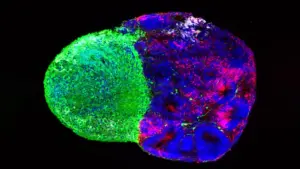
The University of Birmingham study centered on the mechanism by which the P2X7 receptor triggers inflammatory signaling. Through rigorous investigation, the team determined that P2X7 receptors actively promote the release of cytokines—small proteins that act as critical messengers in the inflammatory process. When these receptors are hyperactive or improperly regulated, they can lead to a cascade of inflammation that causes collateral damage to healthy neural tissue.
By applying a specific antagonist to block the P2X7 receptor, the researchers witnessed a significant drop in the inflammatory response within human brain tissue samples. Professor Nicholas Barnes, who serves as the corresponding author of the paper and is based at the University of Birmingham’s College of Medicine and Health, emphasized the significance of these findings. "This exciting discovery marks a major step toward repurposing existing therapeutics to combat neuroinflammation at its source," Barnes noted. He added that the identification of this receptor’s role could have far-reaching implications for some of the most debilitating and widespread brain disorders, potentially providing a new therapeutic avenue for diseases that currently lack effective, disease-modifying treatments.
Studying the Brain’s Immune Cells
Central to the success of this research was the innovative study of microglia—the resident immune cells of the brain. Microglia are essential for maintaining brain health; they constantly survey the environment, clear away cellular debris, and respond to injury or infection. However, when the brain is subjected to chronic stress or neurodegenerative disease, microglia can become over-activated, contributing to the very inflammation that researchers are attempting to quell.
Historically, studying human microglia has presented a formidable challenge for neuroscientists. Once removed from the unique, supportive environment of the human brain, these cells tend to rapidly lose their specialized characteristics, making it difficult to replicate authentic human responses in a laboratory setting. To circumvent this, Professor Barnes and his team developed a sophisticated method for converting peripheral blood monocytes into microglia-like cells.
This conversion process is particularly significant because it mirrors a cellular transformation that has recently been identified as occurring naturally within the human brain as part of the aging process. By starting with human peripheral monocytes collected from standard blood samples, the researchers were able to generate a consistent, high-quality supply of cells that behave like native microglia. This provided a powerful, scalable, and virtually unlimited platform for investigating human microglial biology with unprecedented precision.
"Studying human microglia has long been a major challenge: once removed from their native brain environment, they rapidly lose their defining characteristics, likely due to the absence of critical regulatory signals," Professor Barnes explained. "Our approach involved the use of monocyte-derived microglia which provide a powerful, scalable, and virtually unlimited platform for studying human microglial biology with unprecedented precision."
By using these model cells, the researchers were able to observe how microglia react to inflammatory signals and, more importantly, how the P2X7 receptor antagonist could interfere with the toxic signals released by microglia as they become damaged or die. This allowed the team to pinpoint the exact mechanism of the inflammatory signaling, confirming that the receptor is a viable target for therapeutic intervention.
From Lab Models to Human Brain Tissue
The transition from laboratory-grown cell cultures to human brain tissue is a critical hurdle in medical research. Many potential therapies that show promise in cell models fail to translate into human clinical success due to the vast complexity of the living brain. Recognizing this, the Birmingham team moved their investigation beyond the monocyte-derived microglia to test their findings in actual human brain tissue obtained during neurosurgical procedures.
The results were consistent and encouraging. The P2X7 receptor antagonist successfully demonstrated a significant reduction in inflammation within these complex human tissue slices, confirming that the inflammatory pathways identified in the lab-grown models were indeed active and targetable in real human tissue. This successful translation of results from cell models to human tissue is a major milestone, providing a robust evidentiary basis for moving the research into the next phase.
The potential for this discovery is extensive, particularly for patients suffering from conditions where neuroinflammation is a major, yet currently unaddressed, factor. For example, in the case of traumatic brain injury, the immediate physical damage is often followed by a secondary wave of inflammation that can exacerbate long-term cognitive and functional impairment. If a pharmaceutical intervention could be administered shortly after an injury to block the P2X7-mediated inflammatory response, it could theoretically limit the extent of secondary brain damage.
Similarly, in neurodegenerative conditions like Alzheimer’s and Parkinson’s, where chronic inflammation is thought to drive the progressive loss of neurons, the ability to "turn down the volume" on the immune response could slow disease progression. While these diseases are currently managed through various symptomatic treatments, none effectively halt the underlying inflammatory processes that characterize the brain’s decline.
Professor Barnes and his team are now looking toward the future, with the development of clinical trials as the next logical step. The fact that the target identified in this study—the P2X7 receptor—can already be blocked with existing drugs is a massive advantage for translational research. It means that the path to testing these interventions in humans may be significantly shorter than if researchers had to develop a brand-new molecule from scratch, which often takes years of safety testing and refinement.
"Having identified the response in the human monocyte-derived microglia, this provided the impetus to translate these findings with human brain obtained following neurosurgical procedures," Barnes stated. "This successful translation means the next stage for this research is the development of clinical trials in patients with neurodegenerative conditions and patients with TBI where there are no effective pharmacological treatments to reduce the neuroinflammation and arising damage."
As the scientific community continues to scrutinize the role of the immune system in brain health, this research offers a compelling new lead. By bridging the gap between basic cellular biology and clinical application, the University of Birmingham team has opened a window of opportunity for patients who have historically had few options to manage the inflammation that drives their conditions. While the road to clinical trials involves rigorous regulatory review and further safety assessment, the identification of the P2X7 receptor as a key driver of brain inflammation provides a concrete, actionable target that could redefine the treatment landscape for a wide variety of neurological and psychiatric disorders.