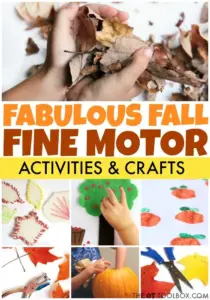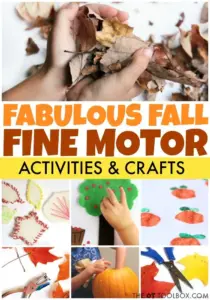








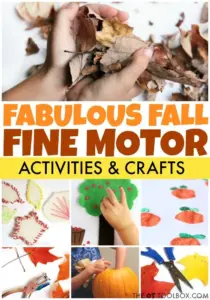
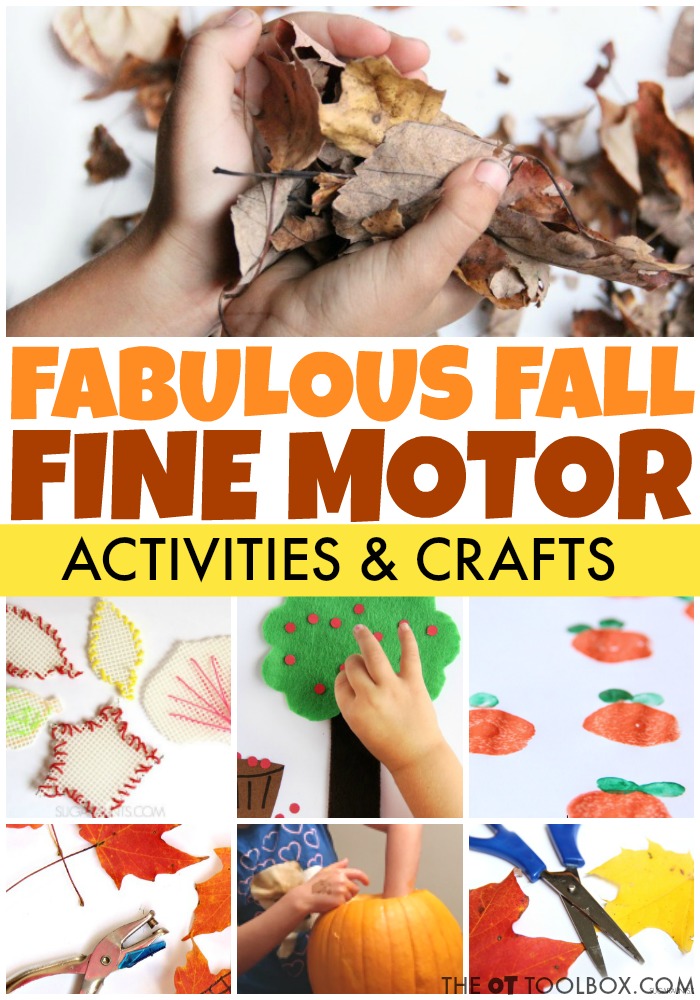
As the autumn season brings crisp air, falling leaves, and familiar seasonal motifs, educators, occupational therapists, and parents are increasingly leveraging fall-themed materials to support crucial child development. Rather than choosing seasonal projects merely for festive entertainment, professionals are utilizing apples, pumpkins, leaves, acorns, and farm themes to systematically target specific fine motor milestones, including hand strength, finger dexterity, scissor proficiency, visual-motor integration, and handwriting development.
The integration of seasonal play into therapeutic and educational settings offers a practical approach to childhood development. Experts note that many traditional autumn activities naturally engage multiple muscle groups and cognitive pathways simultaneously. By understanding how to adapt these exercises, specialists can address diverse developmental needs within a single classroom or therapy session, accommodating toddlers, preschoolers, and older elementary students alike.
Targeting Hand Strength Through Seasonal Play
Hand strength forms the foundation for many daily functional tasks, ranging from writing and cutting to managing clothing fasteners and opening containers. Seasonal items provide tactile engagement that encourages children to exert controlled resistance without perceiving the task as strenuous work.
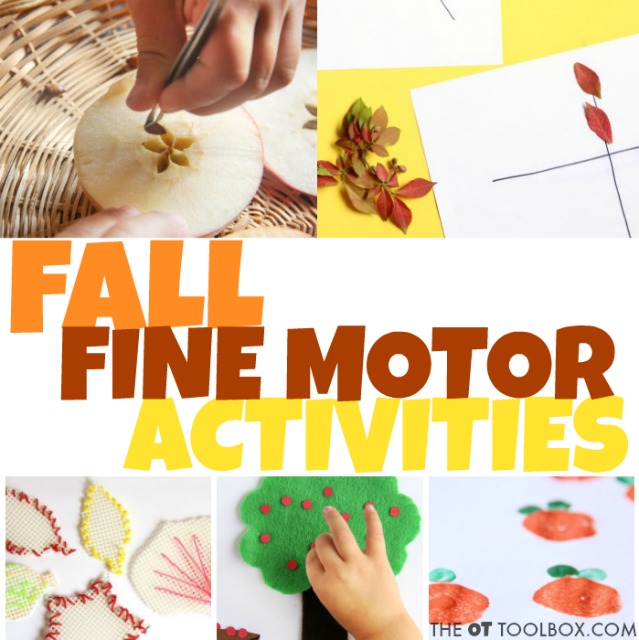
Apple geoboards represent one approach utilized in occupational therapy frameworks. By stretching heavy-duty rubber bands across the pegs of a geoboard to recreate apple designs, children encounter resistance that builds finger and hand strength. The activity simultaneously demands bilateral coordination, as one hand must stabilize the board while the other stretches and positions the band, alongside visual-motor planning and controlled release mechanics. Therapists can easily adjust the difficulty by swapping in thicker, more resistant bands or simplifying the visual patterns for younger participants.
Play dough activities offer another versatile medium for developing hand and finger strength. Rolling, squeezing, pinching, and pressing autumn-colored dough provides proprioceptive sensory feedback while exercising the intrinsic muscles of the hand. Therapists frequently incorporate items such as miniature leaves, plastic acorns, or autumn-themed beads into the dough, requiring children to dig and pinch to retrieve them. This hidden-object approach naturally encourages pincer grasps, tripod positioning, and arch development.
Hole-punching exercises utilizing apple or leaf-shaped templates provide yet another method for building gross and fine motor strength. Operating a handheld hole punch requires sustained hand force and bilateral hand coordination. When children position the punch along the complex contours of a printed leaf or apple edge, the exercise incorporates a visual-motor component that reinforces hand-eye coordination.
Refining Manual Dexterity and Precision
Manual dexterity involves the efficient coordination of small, precise finger movements. While strength provides the power behind hand tasks, dexterity governs speed, precision, and controlled manipulation. Autumn offers an abundance of small manipulatives—such as craft pom-poms, seeds, mini erasers, paper clips, and small craft materials—that naturally invite fine finger coordination.
Geoboards featuring tree designs challenge children to manipulate rubber bands around individual pegs, requiring fingertip precision rather than whole-hand grasping. By encouraging children to use their fingertips to grasp, stretch, and reposition the bands, therapists help foster the foundational finger isolation needed for advanced pencil grasps.
Paper clip activities, such as attaching numbered clips to apple-themed counting cards, combine fine motor precision with early math concepts. Opening and positioning standard paper clips demands isolated finger movements and coordinated bilateral hand use. Similarly, transferring fall-colored pom-poms into ice cube trays or muffin tins using tongs or tweezers targets grasp precision. Therapists can grade these activities up or down by altering the size of the pom-poms or changing the resistance of the tools.
Enhancing Scissor Skills and Bilateral Coordination
Scissor proficiency requires two hands to perform completely different actions simultaneously. While the dominant hand opens and closes the scissors along a designated visual path, the non-dominant supporting hand must stabilize, rotate, and guide the paper.
Fall-themed cutting practice pages provide structured lines for children to follow, allowing therapists to observe and assess cutting mechanics, paper rotation skills, and hand positioning. Beyond paper templates, real autumn leaves offer a sensory-rich medium for scissor practice. Allowing children to snip real leaves into small pieces or cut around natural edges promotes line awareness and provides immediate tactile and auditory feedback.
Cut-and-paste crafts introduce an additional layer of executive function and visual-spatial demand. Beyond the physical act of cutting, children must visually interpret where individual pieces belong, orient them correctly, follow an assembly sequence, and apply glue. These projects successfully integrate scissor skills with bilateral coordination, spatial awareness, and direction-following.
Bridging Visual-Motor Integration and Handwriting
A child may possess adequate hand strength and finger dexterity yet still struggle when a task requires them to copy a design, follow a line, or coordinate visual input with hand movement. Autumn-themed visual-motor activities help bridge this gap.
Directed drawing exercises centered on pumpkins, acorns, and leaves require children to observe a visual model, plan pencil movements, determine where lines begin and end, and reproduce spatial relationships. Pattern block designs combine this visual discrimination with tactile manipulation, requiring children to select appropriate geometric pieces, determine their correct orientation, and position them to match a template.
Visual scanning and attention are addressed through seasonal "I Spy" and seek-and-find worksheets. By incorporating fine motor elements—such as having the child circle found items, cover them with small manipulatives, or clip them with clothespins—these visual tasks double as fine motor exercises. Therapists often utilize cutout viewing frames to limit the visual field and support children who experience visual clutter.
Writing prompts integrated with seasonal themes provide a meaningful context for handwriting practice. Rather than drilling isolated letter formations, educators can use fall writing prompts to target specific components such as line awareness, spacing, letter size, and writing endurance. A single set of prompts can be adapted across a mixed-ability group, allowing emerging writers to produce a single seasonal word, beginning writers to compose a sentence, and older students to develop paragraphs.
As educators and therapists continue to plan seasonal sessions, the emphasis remains on purposeful play. By selecting activities that target specific developmental deficits through the engaging lens of autumn, professionals can support children in building the foundational motor skills necessary for academic and daily living success.