



By Michelle Diament
October 16, 2026
For many children diagnosed with autism spectrum disorder, traditional clinical environments—often characterized by sterile rooms, structured tasks, and intense, one-on-one therapy—can be overwhelming or difficult to navigate. However, a new study published this month in the journal Pediatrics suggests that a different, more dynamic approach may offer significant relief. According to researchers, simply spending time around horses, or actively participating in therapeutic horseback riding, can yield meaningful behavioral and emotional benefits for children living with autism and co-occurring psychiatric conditions.
The study, which examined a cohort of 236 children between the ages of 6 and 16, provides empirical evidence for what many parents and equine therapists have long observed: the bond between a child and a horse creates a unique therapeutic space that can foster emotional regulation, improve social engagement, and reduce common symptoms such as irritability and hyperactivity.

Understanding the Study’s Methodology
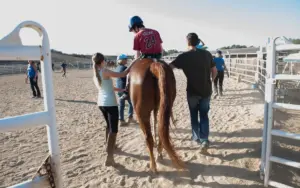
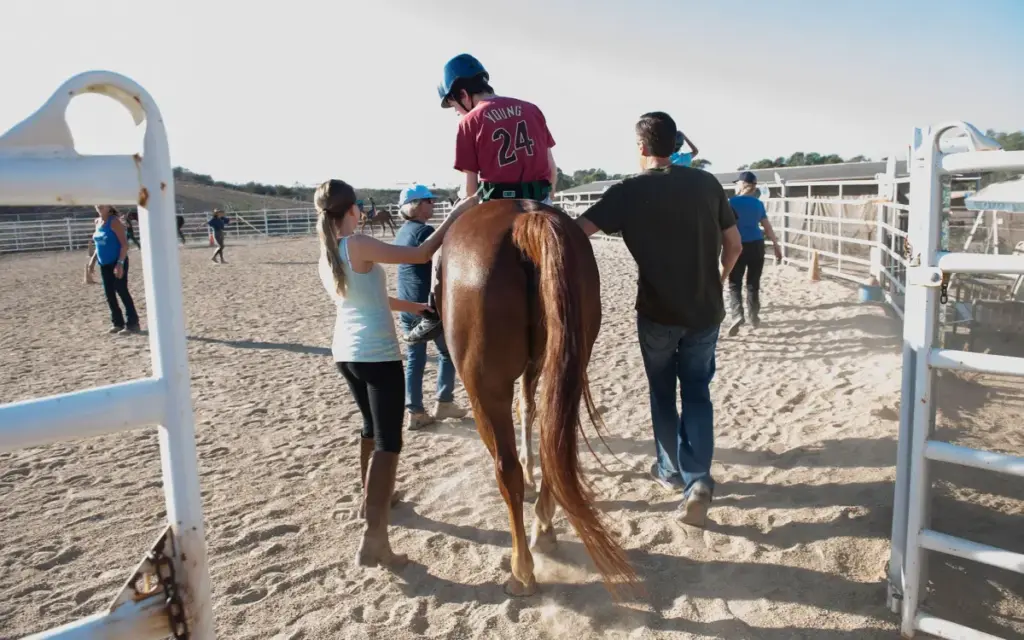
To arrive at these findings, researchers designed a rigorous trial that compared different levels of equine-assisted activity. The participants were divided into distinct groups to isolate the specific effects of riding versus passive interaction. Some children were assigned to a therapeutic horseback riding program, which involved direct contact and guided instruction on horseback once a week for a period of 10 weeks.
In contrast, other children were placed in a "barn activity" group. These participants were given the opportunity to visit the facility and observe the horses in their environment, but they were not permitted to interact directly with the animals or ride them. A third group acted as a control, undergoing a waiting period before participating in five weeks of barn-based activities, followed by five weeks of active riding lessons. This structure allowed the research team to compare the physiological and psychological responses of the children across varying degrees of engagement with the animals.
The results, according to the researchers, were telling. Across the board, children involved in both the riding programs and the barn activity groups showed significant, measurable decreases in irritability and hyperactivity. Furthermore, the data indicated that these activities contributed to improvements in emotional regulation and social behaviors—two areas that are frequently identified as significant challenges for children on the autism spectrum.
The Unique Impact of Horseback Riding
While all forms of engagement with the horses proved beneficial compared to the baseline, the study revealed a notable nuance: the most profound impact on hyperactivity was observed specifically among the children in the therapeutic riding group. This suggests that the physical act of riding, which requires a specific set of sensory and motor skills, provides a distinct therapeutic advantage over passive observation.
Robin Gabriels, a professor of psychiatry at the University of Colorado and the lead researcher of the study, noted that there is a specific mechanism at play when a child is on horseback. "There is something about riding a horse that is particularly helpful for kids with hyperactivity," Gabriels explained.
The experience of riding a horse is inherently multifaceted. It requires the child to coordinate their movements with the horse’s gait, maintain balance, and follow verbal instructions in an outdoor, sensory-rich environment. For a child with autism who may struggle with sensory processing or executive function, the horse acts as a living, breathing partner that provides immediate, non-judgmental feedback. If the child is calm and focused, the horse responds in kind; if the child is agitated, the horse’s behavior may shift accordingly, teaching the child to regulate their own emotions to maintain a positive connection with the animal.
Supplementing Traditional Care
While the findings are promising, the researchers are careful to frame equine therapy as a supplemental tool rather than a universal panacea. They emphasize that horseback riding is not necessarily the right fit for every child with autism. Factors such as sensory sensitivities to animals, fear, or physical limitations must always be considered when designing a therapeutic plan.
However, as a complement to existing treatments like speech therapy, occupational therapy, or behavioral counseling, equine-assisted interventions offer a pathway for development that is often inaccessible in a clinical office. The barn environment serves as a natural setting for social engagement. It encourages children to communicate with instructors and volunteers, follow social cues in a group setting, and experience the satisfaction of caring for another living creature.
"Working with horses gives these kids a chance to do something active, social and engaging," Gabriels said. "For some children, that may be a particularly effective way to help them develop skills that can be difficult to teach in a traditional clinical environment."
Implications for Future Therapy
The significance of this study lies in its validation of alternative therapeutic models. By providing a clear, evidence-based link between equine interaction and behavioral improvement, the researchers have opened the door for more families and clinicians to consider therapeutic riding as a viable component of a comprehensive treatment plan.
The study underscores a growing trend in the field of developmental disabilities: the recognition that therapy does not have to be confined to a desk or a clinic. By moving outside and engaging with the natural world—and with animals in particular—children with autism may find new ways to unlock their potential, manage their symptoms, and navigate the world with greater ease.
As the scientific community continues to explore the intersections of animal-assisted therapy and neurodevelopmental conditions, the focus remains on finding diverse, effective methods to support children in their growth. The success of this 10-week program highlights that sometimes, the most effective therapeutic interventions are those that provide children with a sense of purpose, a connection to nature, and the joy of a partnership with an animal.
For families navigating the complex landscape of autism support, these findings offer a message of hope and an invitation to explore the potential benefits of equine-assisted therapy. As programs continue to evolve and become more accessible, the hope is that more children will have the opportunity to experience the transformative power of the stable and the saddle.