




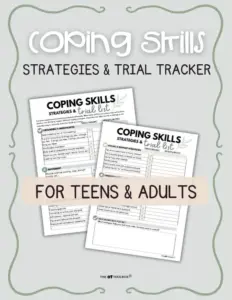



Navigating anxiety often feels like an unpredictable trial-and-error process, with individuals cycling through a long list of suggested techniques only to find that what works on one occasion falls flat the next. To address this widespread challenge in clinical, educational, and home environments, the team behind The OT Toolbox has released a new, structured resource designed to help individuals systematically trial, track, and evaluate coping strategies for anxiety.
The initiative follows the development of the Daily Cup Reset Project, a social media-based outreach effort focused on nervous system regulation and self-regulation across platforms like Facebook, Instagram, and TikTok. Recognizing that anxiety presents uniquely across different populations, creators developed a specialized printable tracking tool to help professionals, educators, and individuals move away from random guesswork and toward an evidence-based, personalized approach to emotional well-being.
Anxiety can manifest in profoundly diverse ways from person to person. While some individuals experience cognitive symptoms such as racing thoughts, difficulty concentrating, and persistent worry, others grapple with physiological indicators like muscle tension, headaches, gastrointestinal discomfort, physical restlessness, or profound fatigue. Furthermore, anxiety frequently disrupts broader areas of daily functioning, including sleep hygiene, social participation, work performance, and executive functioning skills. Because these symptoms vary so widely, mental health professionals, occupational therapists, and educators emphasize that a blanket approach to anxiety management is rarely effective.

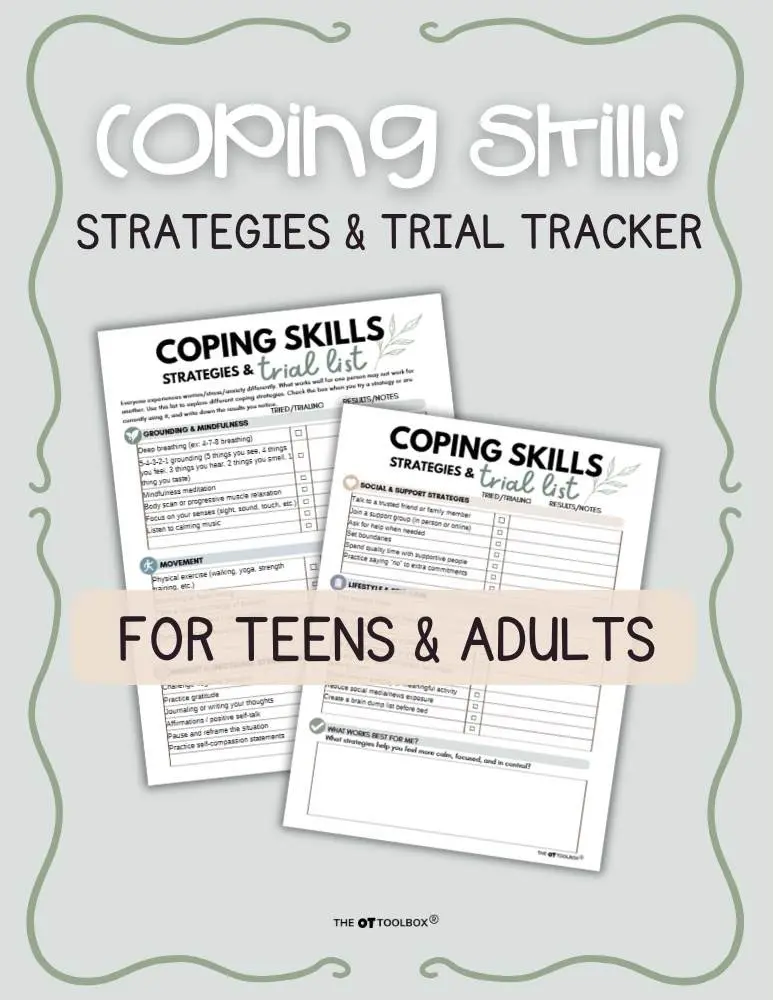
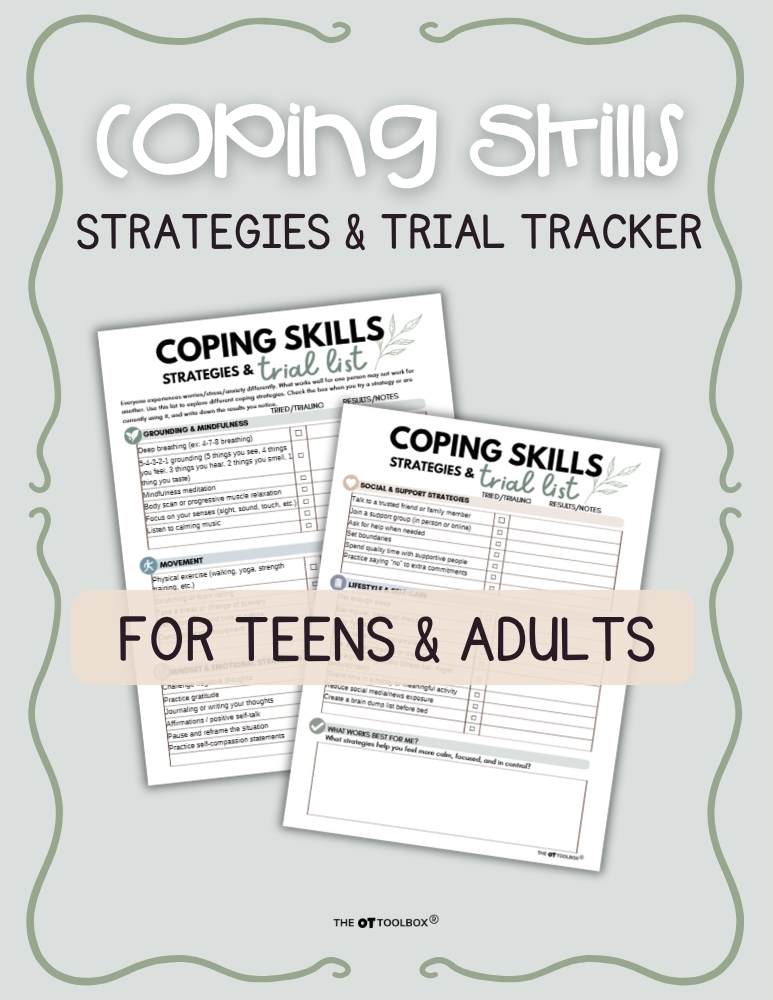
The newly released coping skills trial tracker is designed to bridge this gap by providing a structured framework for intentional exploration. Rather than simply reading through a list of ideas and hoping something sticks, users can utilize the worksheet to document specific techniques they have tried, monitor recurring patterns over time, and curate a functional, personalized coping toolbox. This resource serves as a practical asset for occupational therapists, counselors, and educators, as well as adults engaging in independent self-reflection and emotional regulation work.
To understand why structured tracking matters, experts point to the fundamental role that coping skills play in daily life. Effective coping mechanisms are not designed to eliminate anxiety entirely—an unrealistic expectation that can often heighten stress. Instead, these actions, routines, and strategies are meant to lower the intensity of physiological and emotional symptoms, thereby improving an individual’s ability to participate in meaningful daily activities. By building acute awareness of what actually helps the body and mind function at their best, users can better navigate moments of high stress.
The framework emphasizes several distinct categories of regulation strategies, beginning with grounding and mindfulness. Grounding techniques are particularly valuable because anxiety frequently pulls an individual’s thoughts into future-oriented worries or repetitive thinking loops. By interrupting this cycle, grounding brings attention firmly back to the present moment. Deep breathing exercises are widely utilized to regulate the autonomic nervous system and alleviate physical stress responses, while sensory-based approaches like the well-known 5-4-3-2-1 technique redirect attention toward immediate environmental stimuli by engaging multiple senses. Similarly, mindfulness activities encourage non-judgmental awareness, helping individuals notice rising emotions and physical signals before they escalate into overwhelming distress.
Physical movement and well-being represent another critical pillar of emotional regulation. Physical activity naturally increases endorphins and helps release the muscle tension commonly associated with anxiety. Importantly, movement does not necessarily require high-intensity exercise; simple routines such as walking, stretching, gentle yoga, or even changing physical environments can provide substantial nervous system support. Heavy work activities are frequently incorporated into sensory lifestyles and sensory diets because they deliver proprioceptive input, which naturally promotes a sense of physical grounding and body awareness.
Cognitive and emotional regulation strategies focus heavily on thinking patterns and mindset. Anxiety often distorts cognitive processes, leading to catastrophizing, negative self-talk, and an impaired ability to shift attention. Therapeutic tools such as journaling allow individuals to externalize their worries, significantly reducing the mental effort required to process multiple stressful thoughts simultaneously. Positive self-talk counters automatic negative thinking patterns, while cognitive reframing encourages individuals to examine their thoughts objectively. These practices support the broader development of emotional regulation and a growth mindset.
Human beings are inherently relational, meaning social support plays a vital role in nervous system regulation. Supportive connections can drastically reduce emotional load and foster a deep sense of safety. While many adults feel an internal pressure to manage stress entirely on their own, professional guidance consistently underscores that social engagement remains one of the strongest protective factors for long-term emotional health.
Foundational lifestyle habits also exert a profound influence on anxiety symptoms over time. Daily routines surrounding sleep hygiene, proper hydration, balanced nutrition, and consistent daily schedules directly impact how the nervous system responds to stressors. Although these foundational habits may appear deceptively simple, maintaining them often yields the most sustainable improvements in daily functioning and stress resilience.
A central hurdle in managing anxiety is the common tendency to abandon a coping strategy after trying it just once. Experts note that while certain tools offer immediate relief—often shifting emotional states within minutes—other strategies require repeated, consistent practice before their benefits become noticeable. For longer-term strategies, specialists recommend trialing a technique consistently for one to two weeks before determining whether it provides meaningful support. Using a strategy once during a moment of peak panic may feel ineffective simply due to the intensity of the moment, even though the tool could prove highly beneficial through routine practice.
To maximize the utility of the new printable resource, the tracking framework encourages users to observe subtle shifts in both emotional state and functional capacity during the trial period. Rather than recording vague qualitative feedback, users are prompted to document specific physiological and mental changes, such as noticing a reduction in shoulder tension, experiencing improved focus despite ongoing worry, falling asleep more quickly, or discovering that a strategy works best when paired with physical movement like walking.
Over time, these detailed observations allow patterns to emerge, helping individuals tailor their coping toolboxes to their specific neurological and physiological profiles. Whether utilized within clinical therapy sessions, school counseling offices, or independently at home, the resource aims to transform abstract lists of coping ideas into concrete, actionable tools that enhance daily participation and emotional well-being. The printable is currently available as part of a broader collection housed within the Coping Skills Toolbox developed by Colleen Beck, an occupational therapist with decades of experience across diverse pediatric and adult care settings.